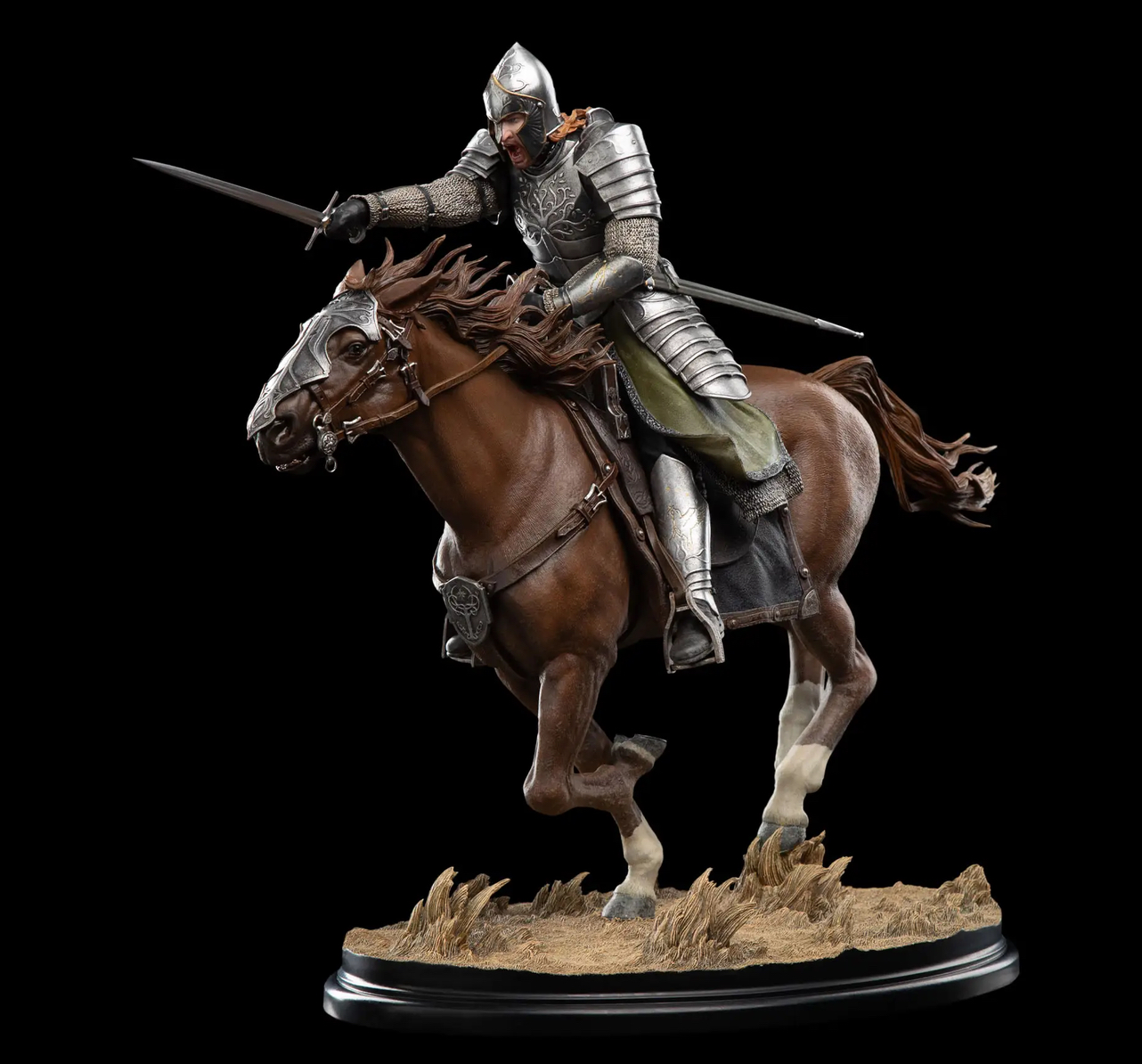
Forth Eorlingas! One of Rohan’s greatest heroes is getting ready to ride onto collectors’ shelves!
First shown at San Diego Comic-Con 2026, the King Théoden Classic Series statue from Wētā Workshop immediately caught our attention, and now we’re excited to give fans an even closer look.
Thanks to our friends at Wētā Workshop, TheOneRing.net was lucky enough to get a special sneak peek at King Théoden, giving collectors a chance to see what this fantastic new statue is going to look like when it begins arriving in collections around the world.
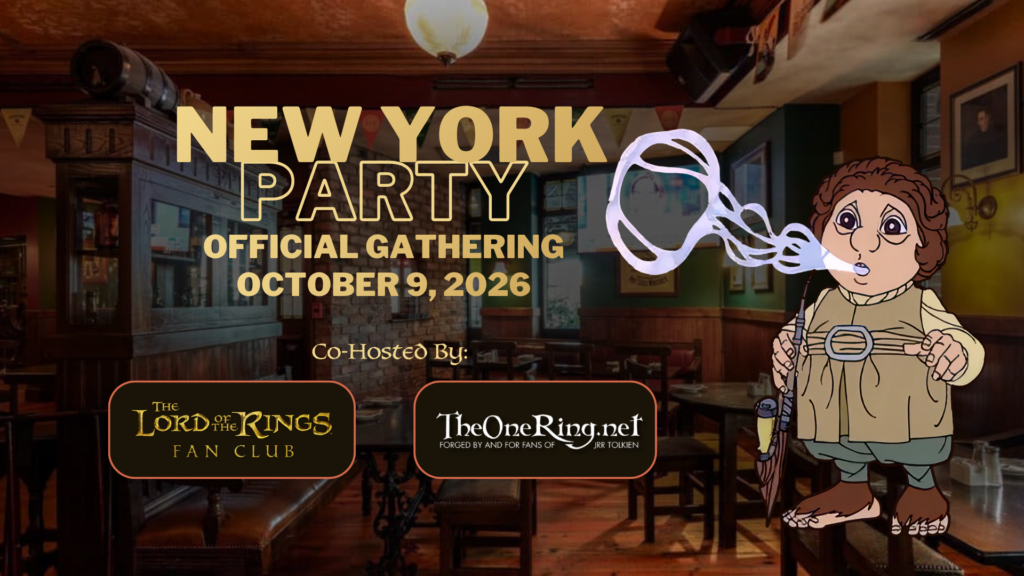
Join TheOneRing.net Friday, October 9th at 7:30pm as we return to NYC for our annual gathering of fans! [Tickets] This year, we’re delighted to be teaming up with our good friends at The Lord of the Rings Official Fan Club, LOTR.com, for a night of fellowship, food, prizes, and geekery! Details below.
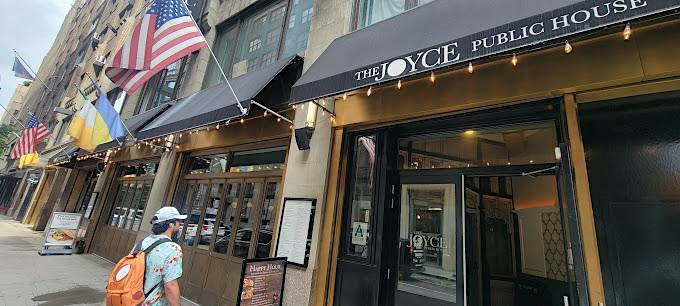
Once again, we’ll be at our favourite venue, the Joyce Public House in Times Square (W 39th St), for a party of special magnificence! Join us FRIDAY 9th October, 7.30-10.30pm. All welcome, no NYCC pass required to attend.
This year’s gathering has a particularly Hobbity focus. Come along for food, fun, and fellowship with your fellow fans. An appetite worthy of a Hobbit is encouraged. There will be dessert!
Tickets are $45, which includes your first drink, a buffet (including dessert), and two tickets for the raffle, drawn on the night. PLUS every party goer will take home a “goody baggins” filled with treasures from our friends. AND we’ll be shipping a special surprise directly to every attendee!
The Joyce Public House – New York City, NYC
To claim your special mathom, look out for the link in your confirmation email. Follow the link to Shopify and arrange for your gift to be mailed directly to you. While you’re there, have a browse through our temporary store. Perhaps a Tom Bombadil and Goldberry 2026 shirt will find its way into your order, too!
We’ll have more raffle tickets available to purchase at the party. We’re keeping extra raffle ticket sales for the night itself this year, so come ready to try your luck! Check out some of the generous folks providing prizes and goodies below.
Raffle prizes include items from…
Oscha
Shire Post Mint
Geek Orthodox
Kings Wild Project
Bottle Neck Gallery
And more…!
Our “goody baggins” will include items from…
Ares Games
Restoration Games
Kings Wild Project
Plus your special surprise shipped to your home… and more!
All this for $45. Now there’s a reason to raise a glass!
You never know who will turn up at one of our events. We hope to see YOU there! Numbers are limited, and we expect tickets to go fast. Grab yours now!
Wētā Workshop has another exciting Middle-earth collectible heading our way, as the new Faramir – Charge on Osgiliath statue is officially up for pre-order! Capturing Faramir during the desperate battle for Osgiliath in The Lord of the Rings: The Return of the King, this impressive piece is limited to an edition size of just 860 pieces worldwide. Collectors looking to add the Captain of Gondor to their displays will need to set aside $999 USD, with the statue currently expected to begin shipping in Q1 2027.
Recently we shared news of the newOfficial Lord of the Rings™ Fan Club – where ‘everyone is welcome, as long as they welcome everyone'! We are excited to join the club as one of their ‘Heralds’ – and we want to invite YOU to join us! May we entice you with a special mathom…?
Since TheOneRing.net started out – in the dim and distant past that was the late 20th century! – we’ve always sought to create a positive atmosphere. We aimed to have our little corner of the interwebs be a place where folks could meet, chat, support each other, and celebrate shared passions together. In recent years, however, you may have noticed toxicity creeping in to the online experience! If you weren’t around to share in the heady, early days of online fandom, now is your chance to experience another kinder, more generous-spirited place to interact online – a place after TORn’s own heart. That, at least, is the goal of the new Official LotR Fan Club – spearheaded by none other than one of our own founders, Calisuri. So of course TORn wanted to be part of it!
Being a ‘Herald’ means we have our own official page, with a ‘sub-community’ at the club. It will allow TORn to share news to a wider fanbase, through the club. Fear not – we are certainly not giving up our own places for fans to gather! (In fact, if you haven’t dropped by our message boards lately, you should definitely swing by: they are all shiny and new, thanks to the hard work of supremo First Age staffers Altaira and BG!) And you’ll still be able to find us on our discord; the Fan Club just gives us another way of letting fans know what we’re up to, and of sharing the love of this Fellowship.
We hope you’ll pop by and check out the Fan Club. There are fun ‘fireside chats’, bulletin boards, and daily puzzles to be solved! (Riddles in the dark, anyone…?) And for those of you who love to collect – there are many amazing ‘mathoms’ you can gather, to create a record of your own Fan Club journey. Use this referral link to head over to the Club and you’ll secure TORn’s very own, exclusive mathom! And look for more fun mathoms to collect during DragonCon, later this week!
Come on in – you are welcome any time, don’t bother knocking!
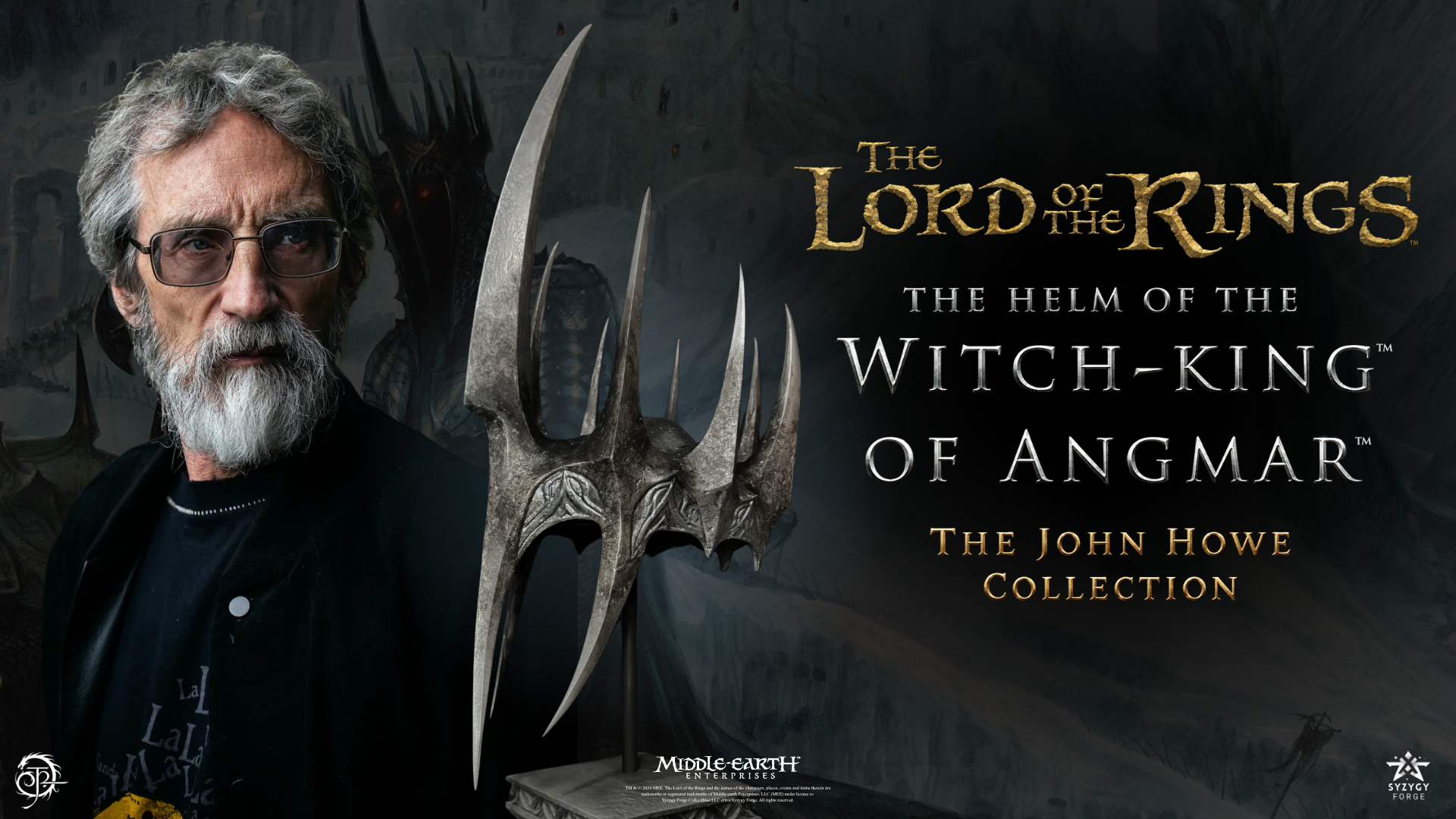
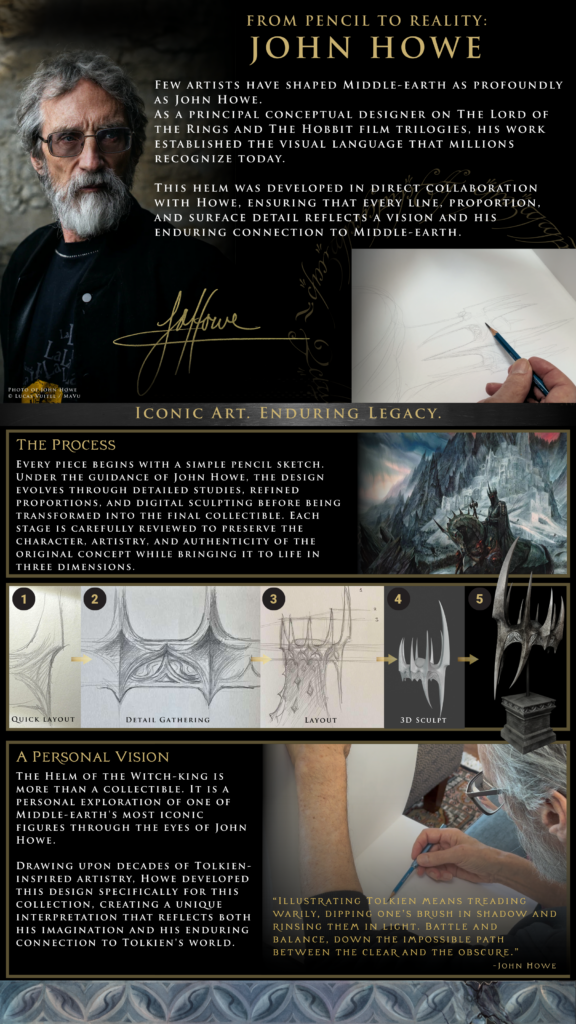
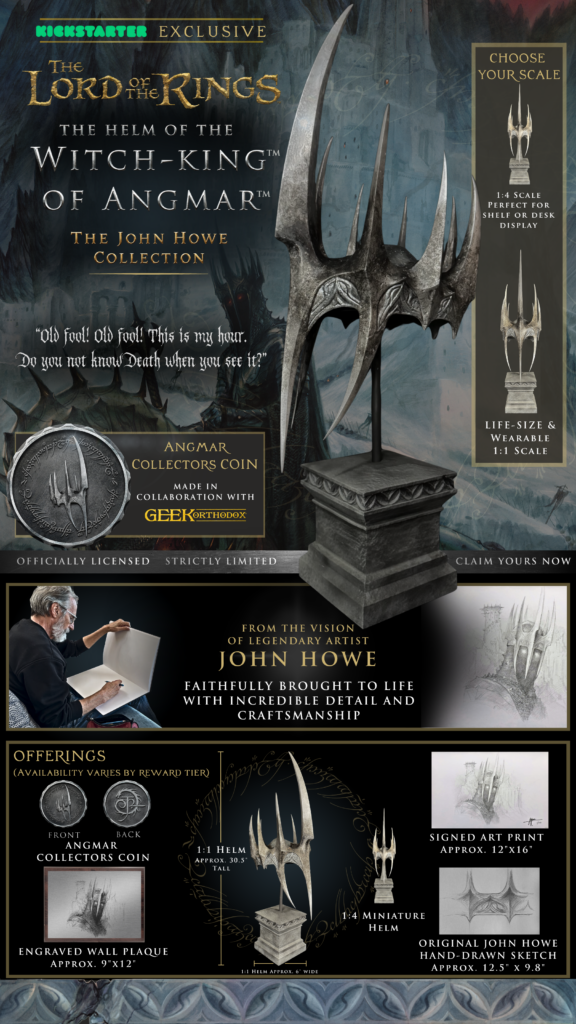
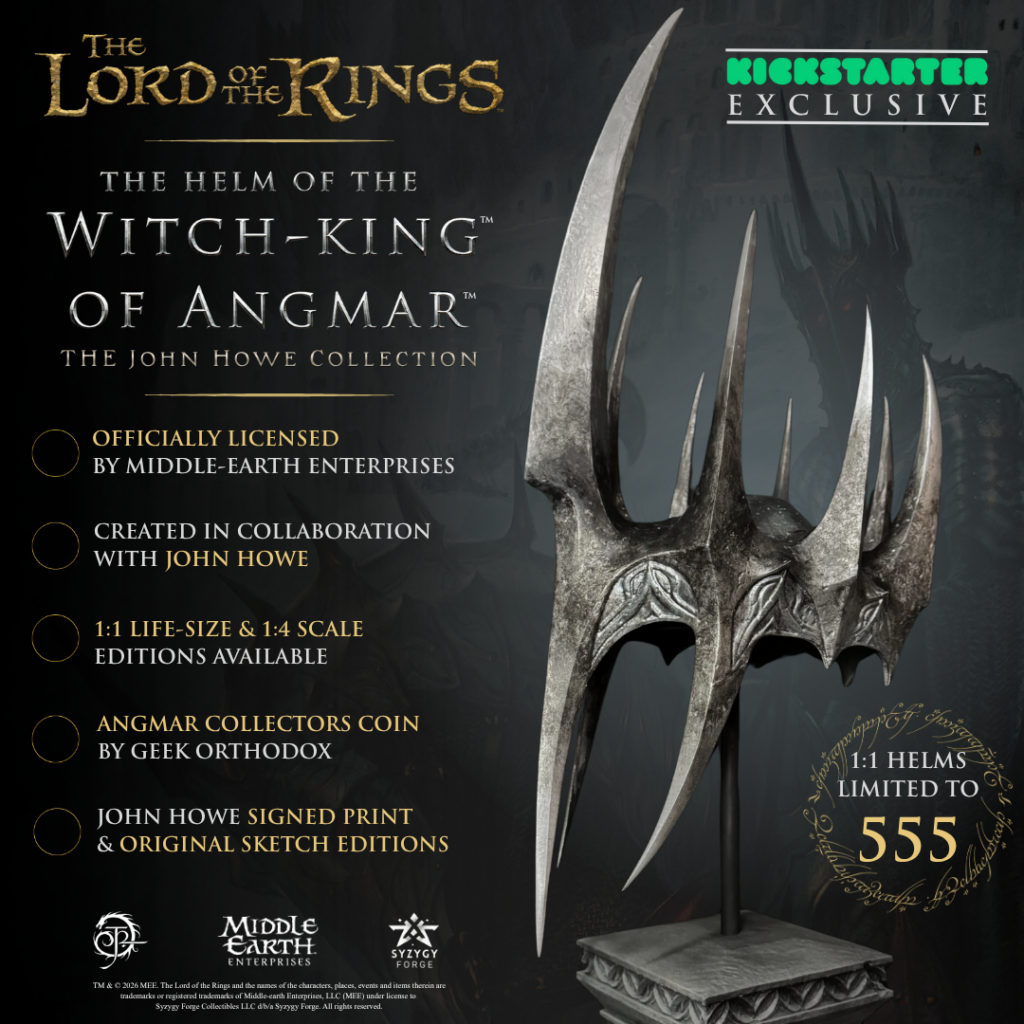
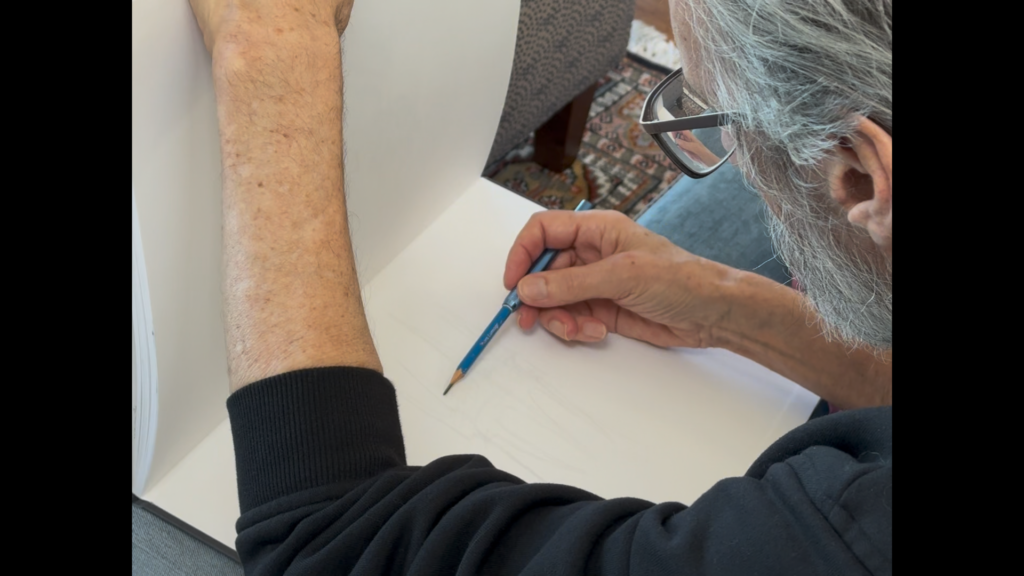
Middle-earth collectors have another exciting project to keep their eyes on! SYZYGY FORGE are creating The Helm of the Witch-king of Angmar, based on the legendary design created by Tolkien artist and conceptual designer John Howe. The helm is the latest release in Syzygy’s John Howe Collection, giving fans the opportunity to bring one of the most intimidating designs associated with the Lord of the Nazgûl into their collections.
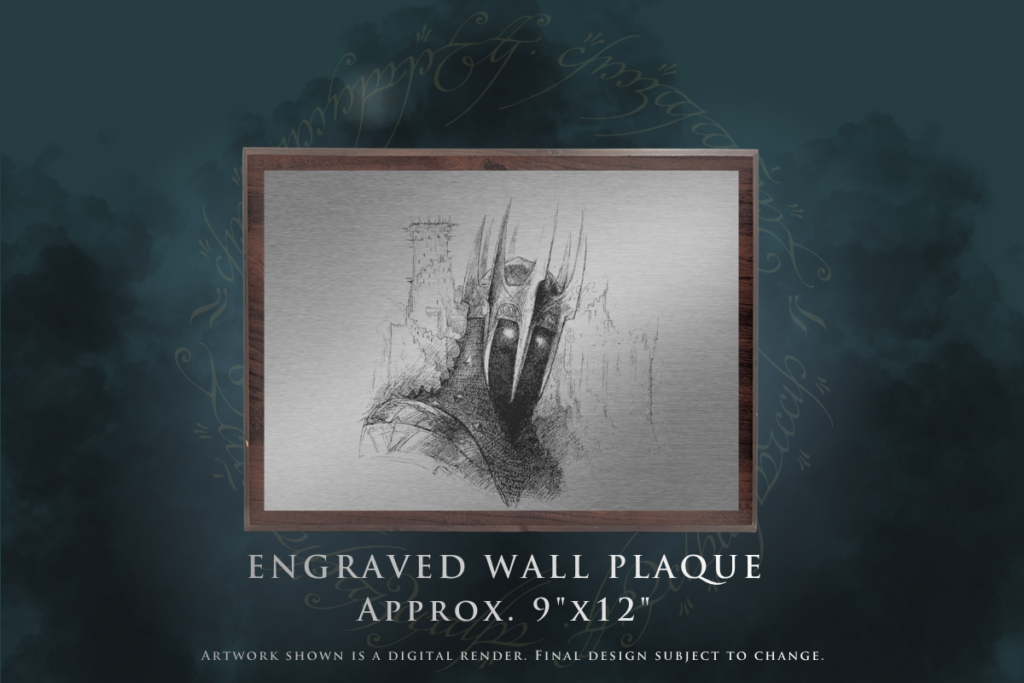
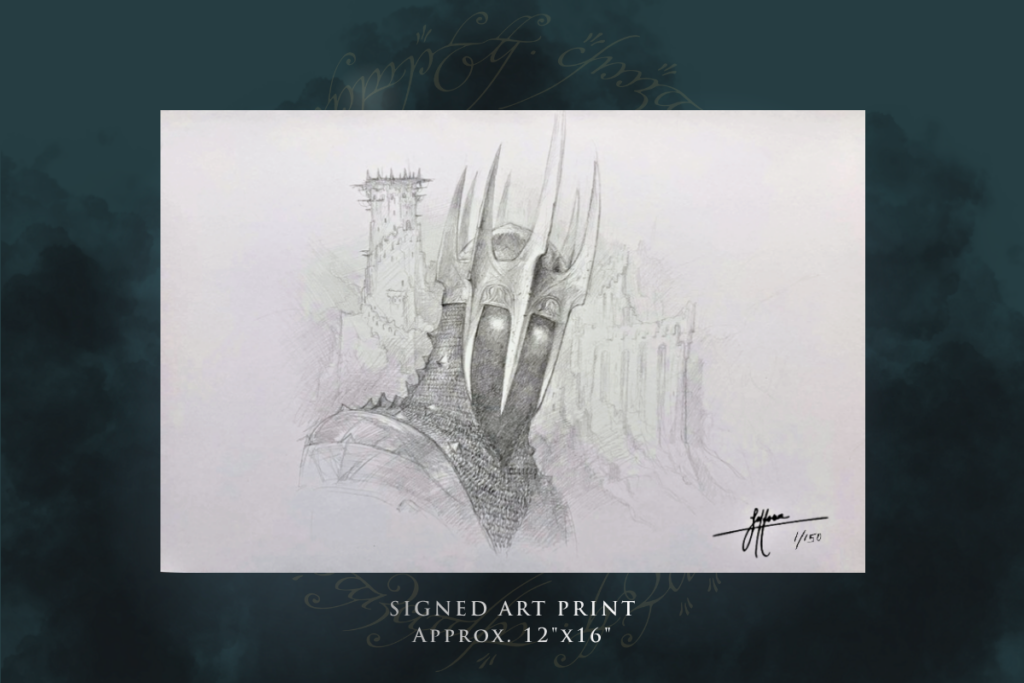
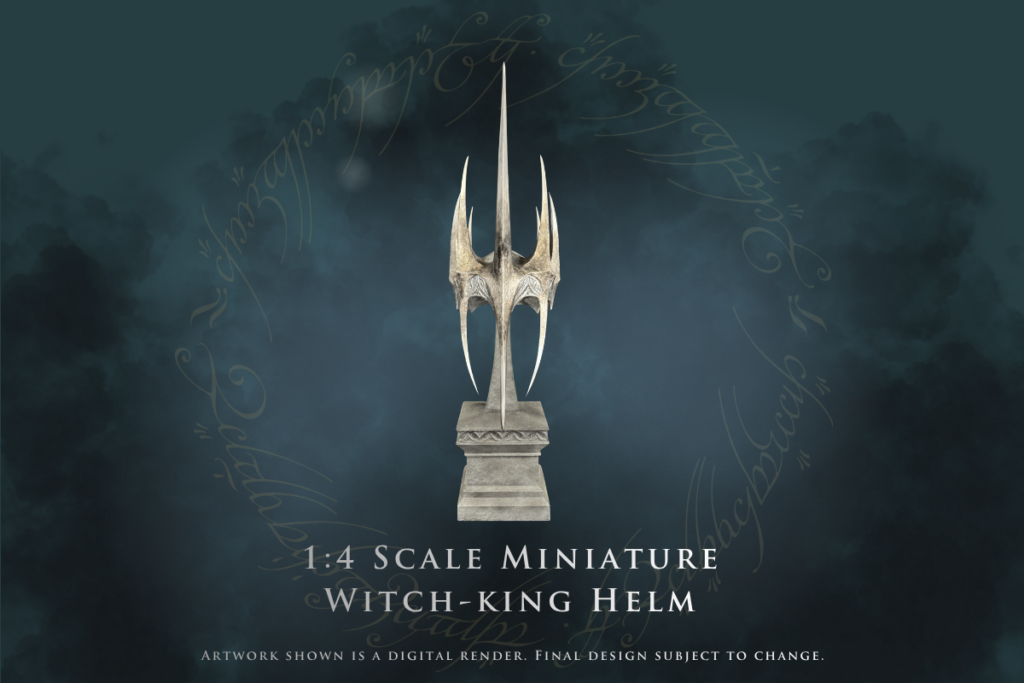
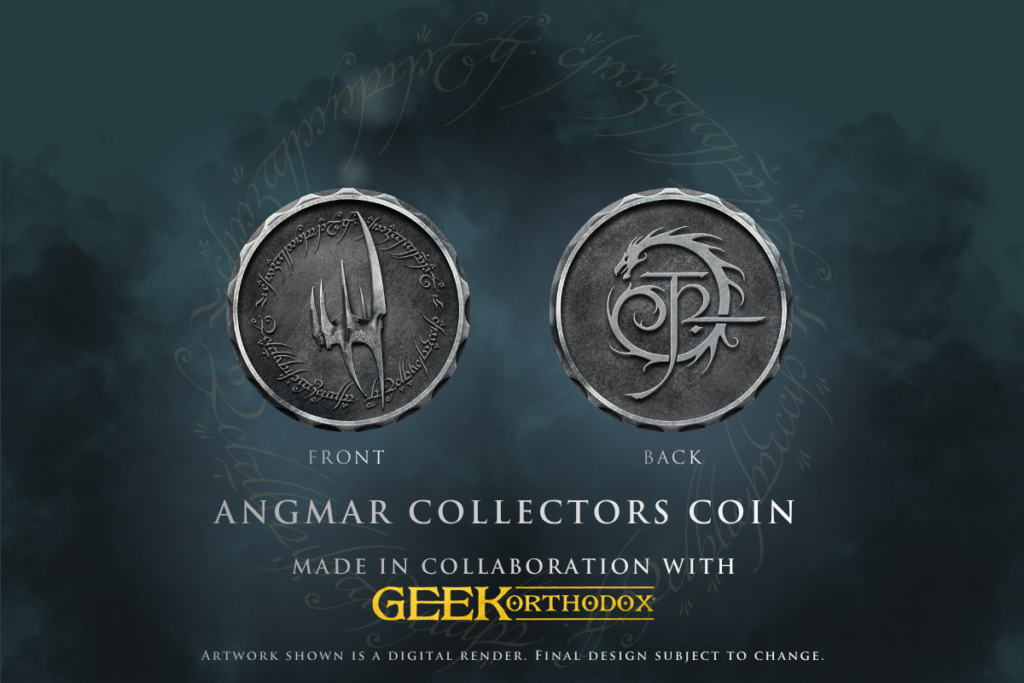
This is a stunning piece, which will be available in two different scales; and there are a number of other incredible items, such a coins, plaques, and signed prints, on offer as well. The Helms are very limited – you won’t want to delay on this one! The connection to John Howe’s original design makes this an especially interesting release for fans of the visual history of Middle-earth.
Check out the full details here; if the 1:1 scale Helm of the Witch-king is calling to you, you’ll need to move quickly! After all, the Nine may be patient—but collectors rarely are!
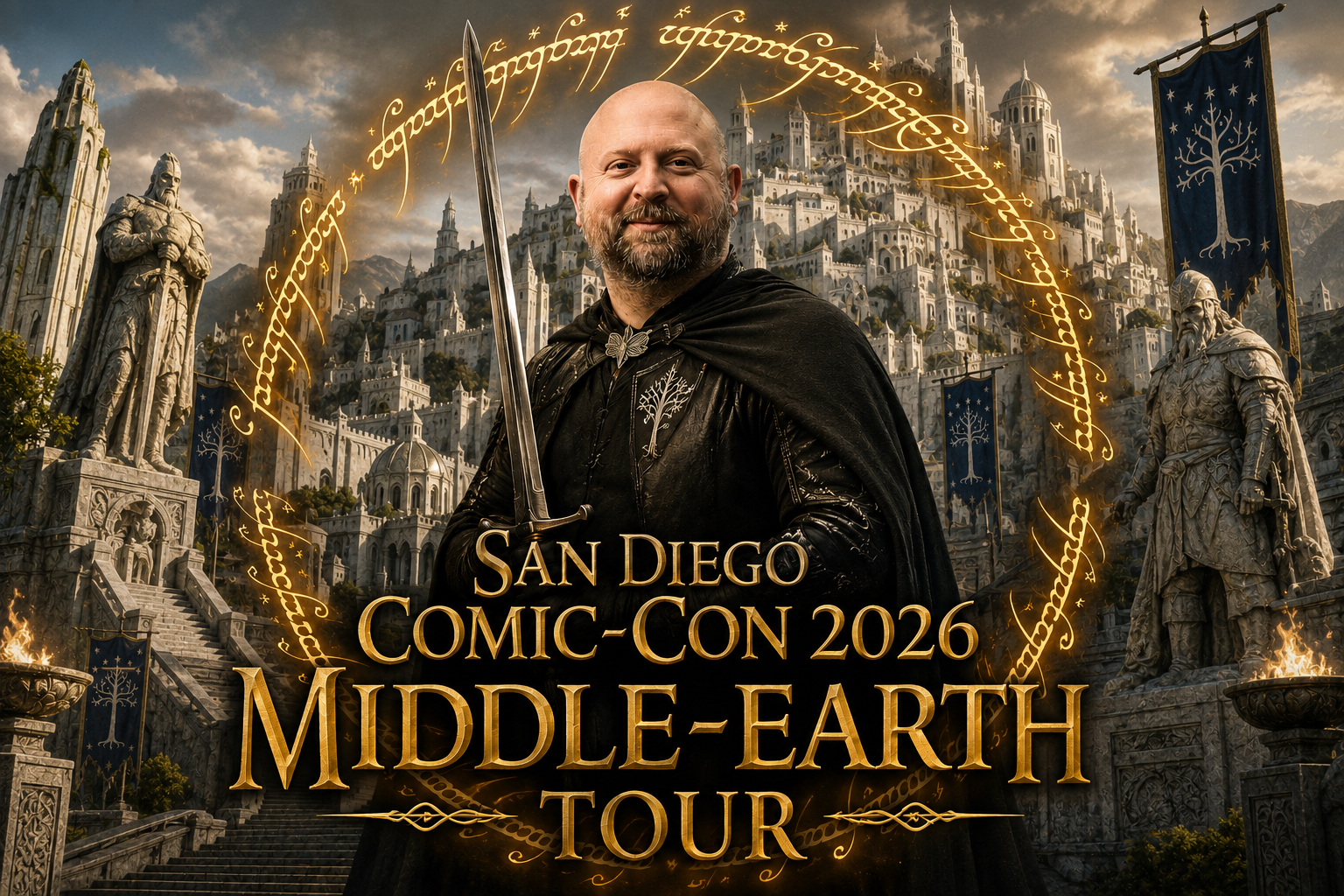
If you couldn’t make it to San Diego Comic-Con 2026, don’t worry—we’ve got you covered! In the Middle-earth Tour video linked below, we’re taking Tolkien fans on a tour of some of the convention’s biggest destinations for Middle-earth collectibles, giving you an up-close look at the incredible statues, figures, and artwork that had collectors buzzing all weekend long.


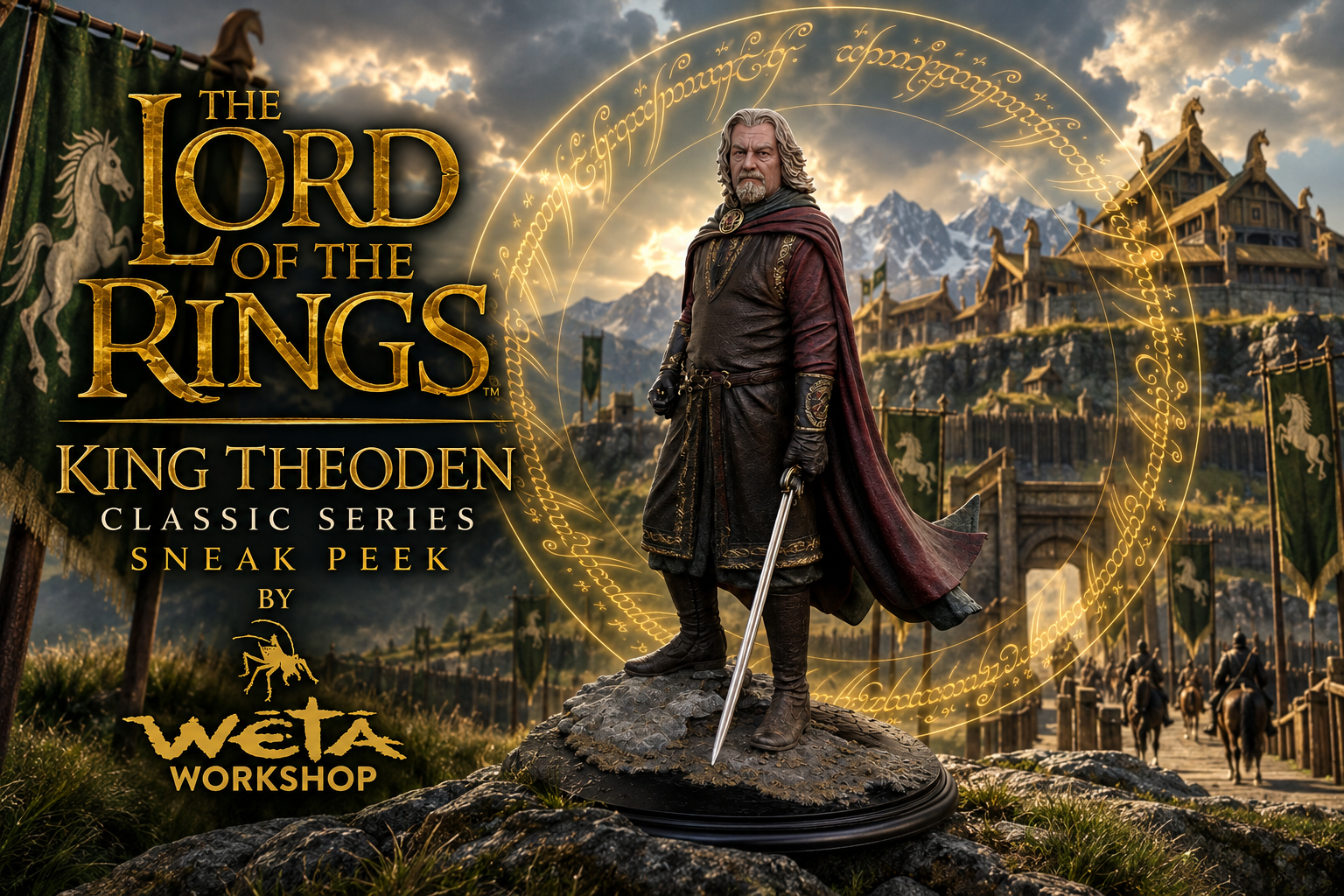 Forth Eorlingas! One of Rohan’s greatest heroes is getting ready to ride onto collectors’ shelves!