We’re thrilled to announce a new partnership between TheOneRing.net and the amazing folks at Signum Studios; and to let you know about an imminent project which you can support! Here’s our official press release:
FOR IMMEDIATE RELEASE
January 11, 2025
TheOneRing.net Partners with Signum Studios to Bring Deep-Dive Fan Content to Audiences Worldwide
For 25 years, TheOneRing.net has been a beacon for Tolkien fans — celebrating the Professor’s works with authenticity, community spirit, and a passion for well-researched stories. Today, we’re delighted to announce a new partnership with Signum Studios, known for producing in-depth, academically informed content that resonates with dedicated fandoms everywhere.
“We’re thrilled to join forces with Signum Studios,” says Chris Pirrotta, Co-Owner of TheOneRing.net. “Both of our teams share a commitment to creating thoughtful, inspiring projects that honor Tolkien’s vision and bring fans closer together. We can’t wait to see where this journey leads.”
Corey Olsen, President of Signum University (of which Signum Studios is the production branch), says, “Signum University has always admired the passion of the TORn community, and we are tremendously excited by what lies ahead!”
A Deep Dive Into Middle-earth: Rings & Realms: The War of the Rohirrim
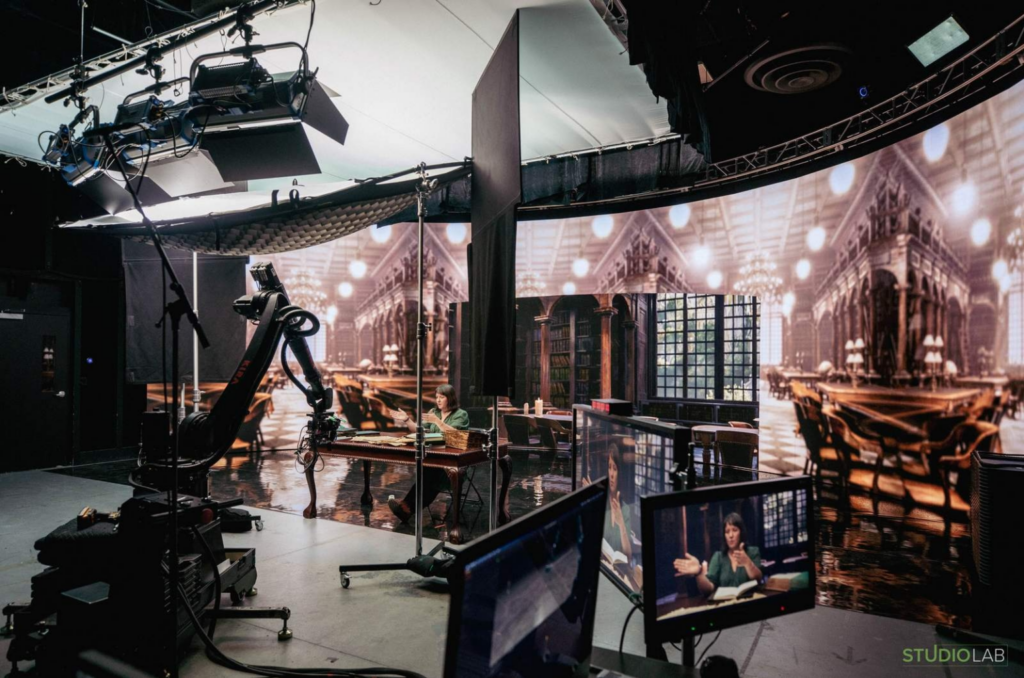
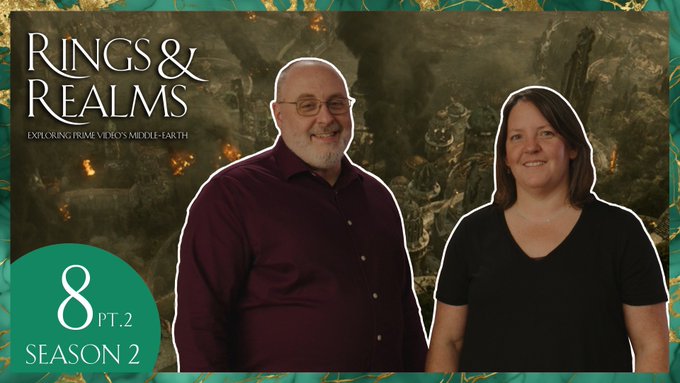
A project that celebrates just this type of collaboration is a Kickstartercampaign for “Rings & Realms: The War of the Rohirrim.” This documentary-style production channels the beloved “appendices” spirit by exploring the anime feature film about Helm Hammerhand and the origins of Helm’s Deep. This documentary is helmed (pun intended!) by the creative minds at Signum Studios — including Dr. Corey Olsen (widely known as “The Tolkien Professor”) and Dr. Maggie Parke (Studio Director and adaptation specialist) — and will also feature TheOneRing.net’s own greendragon (Kirsten Cairns) as part of the team.
Dr Corey Olsen and Dr Maggie Parke of Signum Studios
• Thoughtful Exploration: The Rings & Realms crew merges scholarly insights with fan-oriented storytelling, aiming to offer a deeper understanding of Tolkien’s lore.
• Community Engagement: Backers gain behind-the-scenes access, Q&A sessions, and even set visits — keeping our vibrant fan community at the heart every step of the way.
• Authentic Fan Spirit: True to TORn’s legacy, this project will invite fans to explore Middle-earth in a welcoming, celebratory way.
By supporting Rings & Realms, you’ll help us continue our mission of bringing richly researched, entertaining Tolkien content to audiences around the globe. Whether you’re a long-time TORn community member or new to TheOneRing.net, we invite you to be part of this exciting new venture.
How You Can Support
Visit our Kickstarter page to learn more about Rings & Realms: The War of the Rohirrim, pledge your support, and explore the rewards we’ve lined up for you. But hurry! The Kickstarter campaign closes at 7pm ET on Monday 13th January. With your help, we can continue celebrating Tolkien’s world — together.
About TheOneRing.net
Since 1999, TheOneRing.net has been a welcoming home for Tolkien fans, uniting a global community that embraces the spirit of exploration, discussion, and fellowship inspired by J.R.R. Tolkien’s works.
About Signum Studios
Signum Studios specializes in fan-focused, academically grounded media productions. Their goal is to bring beloved fictional worlds to life through engaging storytelling and thorough research — offering a fresh perspective for fans everywhere.
If you’re in the UK, this is for you! On Friday November 29 at 14:00 GMT, you can be present for a conversation with Philippa.
Other Minds and Hands: A conversation with Philippa Boyens is free to attend and will take place at Merton College, University of Oxford. Phillipa will be interviewed by Grace Khuri and other other members of the Oxford Tolkien Network: Giuseppe Pezzini, Mark Atherton, Stuart Lee, Catherine McIlwaine.
One week on from the drawing to a close of Season 2 of The Lord of the Rings: The Rings of Power, here at TORn we are enjoying the opportunity to rewatch and reflect on all eight episodes as one story arc. Scenery, design, costumes, music – all are compelling. Perhaps the greatest asset of this show, however, is the extraordinary cast. Brought together by skilled casting directors, they are an enormously talented group who rarely put a foot wrong, delivering even the occasional clunky lines of the script with style and aplomb.
Hazeldine at San Diego Comic Con
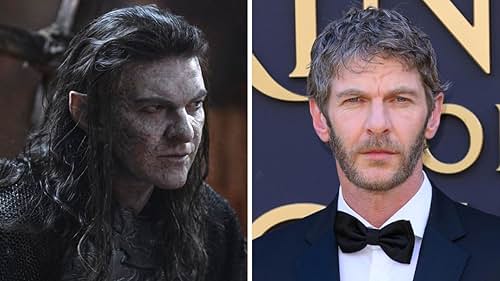
Some members of this team are experienced theatrical actors, and their stage craft is evident in their creation of character. One such is Sam Hazeldine, who had the unenviable task of stepping into the role of Adar for Season 2. Joseph Mawle’s rendition of the character was, for many, one of the highlights of Season 1. When I met Hazeldine at San Diego Comic Con, I was curious to know if he felt daunted, taking on the mantle of an already popular performance. He told me that the strength of Mawle’s performance actually made it easier to take on the role; because he enjoyed and admired the choices Mawle had made, he found it easy to run with them, whilst also finding his own way into the mind of the ‘father’ of the orcs (or as Adar would prefer, Uruks).
Actor Sam Hazeldine – and seen as Adar
Weeks later, with the final episode of Season 2 airing, I had the opportunity to chat with Hazeldine again, and see how he felt now that his Adar was out there.
Here’s what he had to say:
greendragon: The last time we met was at San Diego Comic Con. We talked then briefly about stepping in and taking on the mantle of a role that had been played by another actor in Season 1, and you seemed very calm about it. I wonder how you’re feeling now that the season is out, and what reaction you’ve picked up on from viewers?
Sam Hazeldine: It seems to be positive!
GD: Did you have any trepidation at all?
SH: You know, somebody had to take over the role. I was lucky enough it was me! Even if it was a kind of beloved performance [from Joseph Mawle], the fact of the matter is it wasn’t going to be the same actor anymore anyway. So I guess it was just incumbent upon me to try and uphold and continue in the direction that the previous actor was going, and just to do my best. And yeah, I guess I did feel comfortable about that and, as I said before, it made it easier that I really liked Joseph, and the character that he – and the showrunners, obviously – had created. So it was a pleasure, really, that’s all. It’s nice that it seems to have been responded to well.
I think Adar has a new mission in Season 2, anyway; so it is a slight divergence from what went before in those terms. But [I was] trying to keep the conflict that I felt, with Joseph’s performance, was one of the greatest things about it; and understanding why that is. I think that more of that’s been revealed in Season 2 – or it’s been alluded to: what he’s been through, and why he feels this enormous burden of responsibility for his children.
Adar’s care for the Uruks
GD: I wonder – in your interpretation of the character, how ruthless do you think he is? It’s very interesting to me that he’s been, in some ways, a very sympathetic character; surprisingly so, because for most of Season 1, he was the knowable villain that we had, and yet he’s been very sympathetic. But as Season 2 has unfolded, we have seen more ruthlessness from him, and maybe some of the care seems to be falling away, particularly in the last two episodes of the show.
SH: I think it’s a case of … it’s not even cruel to be kind. I mean, he understands the existential threat that the resurgence of Sauron imposes to the Uruk. So it’s just what has to be done, really. You know, he says at any cost, at one point – which worries Glûg immensely. But I don’t think anybody understands; I don’t think anyone else was there, when Sauron was there before. I don’t think they really, truly understand how dangerous he is, and the threat that he poses to the Uruk. It’s Adar’s responsibility to know that, to do something about that, and to try to lead them to victory against Sauron. Even if half of the Uruk are killed, then at least the rest will be free at the end of it. Otherwise it’s curtains for everyone!
And I mean, Adar certainly knows that he himself is done for, but I don’t think he really cares about himself at this point. I think he is doing it just purely to save his children.
GD: There’s that great line where you say something like that you love them so much that you cannot allow them to become slaves.
SH: Sauron’s slaves, yeah, exactly. I believe he’s telling the truth.
GD: He does seem to be a character who tells the truth, which is a contrast [with Sauron].
SH: Yeah… There’s a little bit of cunning and deception, extracting information from Galadriel in episode six. And in the stuff with Charlie [Vickers] – with Halbrand in the jail cell early on [episode one]. Adar is aware that he could be Sauron, and he’s taken the beatings in that jail cell no human could take; but it’s like there’s nothing he can physically do. He needs to know for certain that he is Sauron – and he’s giving nothing away – so we let him go. It was a contentious point at the time; while we were filming it I wanted to understand. I was like well, why would I let him go?
There is a ‘one upman’ thing there, of who can outsmart the other; who’s the smartest? It’s a really bold – slightly foolish! it’s his undoing really – move of Adar’s; but he does try to outsmart Sauron, who is the great deceiver. You know, it’s never going to go well!
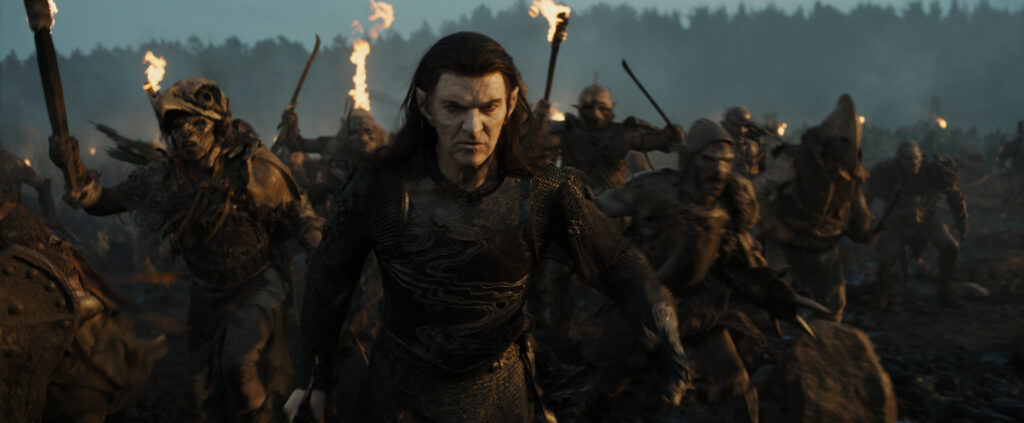
Adar leads the Uruks into battle
One of the first Elves?
GD: I wonder if that sense of maybe being able to outsmart Sauron is partly because Adar is one of the most ancient characters in the show. (Forget Tom Bombadil for a minute!) He is presumably one of the Elves from the first awakening of the Elves. How much did you fill in? (I thought we might actually get a name for him when I was watching episode eight!)
SH: I know! We made up a lot of names, some of them very silly – but I won’t go into them!
GD: How much of a backstory did you have in your own mind, about the centuries that this character has been alive?
SH: I thought about it a lot. I loved that there was a line of Joseph’s in his first scene, with Ismael [Cruz Córdova] where he says, ‘I went down that river once. The banks were covered in sage blossoms…’ It had this kind of beauty and nostalgia of a life past, and a life lost, and that sort of sense… I don’t think he [Mawle] necessarily did it with regret, but it felt like there was something of that in there, for me. From then on it made me think that Adar regrets his decision to volunteer [to serve Morgoth] in order to get more power and to have children. He was duped, obviously, but I think that he must have been a very unhappy elf, you know – dissatisfied. He wanted more; I think he must have felt that he wasn’t given the respect he wanted – or felt he should have had, perhaps. And that dissatisfaction led to him wanting more – which is a very relatable thing. All humans want more, really – and that’s where the problems begin!
So I think over these centuries, for thousands of years, he feels he is responsible, in his mind anyway – or in part responsible – for the creation of the uruk as a race who are cannon fodder. He’s created lives that are going to be miserable; and it’s his fault, as far as he is concerned. So his raison d’etre is to take care of these Uruk as best he can, knowing that he is responsible for them. I think that’s all he really cares about.
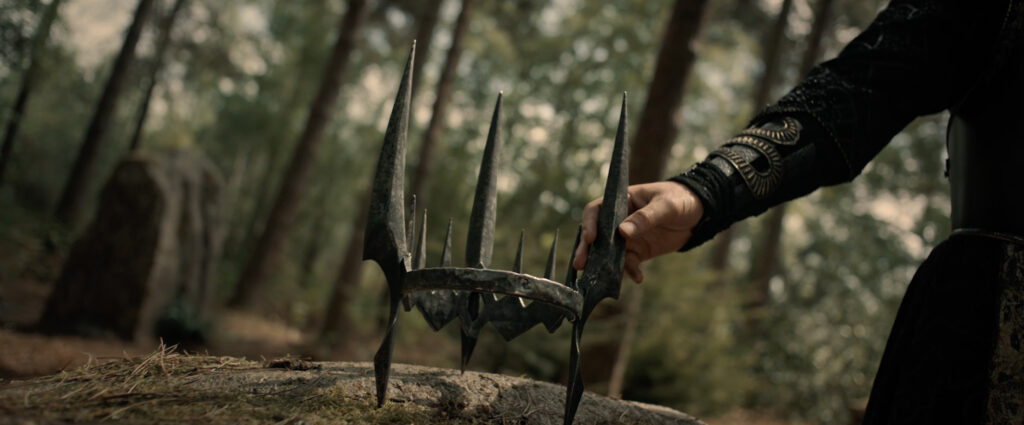
Morgoth’s crown returns at the end of Season 2
To be returned via Nenya [the ring of power worn by Galadriel], being healed by Nenya [in episode eight]; to have a glimpse, a really stark reminder of his life prior to that deal with Sauron and Morgoth… I think he’s finally got to a place he’s dreamed of millions of times since then – which is that he wishes he’d just been happy with what he had, and remained an Elf, and lived – possibly died – an Elf. But it’s too late now. It’s this incredible moment for him, and I think it stops him in his tracks. And that’s why he doesn’t go on and kill Sauron. He can’t do it; he can’t face him.
You know in Superman 2, when he loses his super powers? I felt like it was like that; it’s like his armour is gone and he’s starkly reminded of his fragility – and his “humanity”, in a way, as well. And so he needs Galadriel to take the mantle and to finish the job for him, because he can’t do it.
GD: It was a breathtaking moment to see him healed whilst wearing the ring; and it felt, to me at least, like an extremely noble gesture that he gave it back. That speaks something of his character. It’s interesting what you’re saying, that he perhaps couldn’t go on and so he had to give it back; but then it shows you something about an inherent depth to his persona, that he doesn’t say, ‘Aha, now I have this ring and it’s given me power!’
SH: And to take the rings from her as well – she’s got nine rings with her! I mean he succeeds, really, ultimately, in gaining the respect of the Elves. Galadriel is a very high Elf; and I think they feel like equals at that point. And that is something that he never had before, and that is the respect that he wanted. You know, it’s like the evil step-sister at the wedding – you’re the same as them, but you just feel like you’ve been cast out. And I think it’s as simple as that, that he finally has the respect of the Elves; or of Galadriel anyway. It’s a kind of homecoming for him, in a way.
GD: Unfortunately, though, he doesn’t have the love of some of his Uruks anymore by then.
SH: Because they don’t understand that he’s doing it all for them. And I think him being in Elven form is the last straw… First of all, he’s trying to make a deal with Elves, and they [the Uruks] don’t like that, and then he is an Elf again.
GD: It’s like ‘He was never really one of us.’
SH: Exactly. Can he be trusted with our fates anymore?
GD: And so you’ve just got your feet under the table, and now (presumably) we’re not going to see Adar anymore! That’s very sad, because he’s been a very popular character. He was created with a lot of regard, I think, for Tolkien’s writing, and cleverly combines various different origin stories that Tolkien had for the orcs: in some of the stories they were made, and in some of them they were corrupted Elves, so the showrunners have kind of combined the two. You’ve got ‘made’ orcs and a corrupted Elf. But it speaks a lot for both, first of all, Joseph Mawle’s performance, and then your performance, that this character has been so loved by the viewers in spite of not being a canon Tolkien character.
SH: Yes. I’m really glad of that. You know, Joseph is the one who started that. It’s a great character.
That kiss in episode 7…
GD: I have to ask you, before we come to the end of our time: there’s been a lot of reaction to the kiss between Galadriel and Elrond.
SH: You know, we talked about that a lot at the time, obviously.
GD: I was just going to ask you how Adar perceives it. He’s the one in the room at the time. From his angle, how does he perceive it?
SH: I was going to say “awks”! [laughs] Really bad pun, sorry! But anyway…
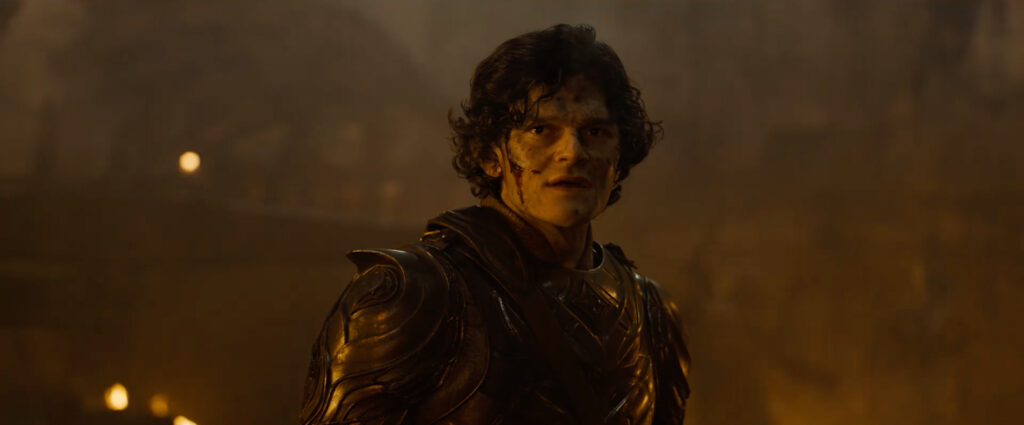
Robert Aramayo as Elrond
I saw a video – I think it was on Instagram – of Rob Aramayo talking about it, and I agreed with him completely. Nobody thinks about things more than Rob does. He is such a massive Tolkien fan and just such a clever and thoughtful guy. And yeah, as humans, we think, ‘Oh, romantic!’ – but it isn’t romantic. It’s a dear, dear friend; they’ve been through so much together – especially within the time of these two seasons. He’s not really sacrificing her, because he’s planning to save her – but there’s a chance [she might die]. But he gives her the thing so (hopefully) she can get away. Which she does! [feigns Adar-ish dismay] Yeah, that’s another story…
I think the kiss is transcendent. It’s a moment of pure beauty, as far as I’m concerned; of tenderness and real love. And it could be… when I say brotherly, sisterly, I’m not suggesting that brothers and sisters should be kissing each other on the mouth here in our world! If my sister reads this… [laughs] But this is different. This is Middle-earth and, you know, they have millennia between them and it’s a beautiful moment.
GD: Hearing you say that makes me think for Adar there’s some pathos there; because maybe that is the respect and love and camaraderie that he would have liked to have had with another Elf.
SH: Absolutely, yes. You’re absolutely right – that’s a really good point.
GD: Now I need to go back and watch it again from that perspective!
SH: I’ve actually watched episode 7 twice, because I loved it so much. Charlotte [Brändström, the director] did such an incredible job; and I love Bear’s music at the end. Bear is just great.
GD: Well, Sam, I’d love to say I’ll see you at the next press event; but unfortunately, perhaps not! – because I think your time in this version of Middle-earth has come to an end.
SH: I know, I know. It’s so sad.
GD: It has been such a pleasure to meet you and to hear a bit of your insight. Thank you for the seriousness with which I know you and all the cast approach your characters – with absolute seriousness. We really appreciate that as viewers, that there’s a professionalism and a depth of approach that is in no way dismissive of the work, or of fantasy as a genre.
SH: Yeah, not at all. It [fantasy] is everything! And thank you as well!
The complete The Lord of the Rings: The Rings of Power Season 2 is now available on Prime Video. Look for TORn’s interview with Trystan Gravelle (Pharazôn), coming soon!
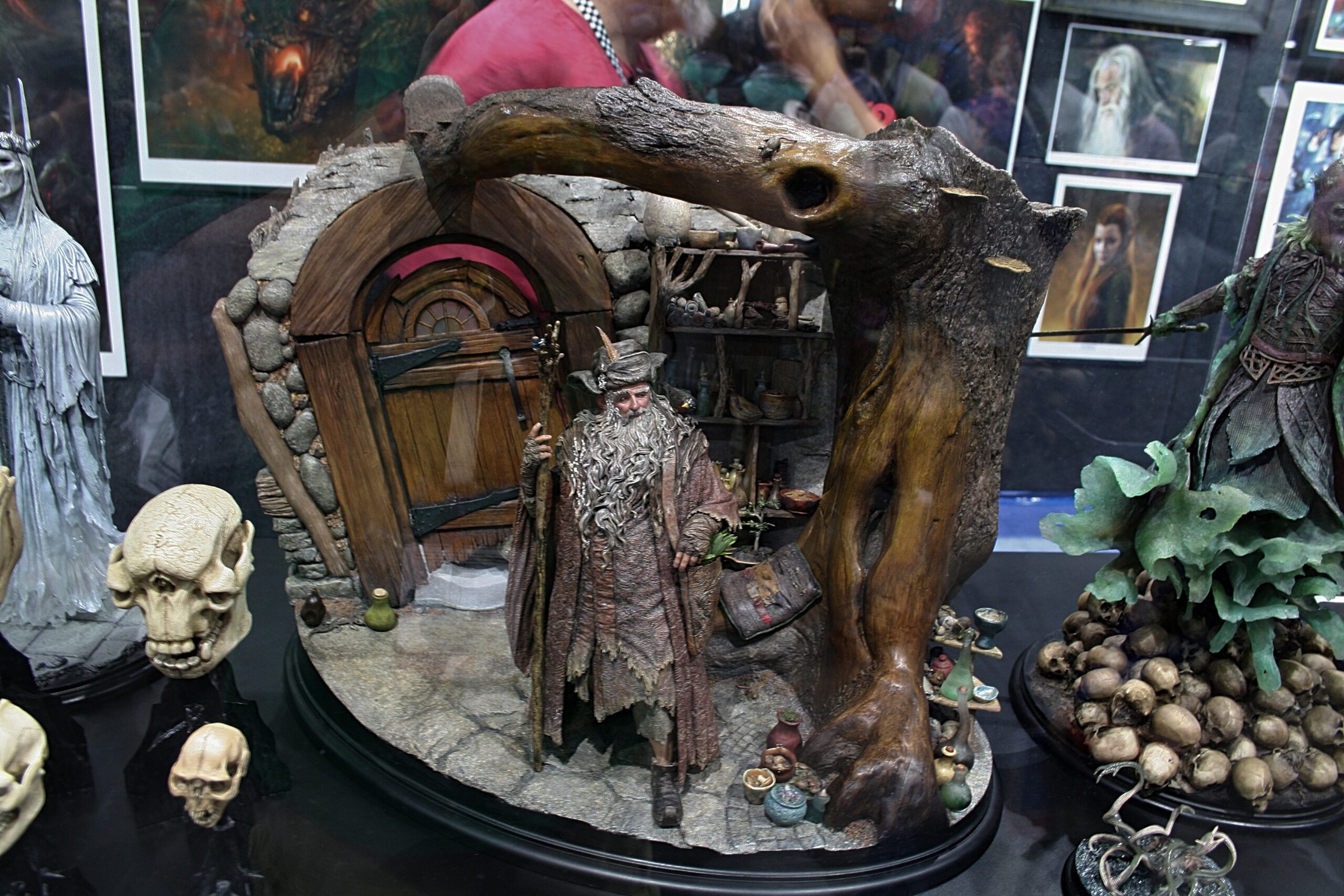
Available for pre-order from our friends at Weta Workshop is this beautiful statue depicting Radagast the Brown in Rhosgobel. This piece is superbly done, as usual, and perfectly recreates the quirkiness of Radagast and his home. There’s also a very cool easter egg that represents the beautiful place in which the films were made, New Zealand. You can pre-order this amazing piece for $999.
If you have been collecting the classic series, then this second statue of Radagast is for you. This classic series piece is available for $399. Both Radagast statues are due to ship in the first quarter of next year.
For lovers of the monsters of Middle-earth, who need a little eight legged friend in their collection, you could grab the very cool mini-Shelob statue for $179, this statue is also due to ship in the first quarter of next year.
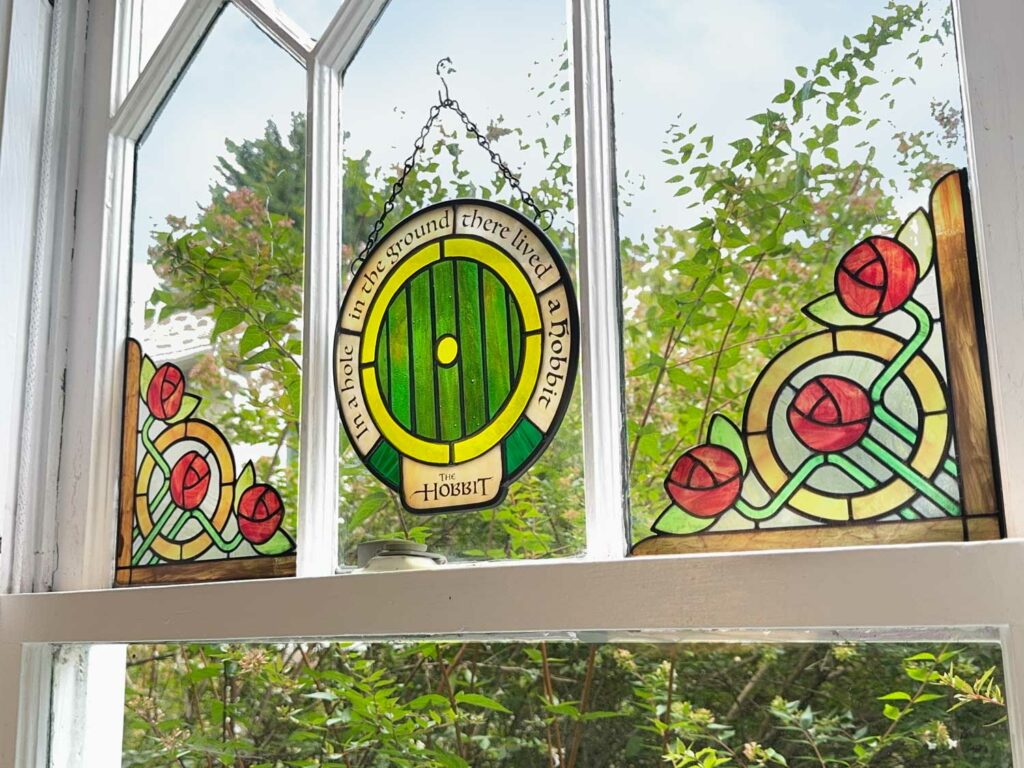
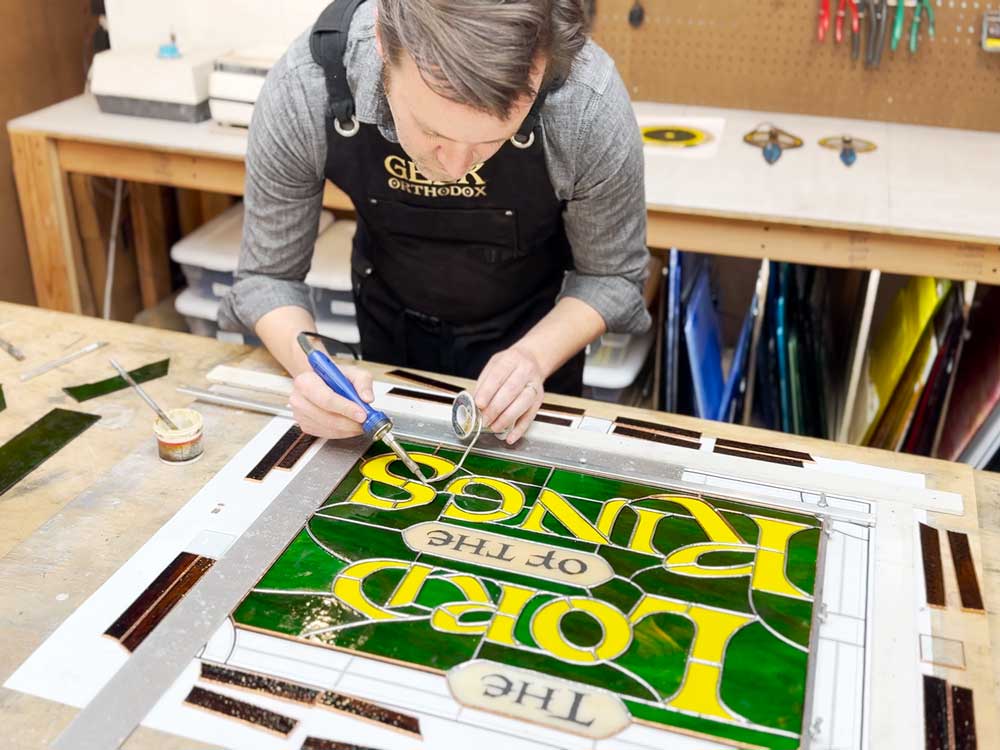
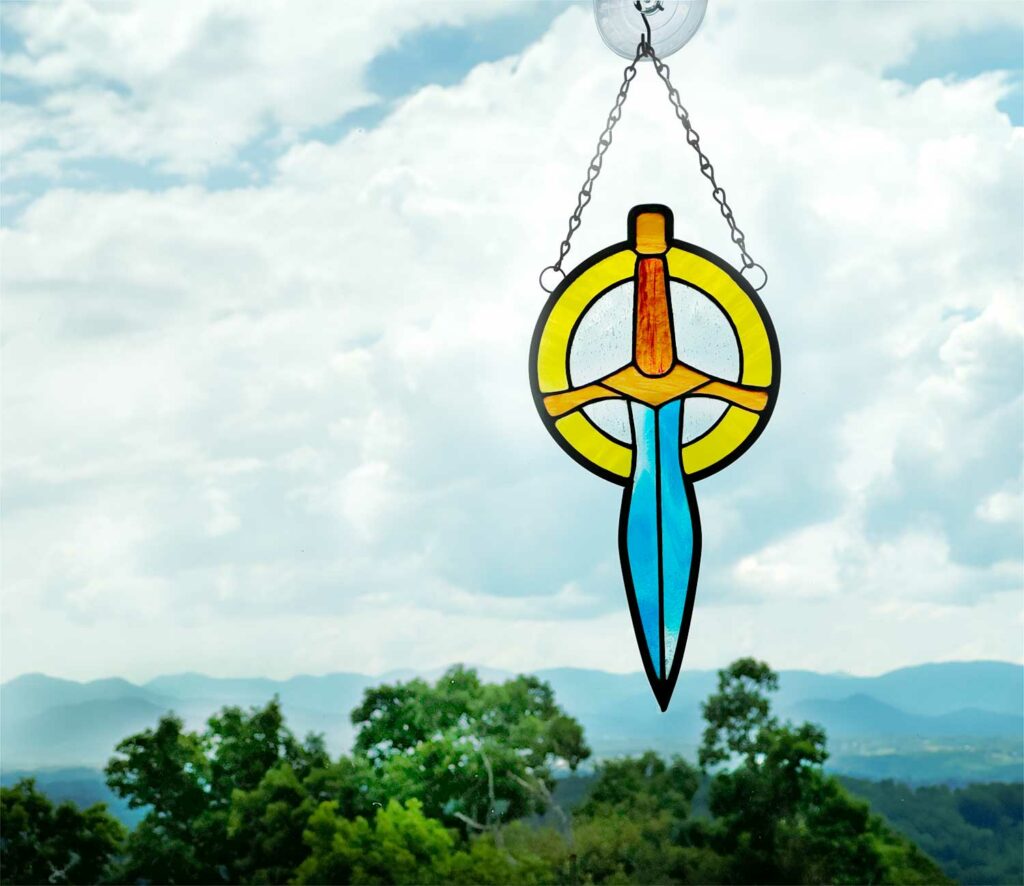
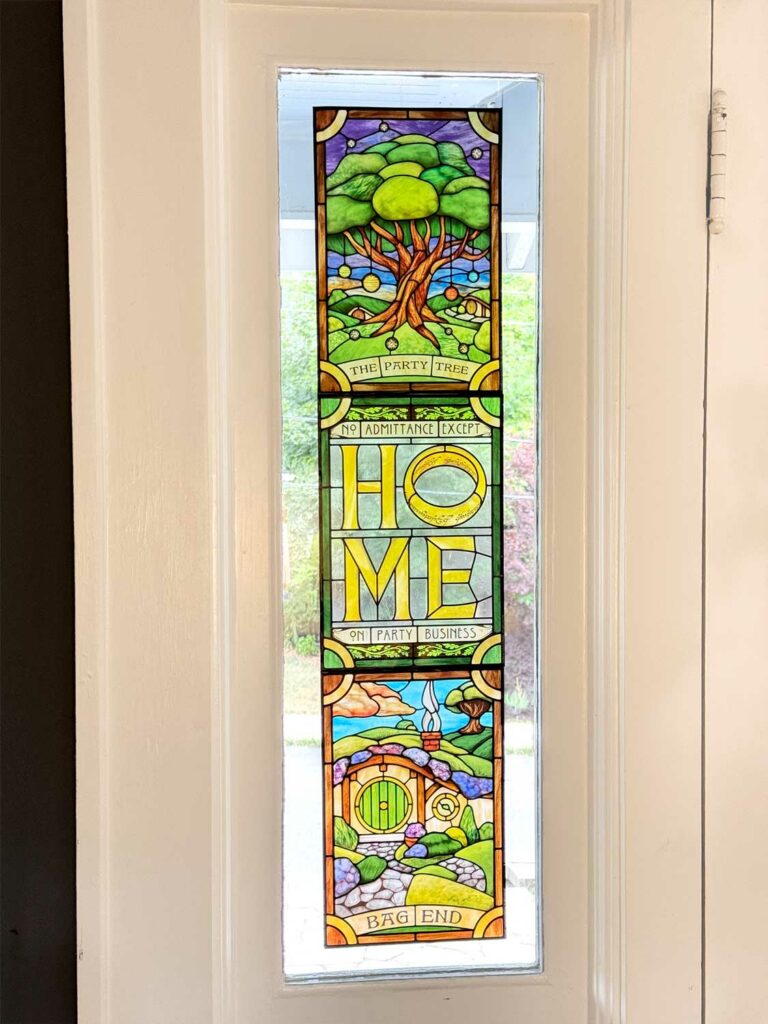
Here at TORn we were delighted recently to make a new friend: Ian Leino from Geek Orthodox. Ian is a glass artist who creates incredible stained glass (and window cling replicas), and who has recently become licensed with Middle-earth Enterprises. So he’s launching a range inspired by Tolkien!
Staffer greendragon recently had a chance to chat with Ian, to find out more about his stunning creations, and his passion for all things Tolkien. Here’s what he had to say:
What was your first encounter with the work of J.R.R. Tolkien?
My parents divorced when I was an infant, but when I was four, my Mom started dating a man who would eventually become my step-father. When he would come to visit, he would always read to be before bedtime – but none of those [little] children’s books; he launched right into The Lion, the Witch and the Wardrobe by C.S. Lewis, and introduced me to the world of fantasy. It took a few years to get through the entire Chronicles of Narnia, and by then they had gotten married and we’d established the routine of a family reading time.
With Narnia behind us, the time was right to graduate to the world of Middle-earth, starting with The Hobbit and progressing through The Lord of the Rings, which captured my imagination in an entirely new way. That bond over Middle-earth is one of the things that bound our new family together, and it’s a common interest that we still share.
Why stained glass – is it a medium which particularly lends itself to images of Middle-earth, do you think?
My interest in stained glass started with my first job, which was sweeping up at a glass studio on the weekends when I was in middle school. And it intensified in college when I studied art history with an emphasis on gothic art and architecture. As a medium, stained glass has always been used to evoke a sense of wonder and grandeur. From the heroes of history to the religious parables in cathedrals – we use stained glass artwork as a way of venerating and celebrating what is important to us.
The world and characters of Middle-earth are such a foundational fandom for so many of us that I feel that they deserve a similar artistic treatment. From the sweeping vistas that call us to adventure, to the coziness of a pub sign where we know our friends are inside sharing tales, these moments and places absolutely shine through the medium of stained glass in a way that they can’t in any other medium.
Are there other Middle-earth artists/interpreters who have influenced you?
I likely have the same major touchstones as many other Tolkien fans my age – starting with the striking animation of the Bakshi films, later finding the stunning work of Alan Lee, and then being absolutely immersed in the world of Middle-earth by the amazing creative teams at WETA.
One of my absolute favorite sets of illustrations ever, though, is the 1976 Russian version of The Hobbit, illustrated by Mikhail Belomlinsky. The illustrations are bold and unique with a touch of whimsy, giving the entire book the feeling of a folk-tale. More than anything, I love the breadth of inspiration that is possible while still being true to the original text, and the huge diversity of artwork based around these stories.
How does it feel to be ‘officially licensed’?
It feels amazing! I feel like I should have a more sophisticated answer, but it’s so overwhelming that all I can think is: “amazing!”. I’ve long enjoyed being part of a worldwide fellowship of artists who create original art that is inspired by these books. So it’s an incredible honor to know that the stewards at Middle-earth Enterprises have selected my artwork to help officially represent that world to fans everywhere. I feel a responsibility to be worthy of that trust – being true to the original text and my own vision – to offer a new way of experiencing the world that Tolkien created.
September 22nd is the birthday of both Bilbo and Frodo Baggins. On September 21st 1937, The Hobbit was published. So this weekend is a great time to celebrate in ‘Shire-ish’ style – and we have suggestions for you if you’re near New York or Los Angeles!
On Saturday 21st, TORn’s good friend Donato Giancola is hosting an Open Studio in Brooklyn. This is an incredible opportunity to meet the artist himself, see where he works, and gaze upon his latest large scale Middle-earth painting, Bridge of Khazad-dûm. If you’re very lucky, you may even go home with a Giancola original of your own! Here are the details:
Donato Giancola Open Studio, 11am – 6pm Saturday 21st September
397 Pacific Street Brooklyn, NY 11217
Donato says:
This Fall (or the end of Summer) will see the annual hosting of an Open Studio here at our home and studio in Brooklyn. Open to you, friends, and anyone who you may like to bring along.
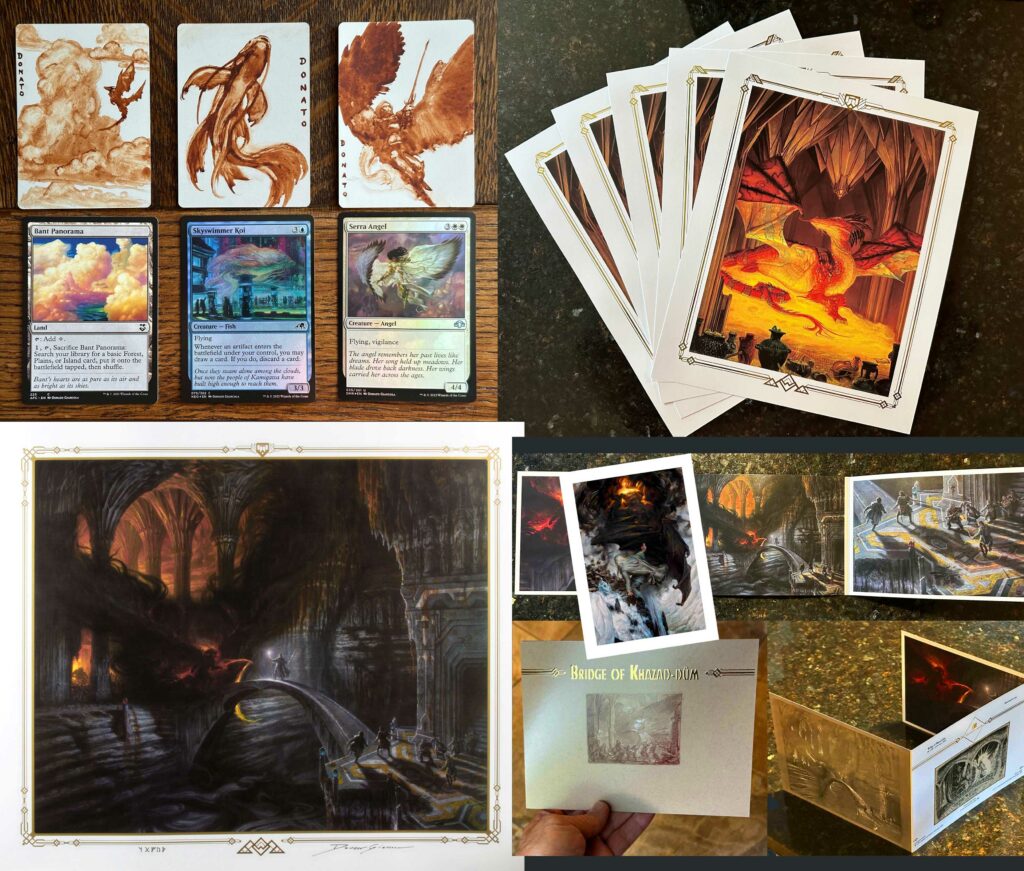
I will be showcasing the newly finished, large scale Middle-earth canvas, the Bridge of Khazad-dûm, alongside handfuls of new oil paintings including recent work for Tad William’s Stone of Farewell, D&D themed drawings, Empathetic Robot projects, as well as scores of classics from my 30+ year career as an illustrator.
Of lucky significance for this event is that September 21st is also the 87th Anniversary of the publication of The Hobbitby J.R.R. Tolkien!
I cannot be more thrilled by this opportunity to celebrate the writings and art of Middle-earth. Keep your eyes out for some very special offerings as I plan events and give-a-ways for this day including a lottery for copies of Middle-earth: Visions of A Modern Myth, a signed The Hobbit featuring my cover art from the Science Fiction Book Club edition (signed just by me, not Tolkien, sorry!), and other original art and prints to be announced in the coming weeks.
Anchoring the studio for the second year in a row is another massive Middle-earth work, at 66″ x 80″, and this time – framed! The successful Kickstarter which just ended this past week will allow me to offer that special print for visitors to examine first hand and enter a lottery for a free large canvas giclee of the art if you missed out on the campaign!
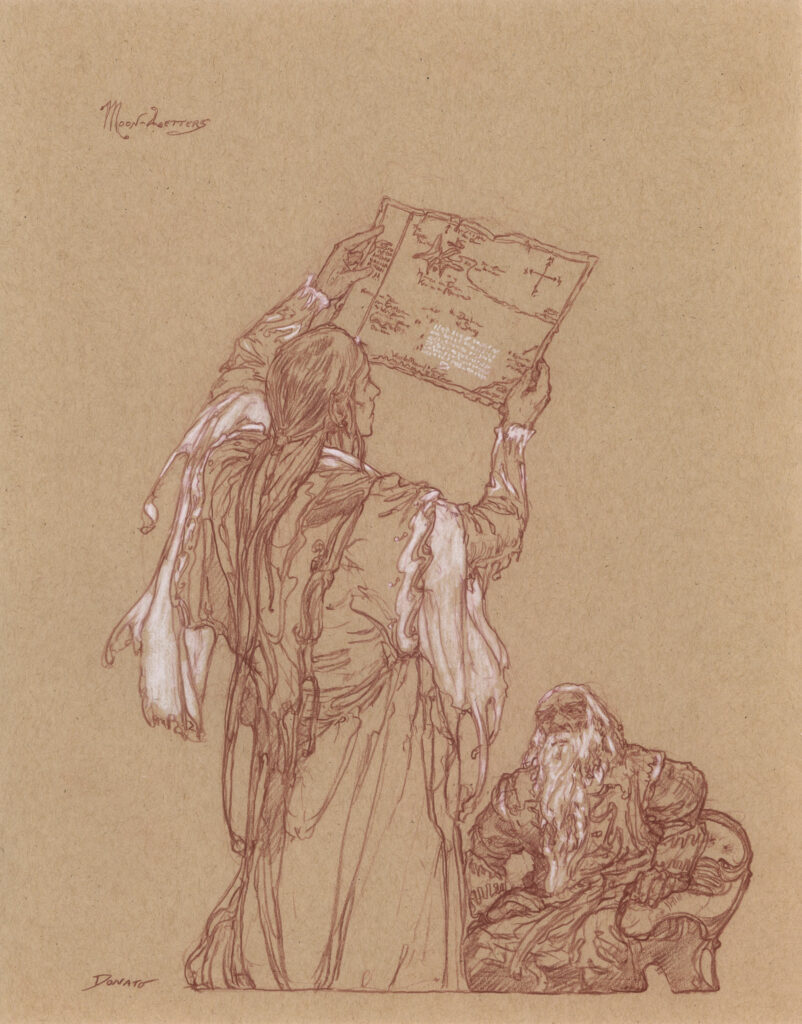
The Lottery will include numerous items in the offering- from an original oil painting, to a Middle-earth original drawing (Moon-Letters – see the image above), to prints, books and Magic Artist Proof paintings – and more to be added as we get closer to the date. (In-person Lottery drawing will be held at 5pm on Saturday, entrants need not be present to win.)
We are also thrilled that the artist & pianist Colleen Quint will be playing live on our piano throughout the day and artists Kelley Hensing and Carter Gill will be present to assist once again this year! New works from Magic: The Gathering as well as interior art for projects with Grim Oak Press will be on display throughout the studio.
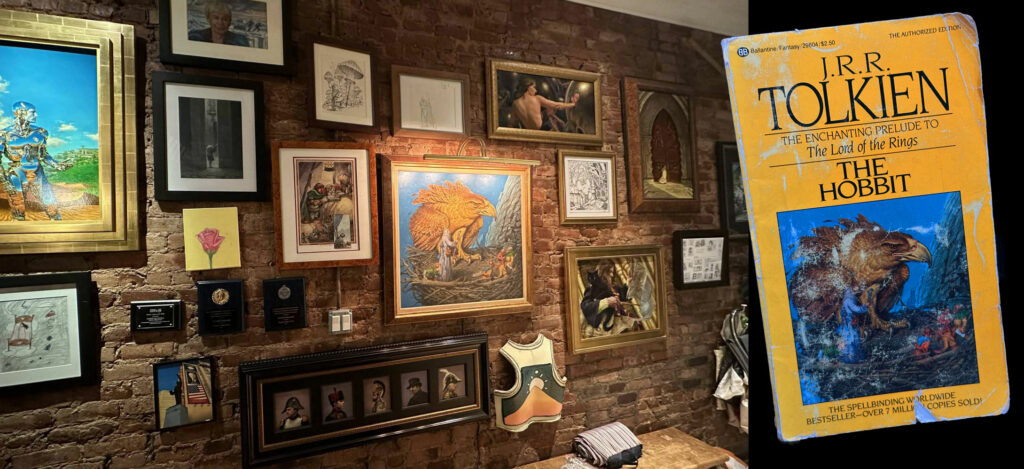
For those who may be Darrell Sweet fans, I have his original acrylic painting of the Hobbit cover hanging in our home. This was the artwork used on the paperback book I first read as a young teenager!
Heavy discounts on prints and select original artworks will be offered. I will also have a handful of sketchbooks around for browsing and a few portfolios filled with large, preliminary drawings and studies will also be on display for perusal. Stop by, take in some art, and kick back in the backyard while you enjoy a lemonade in a little part of the Shire in Brooklyn and raise a toast to Tolkien!
Even if you can’t attend in person, you could enter the Online Lottery!
For all the online audience who may not make it to Brooklyn for the Open Studio, Donato is offering an online lottery for give-a-ways, closing September 21st 11:59 PM ET. To register for the lottery to win one of the incredible gifts (listed below) simply visit Donato’s social media pages (Facebook, Instagram or Twitter) and enter a comment on the respective post for the Lottery. Or email lottery@donatoarts.com with ‘Enter’ in the subject field/message.
Items for the Online Lottery include:
– Original watercolor, Micro Painted Magic: The Gathering Artist Proof
– Bridge of Khazad-dûm 24″ x 28″ foiled and embossed print (US shipping only)
– The Great Dragon Smaug 14″ x 11″ print (US shipping only)
– Trifold Keepsake of the Bridge of Khazad-dûm and 6″ x 9″ print of Gandalf and the Balrog
One entry per person.
Sunday 22nd September – TORn’s annual Baggins Birthday Bash
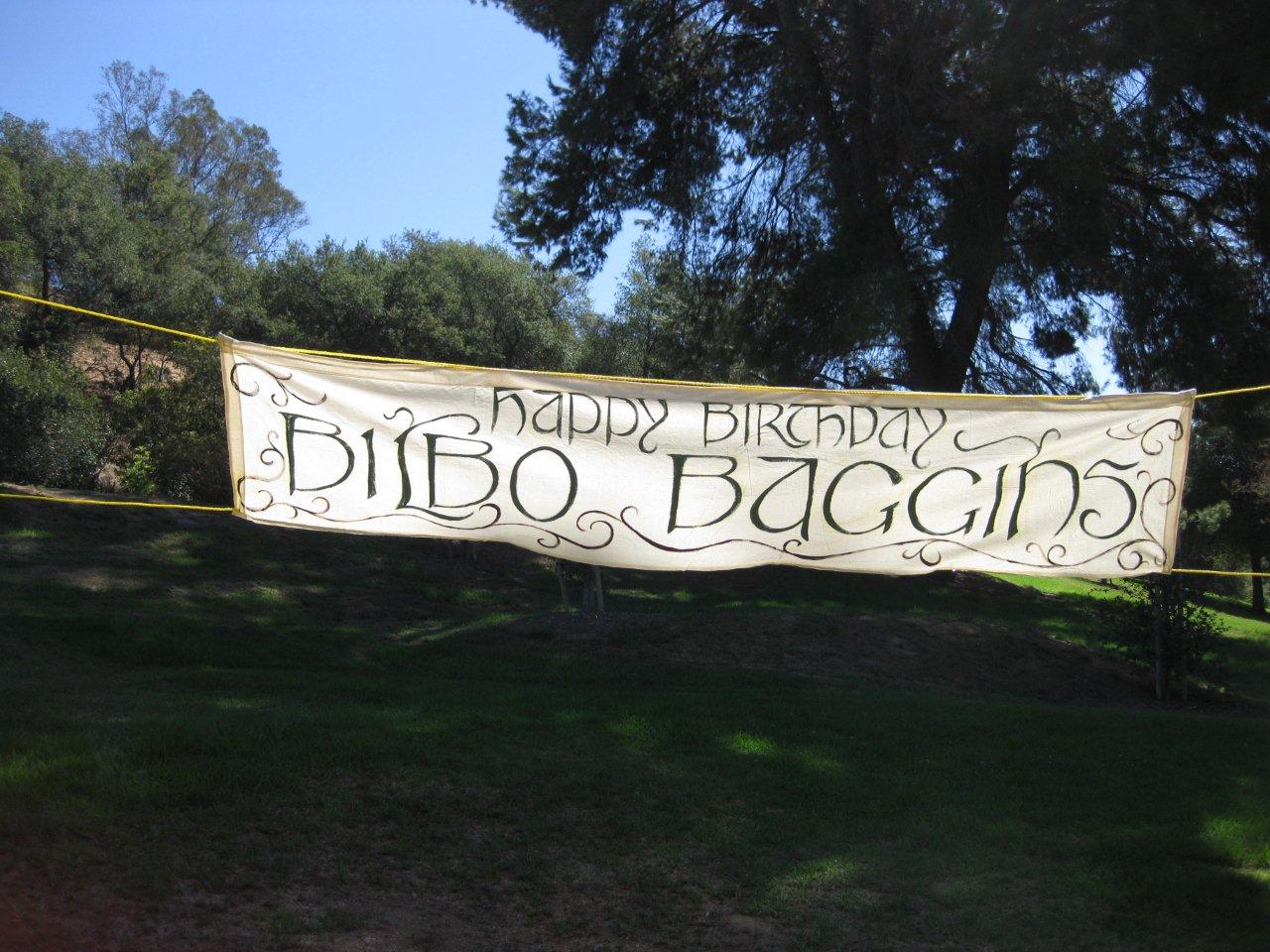
Come and eat, drink and be Hobbity with TORn! Staffers Garfeimao and Quickbeam (and others!) will be there to greet folks from 11.30am. Bring food for the potluck; or maybe even enter the Baggins Birthday Cake contest. Costumes strongly encouraged. Enjoy this very popular annual gathering of fans; all are welcome!
You can find all the details about the event here. Please note, this is event is FREE, and will be held in the Mineral Wells Picnic area of the park. There may be other happenings at Griffith Park that day – so double check the details so you know where to find us.
No doubt many fans will be gathering for festivity this weekend; let us know how you’ll be celebrating the Baggins Boys’ birthdays!