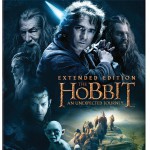
Warner Bros. has responded to TheOneRing.net’s request for further information about “The Hobbit: An Unexpected Journey” Extended Edition after fans expressed confusion and reported the sets were difficult to find.
TORn’s news leader Demosthenes posted this article about the availability of on DVD and Blu-ray to highlight the frustrations fans were bombarding TheOneRing.net with. Warner provided the following information for us to pass on to consumers:
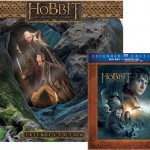
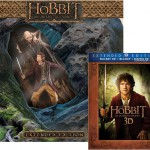
“We are thrilled at the fan reaction to The Hobbit: An Unexpected Journey Extended Edition. We’ve been made aware that certain retail outlets are sold out, and we are working as quickly as possible to replenish stock so fans can get their copies on Blu-ray 3D, Blu-ray and DVD. We understand that there is some confusion regarding what product is available at each retailer and would like to provide clarification.
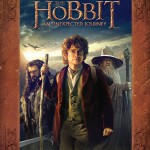
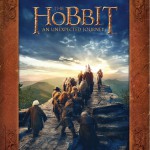
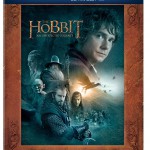
There are three products currently available at retailers nationwide:
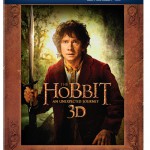
* 5-disc Blu-ray 3D + Digital HD UltraViolet
* 3-disc Blu-ray + Digital HD UltraViolet
* 5-disc DVD + Digital UltraViolet
Please note that Target will have the Blu-ray and DVD available on December 1st.
In addition to the national product, several retailers have unique product offerings as follows:
Amazon.com
* 3-disc Blu-ray + Digital HD UltraViolet with Bilbo/Gollum Statue
* 5-disc Blu-ray 3D + Digital HD UltraViolet with Bilbo/Gollum Statue
Wal-Mart
* 2-disc DVD including Extended Edition Feature Film and Special Features “The Company of Thorin,” and “Durin’s Folk: Creating the Dwarves”
Best Buy
* 4-disc Blu-ray 3D Steelbook:
– Disc 1: Blu-ray 3D Extended Edition Feature Part
– Disc 2: Blu-ray 3D Extended Edition Feature Part 1
– Disc 3: The Appendices Part 7
– Disc 4: The Appendices Part”
Editorializing a bit: The Wal-Mart 2-disc DVD probably isn’t meant for TORn readers but it is a real pity that casual buyers will fork out money for that edition and never realize that for a relatively small amount more, a treasure trove of beyond-industry-standard content awaits. (A complete review coming soon.) The home video market isn’t what it used to be, but this is a landmark title that consumers I know, including even casual fans, expect to be of the same standard as the history making LOTR EE versions. However it may serve some audiences perfectly and it may have been a way to manufacture and ship the DVDs early to impulse buyers.
By not flooding stores by Black Friday in the U.S., (an enormous retail day immediately following U.S. Thanksgiving) sales will be less than they could have been. On the other hand, many fans have echoed the same thought through social media and in our in boxes: If it takes longer to release the best possible version of film and extras, it is worth the wait. We will of course provide further information as it becomes available.
Check the gallery below to see the product specifics.
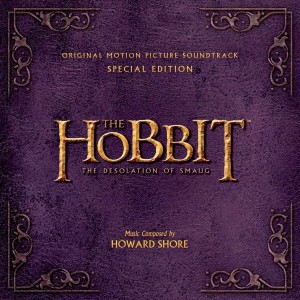
As you probably know by now, the closing credits song for The Hobbit: The Desolation of Smaug is a tune entitled I See Fire by English singer-songwriter Ed Sheeran.
At yesterday’s Fan Event, Peter Jackson said Sheeran became involved in the production after his daughter Katie introduced the artist to her parents after attending one of his shows back in March/April.
“She said that I just had to listen to him, and that he could be the perfect fit for the end of the film… and she was right.”
They noted at the time that Sheeran had a “great voice” and “great sensitivity”, then put it on the back-burner for a few months.
Part one of this spotlight on Evangeline Lilly and her character Tauriel was published yesterday. Click here to read it.
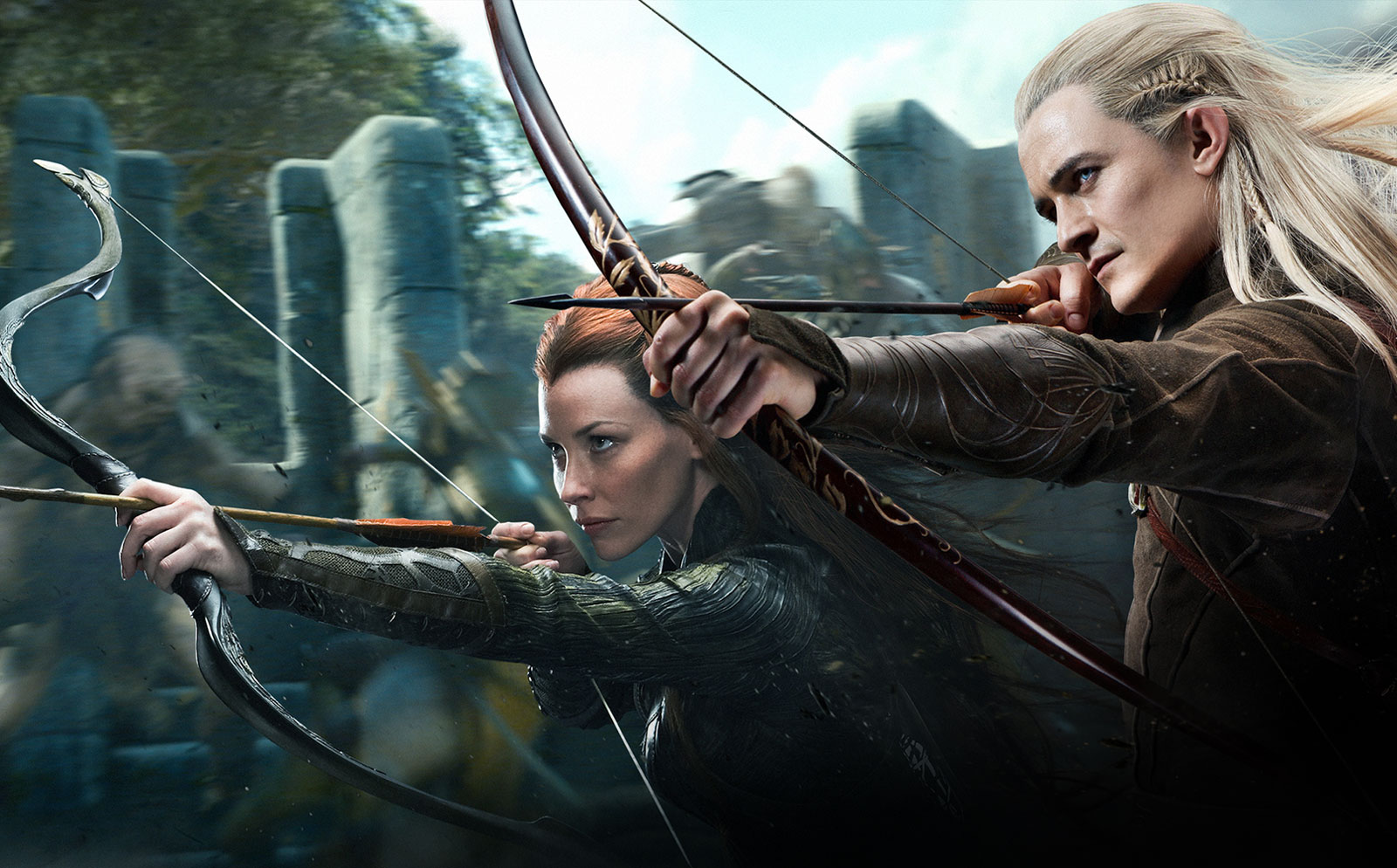
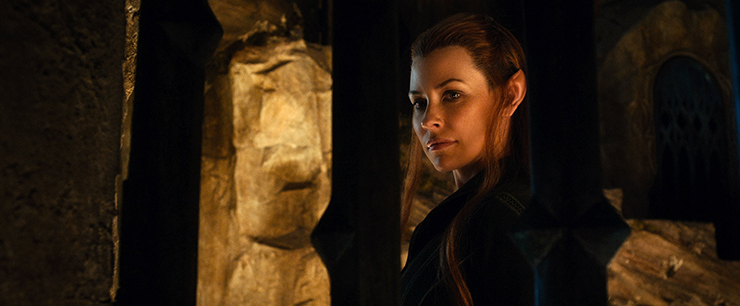
(Evangeline Lilly as Tauriel.)In the first part of this story, Evangeline Lilly discussed her childhood love for “The Hobbit,” and her decision-making process that led her to move her family to New Zealand and work with director Peter Jackson as a character not found in J.R.R. Tolkien’s 75-year-old classic. She plays an elf in the forest kingdom of Thranduil where his son Legolas also lives.
How does an actor differentiate her character in a set of films stuffed full with grand, immortal elves?
“Somebody asked me, ‘Did you study a lot of the other elves? The performances of the elves from Rings to do this role?’ I said distinctly ‘no.’ I intentionally didn’t re-watch the movies because I was afraid of trying to copy someone’s performance and I wanted it to be original.”
“All the other elves you’ve ever seen in these movies are at least twice my age, at least twice Tauriel’s age, so they are very wise and they’re very well established in their power and their understanding of the world. I’ve intentionally tried to demonstrate that she’s not there yet. She’s young, she’s only 600 years old and in elven terms, that is so young. She’s just a baby.”
Lilly is even playing some layers of the role in a way she wants those diehard fans to understand.
“I like the idea of playing with a young elf, how would they behave? How would they be different from the aged elves? And I hope that it doesn’t come across as wrong, you know what I mean? I hope it doesn’t come across to people who really know the world as she’s not quite got it down. Because that’s my goal, to not quite have it.
“She wants to be as wise, she wants to be as much of a presence as all of her elders but she’s not. She’s a kid and there’s a part of her that is always a little too excited about things or maybe a little too engaged in the world, the way kids can get. And I think that was something I wanted to tell the really diehard fans.
WELLINGTON, New Zealand — Those outside of the movie making business often don’t understand what The Producer does on a film. The quickest answer is: They get the movie made. They get things done.
In the case of Zane Weiner on “The Hobbit,” it meant getting in touch with someone nobody was meant to get in touch with.
Evangeline Lilly.
Living in Hawaii, she was a month removed from the birth of her child, email turned off, not taking calls about work and still confined to bed rest.
“So I was still in bed with the baby,” she told TheOneRing.net in full Tauriel outfit and gear during a lunch break on a full day of filming on “The Hobbit.”
This lunch tent, while perhaps not glamorous, is an essential part of Stone Street Studios and making Peter Jackson movies, designed to feed and shelter quite an enormous crowd. Breakfast was served there for anybody wanting to start the day off right. Coffee and tea were available on any sound stage but also in the tent — a first stop for many on a shoot. Continue reading “Evangeline Lilly gets personal with TORn about Tauriel and ‘The Hobbit: The Desolation of Smaug’”
If you’re one of the people avoiding the iTunes digital download option for the Extended Edition of The Hobbit: An Unexpected Journey in favour of a Blu-ray or DVD you can hold in your hot little hand, here’s something to tide you over while you wait.
Courtesy of Warner Bros., io9 has this little clip (also embedded below) of Elrond and Gandalf talking about the pros and cons of clearing Smaug from Erebor which Bilbo and Thorin happen to overhear. I won’t say anymore because I know there are a bunch of people out there studiously avoiding EE spoilers.




 As you probably know by now, the closing credits song for The Hobbit: The Desolation of Smaug is a tune entitled I See Fire by English singer-songwriter
  The
The 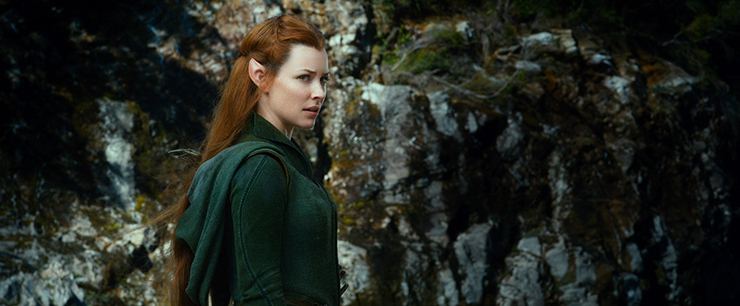
 If you’re one of the people avoiding the iTunes digital download option for the Extended Edition of The Hobbit: An Unexpected Journey in favour of a Blu-ray or DVD you can hold in your hot little hand, here’s something to tide you over while you wait.