The author of A Song of Ice and Fire (I live in hope that there will be more books!), George R. R. Martin spoke to The Independent during the Santa Fe Literary Festival.
During the chat, he spoke dismissively of the supposed rivalry between The Lord of the Rings: The Rings of Power and House of the Dragon (TLOTR: ROP is out from September 2 on Prime video, while HOTD debuts on August 21 on HBO).
The battle for fantasy supremacy. It’s The Rings of Power versus House of the Dragon — who will win? I don’t know why they always have to do that.
I hope both shows succeed.
Acknowledging his own competitiveness and desire to hopefully “succeed more”, he nonetheless declared that the existence of both was good for fantasy and science fiction and that he wants to see more such shows on television.
Maybe it’s the time zones, but I really thought that John Howe’s interview with Empire about The Lord of the Rings: The Rings of Power was coming out tomorrow. Instead, if you’re keen (and an Apple News subscriber), you can read it right now over on Apple News.
The interview expands on the teaser Empire provided the other day, that “this is not the Middle-earth you remember”. Instead, it’s a story of a different time (the Second Age), when Middle-earth was visually and politically a different place.
An excerpt:
Howe can’t elaborate on what that tale may be, but does hint that it takes place against a backdrop of “Sauron’s rise to power, the forging of the Rings of Power and the epic tale of [human city] Númenor” — all events with important repercussions for Middle-earth.
“I was convinced the Hobbit trilogy would be the last we’d see of Middle-earth on film,” Howe admits, explaining that it took an exciting new approach to Lord Of The Rings lore to unlock a story worth telling.
Empire’s forthcoming “Summer Preview” issue is set to include an interview with John Howe about his role as concept artist for Prime Video’s The Lord of the Rings: The Rings of Power TV series.
They’ve posted an enticing preview snippet of Howe sharing his thoughts about we ought to expect from the series in which he empahsises just how different Second Age Middle-earth is from the Third Age world that many are more familiar with.
“This isn’t the Middle-earth you remember,” he says.
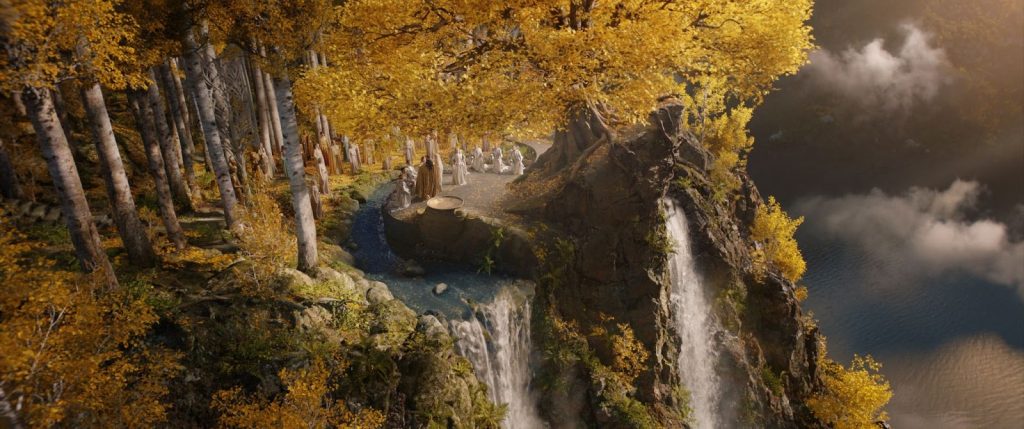
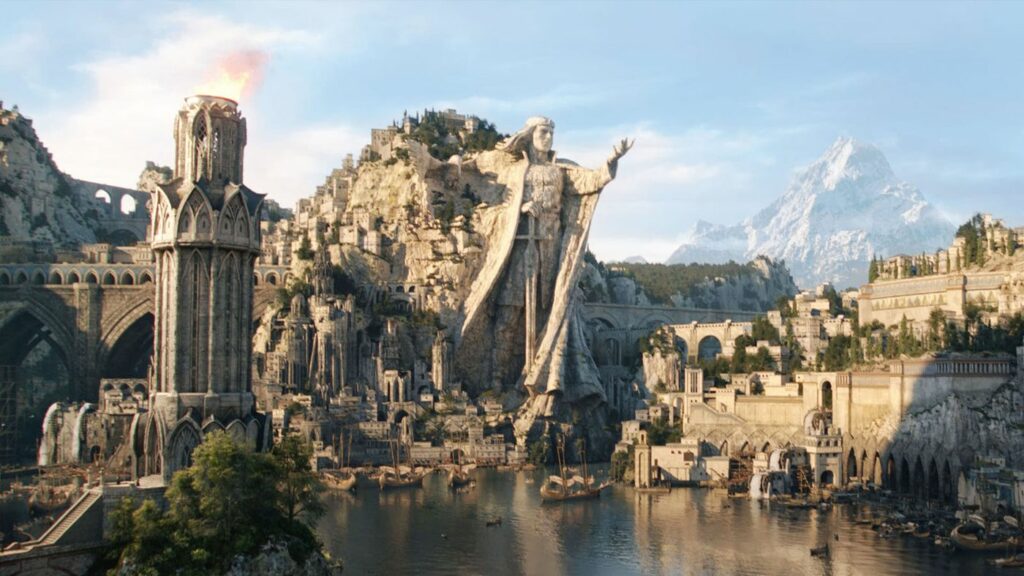
“This is a world that’s very vibrant. The elves are not hidden away in Mirkwood or lingering in Rivendell. They’re busy constructing kingdoms. The dwarven kingdom of Moria is not an abandoned mine and the Grey Havens is not yet an abandoned city. I loved having the opportunity to explore that unseen history.”
He also talks about how this story is also taking to the seas.
“We’re finally sailing on the oceans of Middle-earth,” teases Howe, promising a set of sea-faring elves. “They’re daunting and enterprising and are almost colonising the world. They were a lot of fun to imagine. It’s something neither Lord Of The Rings nor Hobbit movies went anywhere near.”
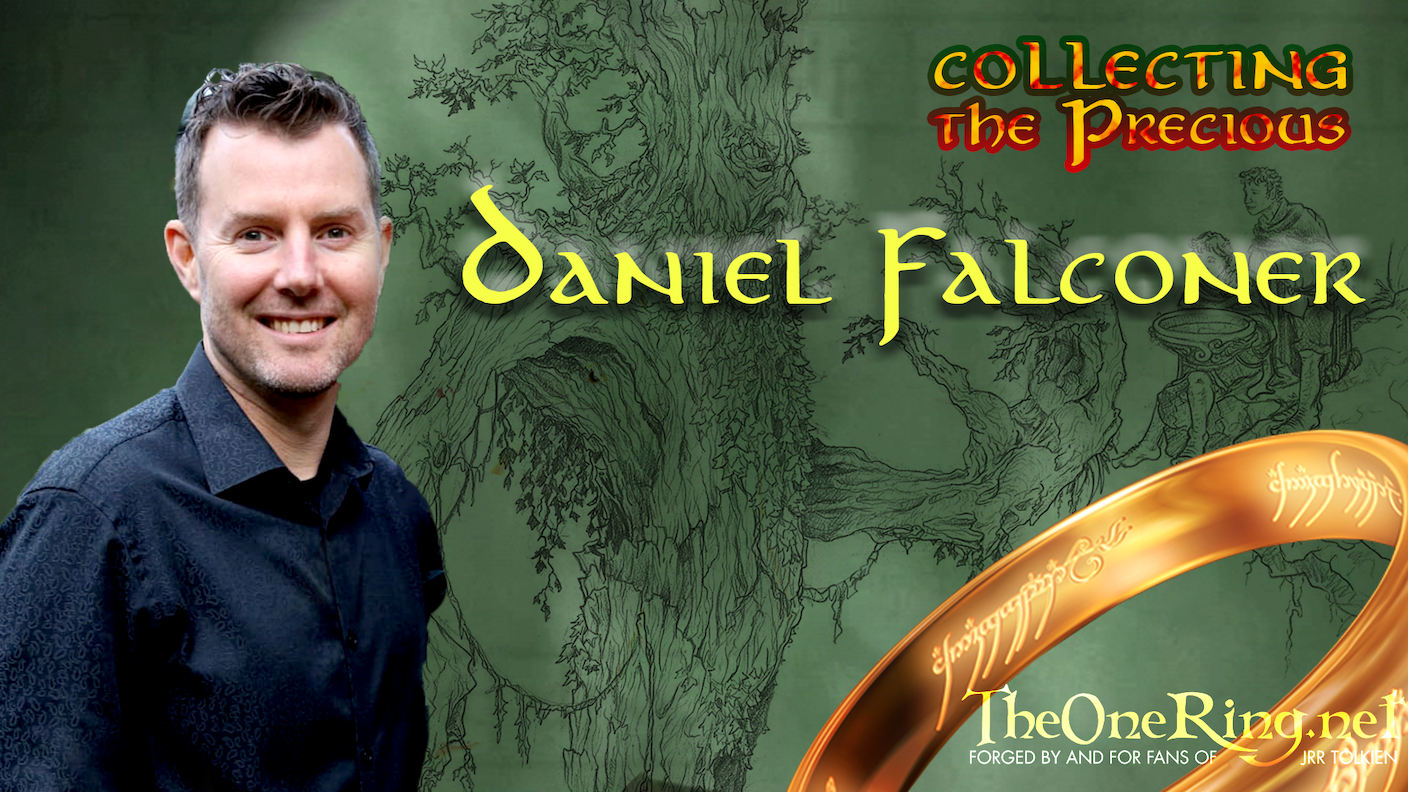
Last month we had the awesome privilege of sitting down with Daniel Falconer of Weta Workshop. We talked about the last 20 years of collecting Middle-earth, and how things have changed over those years. We also chatted about current stuff like the new Strider Statue; the things to come; and the hopes for items we may see in the next 20 years. You all are going to love this lengthy conversation, as we pick Daniel’s brain and get into all the stuff he’s seen over the last 20 years at Weta Workshop. We at TORn thank Daniel for his time, and Weta Workshop for lending him to us for a couple of hours!
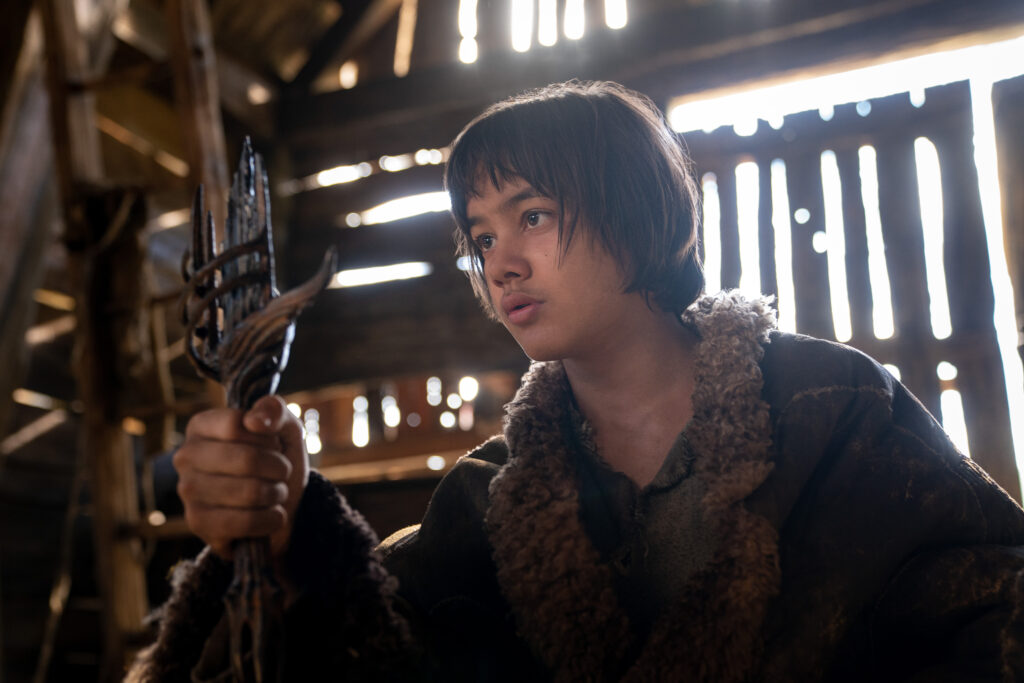
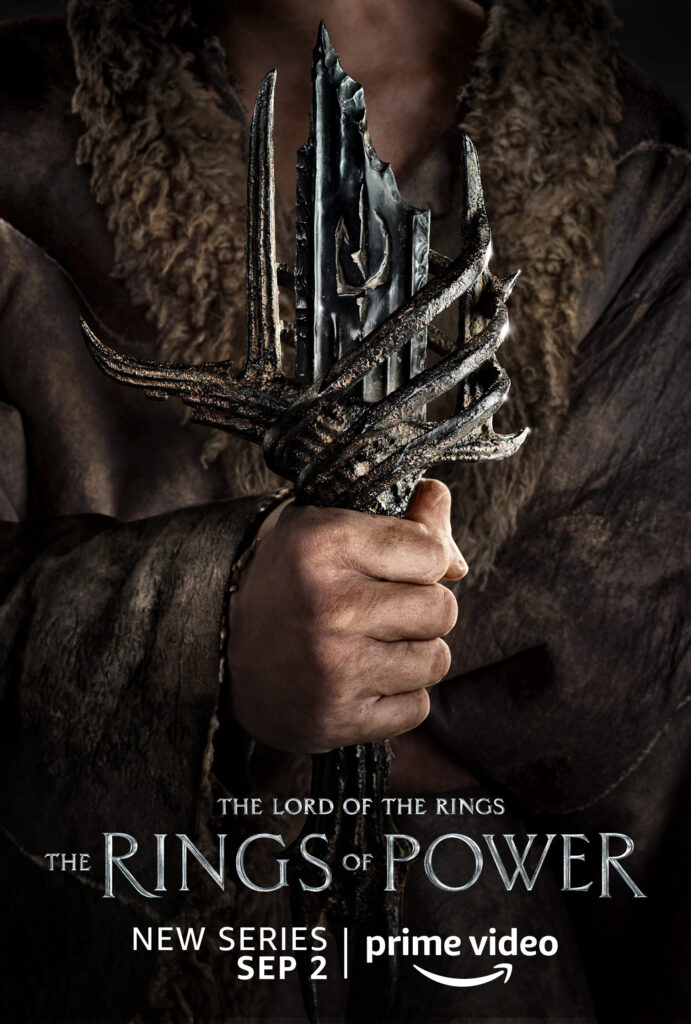
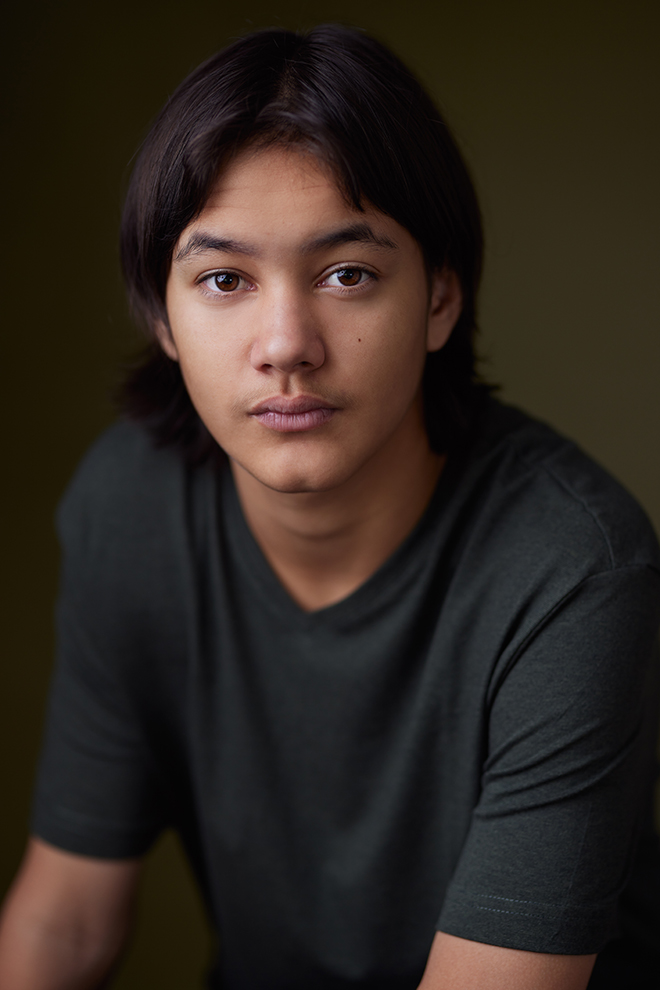
Theo, played by Tyroe Muhafidin, has joined the list of characters now confirmed as denizens of the Second Age of Middle-earth in Prime Video’s upcoming Rings of Power series. Living with his mother, Bronwyn, in the village of Tirharad, we still know little about Theo’s story or character. We do know, though, that whatever is to come will be entwined with one of the more menacing weapons that Amazon has also revealed: a broken sword and possible family heirloom.
Tyroe Muhafidin as Theo. Credit: Ben Rothstein, Amazon Prime Video
We have seen this sword before, revealed in a series of hands-centric posters that Prime Video released in February. We are still left to speculate about the origin and nature of this broken heirloom – possibly marked by Black Speech – and how Theo and his mother come to possess it. Could this have been crafted by Sauron/Annatar during his seductive stay on Númenor? A remnant of a past migration of Black Númenoreans as they colonized Haradwaith to the south of Gondor? A family heirloom from an absent father, now consumed by a piece of jewelry more powerful than he bargained for?
Credit: Amazon Prime Video
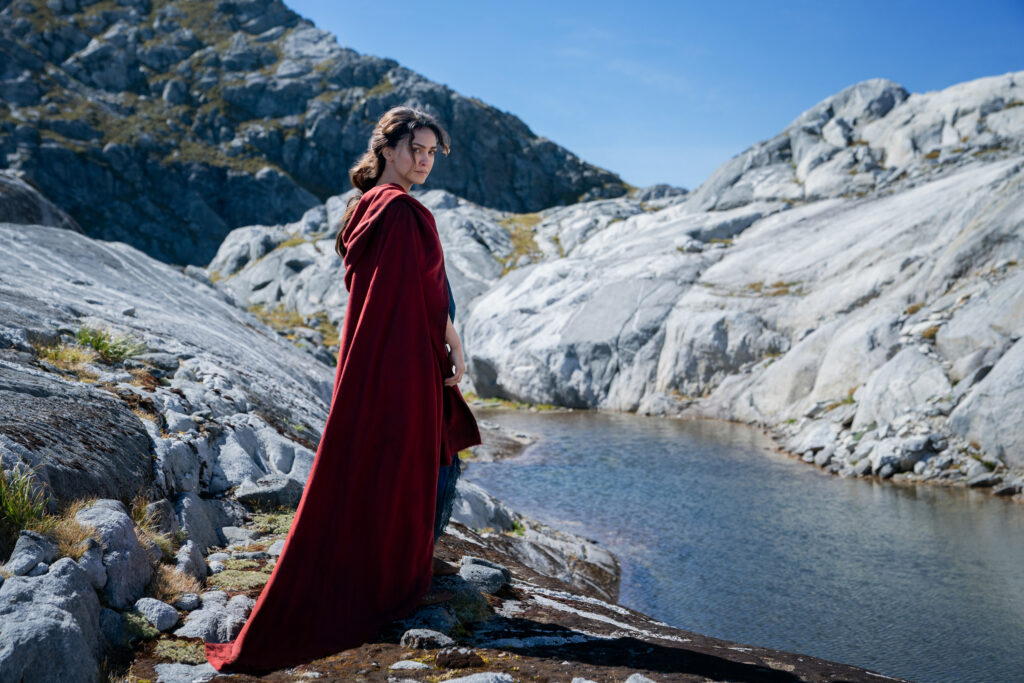
With Theo’s arrival, we are beginning to see some facets of a fuller family in this branch of the storyline that the Rings of Power writers have been crafting. Bronwyn, played by Nazanin Boniadi, is a single mother and village healer, living in apparently rustic conditions with her son well to the south of more familiar Lord of the Rings landscapes. But we know there must be more, even without that broken sword. Bronwyn has a romantic connection with the Sylvan Elf Arondir, played by Ismael Cruz Córdova. (How does Theo feel about that?) And now we also know that Nazanin Boniadi can strike a classic “New Zealand is Middle-earth” pose with the best of our Second Age heroines.
Nazanin Boniadi as Bronwyn. Credit: Ben Rothstein, Amazon Prime Video
And again, we’re left with more questions than answers. Where is Bronwyn headed? Does her regal robe reveal that “village healer” is only a part of her story? Can we get some GPS coordinates for this shooting location? How many cosplay homages will this photo inspire?
Tyroe Muhafidin is a 16-year old Australian actor who has appeared in an array of short films and television series, including Dusk (2018) and Caravan (2019). This will be his first appearance in a major role.
Tyroe Muhafidin
Prime Video’s The Lord of the Rings: The Rings of Powerbrings to screens for the very first time the heroic legends of the fabled Second Age of Middle-earth’s history. The series will launch on September 2, 2022.
One does not simply walk into Mordor, right? Well, now you can with this new fitness challenge app from The Conqueror. You can also run, cycle, or even swim your way to Mt Doom.
The Conqueror specializes in virtual fitness challenges that allow people to gamify exercise and map their progress to different virtual scenarios such as scaling Mt Fuji, or Mt Everest, or walking the Great Wall of China.
For their newest offering, they’ve teamed with Warner Bros. Consumer Products to give people the opportunity to virtually replicate Frodo and Sam’s mammoth trek all the way from Bag End in The Shire to the fires of Mt Doom.
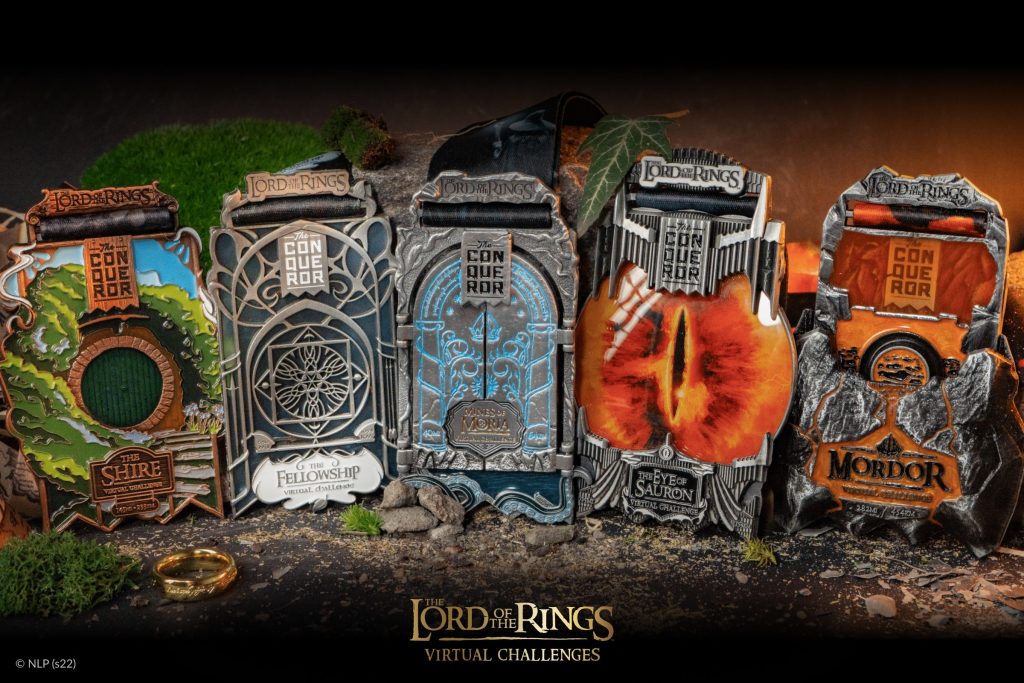
The Conqueror’s THE LORD OF THE RINGS Virtual Challenge Series.
There are five successive challenges in the new Lord of the Rings series, each unlocking the next as it’s logged and completed by participants on the app. The app uses a custom-made map of Middle-earthapp to track and display progress, taking participants on an immersive journey to destroy the One Ring.
Basically, if you’re looking for Lord of the Rings fun while getting healthier and more fit, this could be just the thing for you. It does cost money, but it also comes with some pretty sweet swag as well.
Bootnote: When some fans reached out to us with news of this new LOTR-based fitness app, we decided to take the step of confirming its authenticity and reached out to The Saul Zaentz Company, the current holders of The Lord of the Rings merchandising rights. They have assured us that this is an official product that is properly licensed via Warner Bros. Consumer Products.