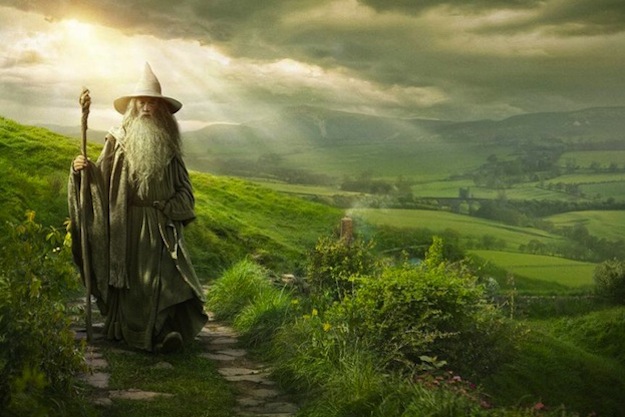
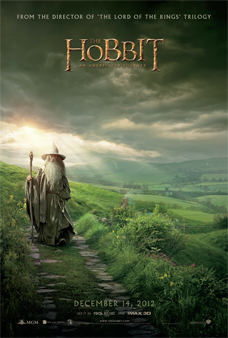
Often, when a lengthy discussion of the Hobbit films takes place, someone asks “What about the other books? What about material from The Silmarillion, or Unfinished Tales? Will these be adapted to the big screen?”
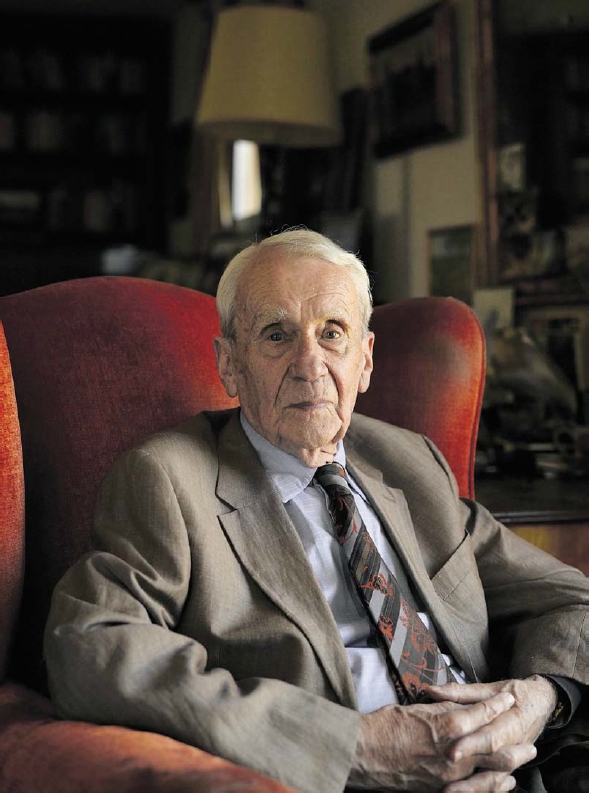
The answer to this question is a simple one. As it stands, the literary executor of J.R.R. Tolkien’s work, his son, Christopher Tolkien, has refused to consider any further licensing of his father’s work for cinematic purposes.
Many fans are quite frustrated by this state of affairs. They know there is interesting material contained in these other sources, such as the well-known “Quest for Erebor.” That one short work alone would illuminate in key ways the motivations and decisions of principal characters in the films. (For the curious, the Quest for Erebor may be found in a shortened form in “Unfinished Tales”, and in a fuller form in the revised edition of Douglas Anderson’s “Annotated Hobbit.”) Continue reading “Concerning Christopher – An Essay on Tolkien’s Son’s Decision to Not Allow Further Cinematic Licensing of His Work”
If you have a Tolkien/Middle-earth inspired poem you’d like to share, then send it to poetry@theonering.net. One poem per person may be submitted each month. Please make sure to proofread your work before sending it in. TheOneRing.net is not responsible for poems posting with spelling or grammatical errors.
“Then at last his gaze was held: wall upon wall, battlement upon battlement, black tower of adamant, he saw it: Barad-Dûr, Fortress of Sauron. All hope left him.”
—The Fellowship of the Ring
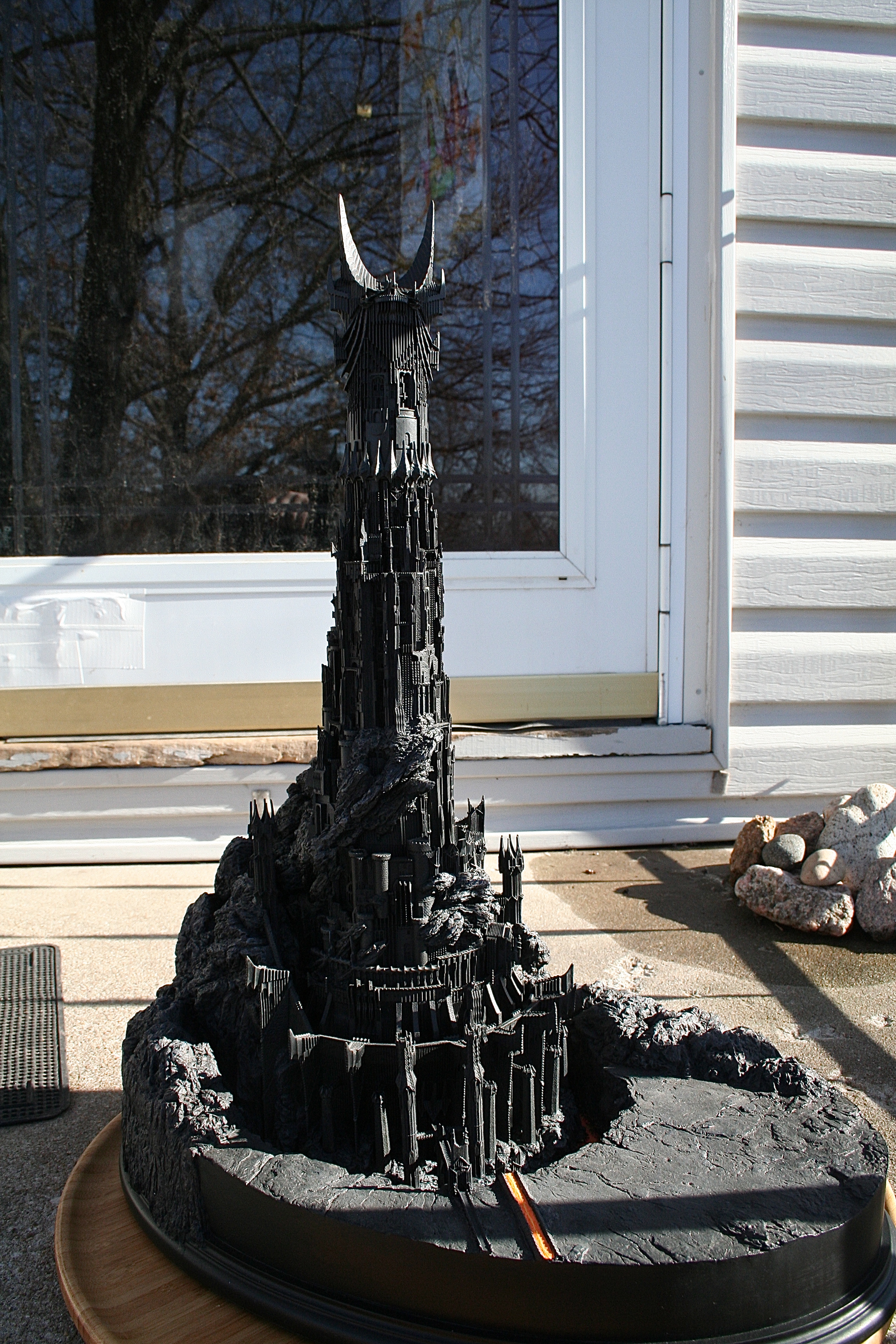
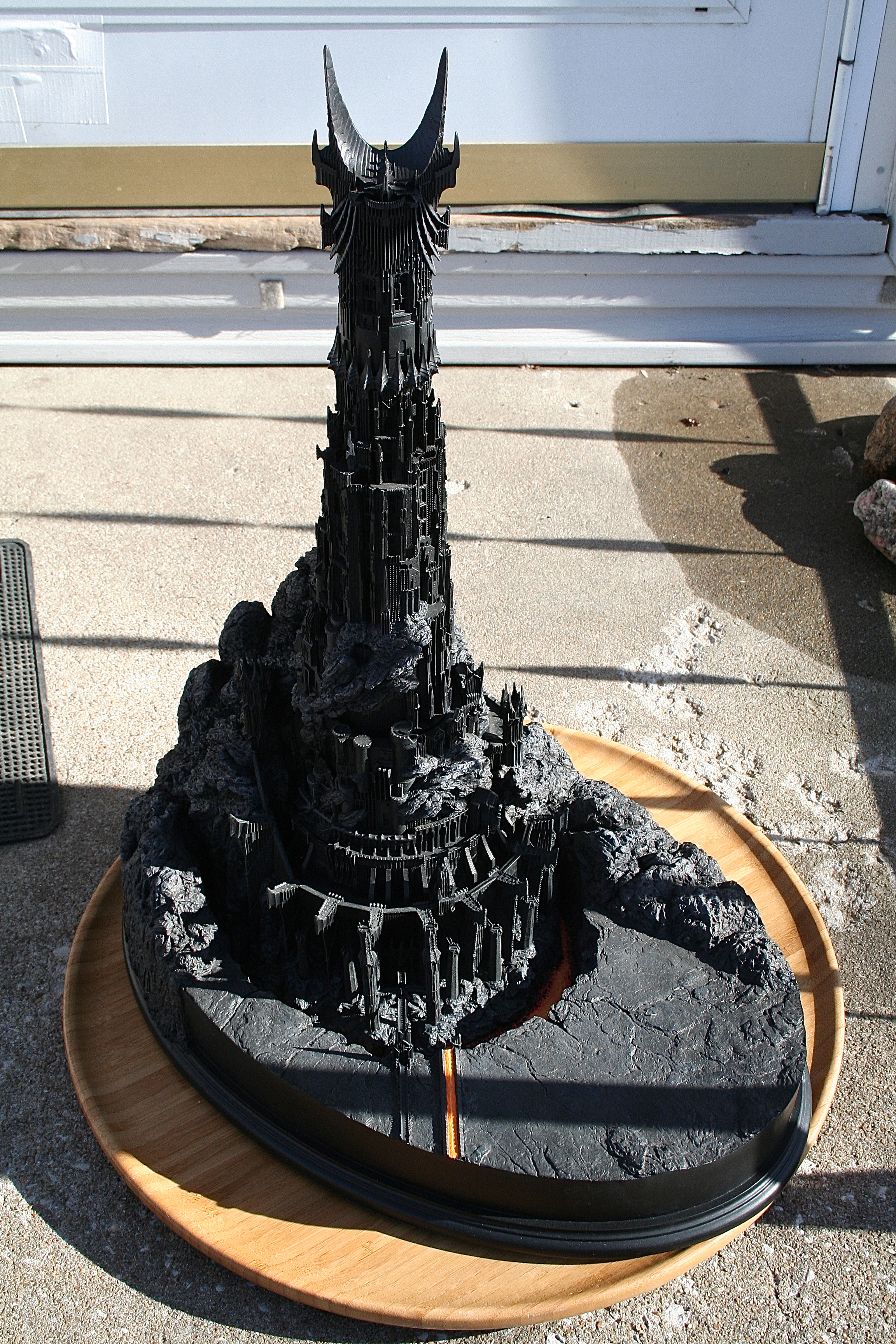
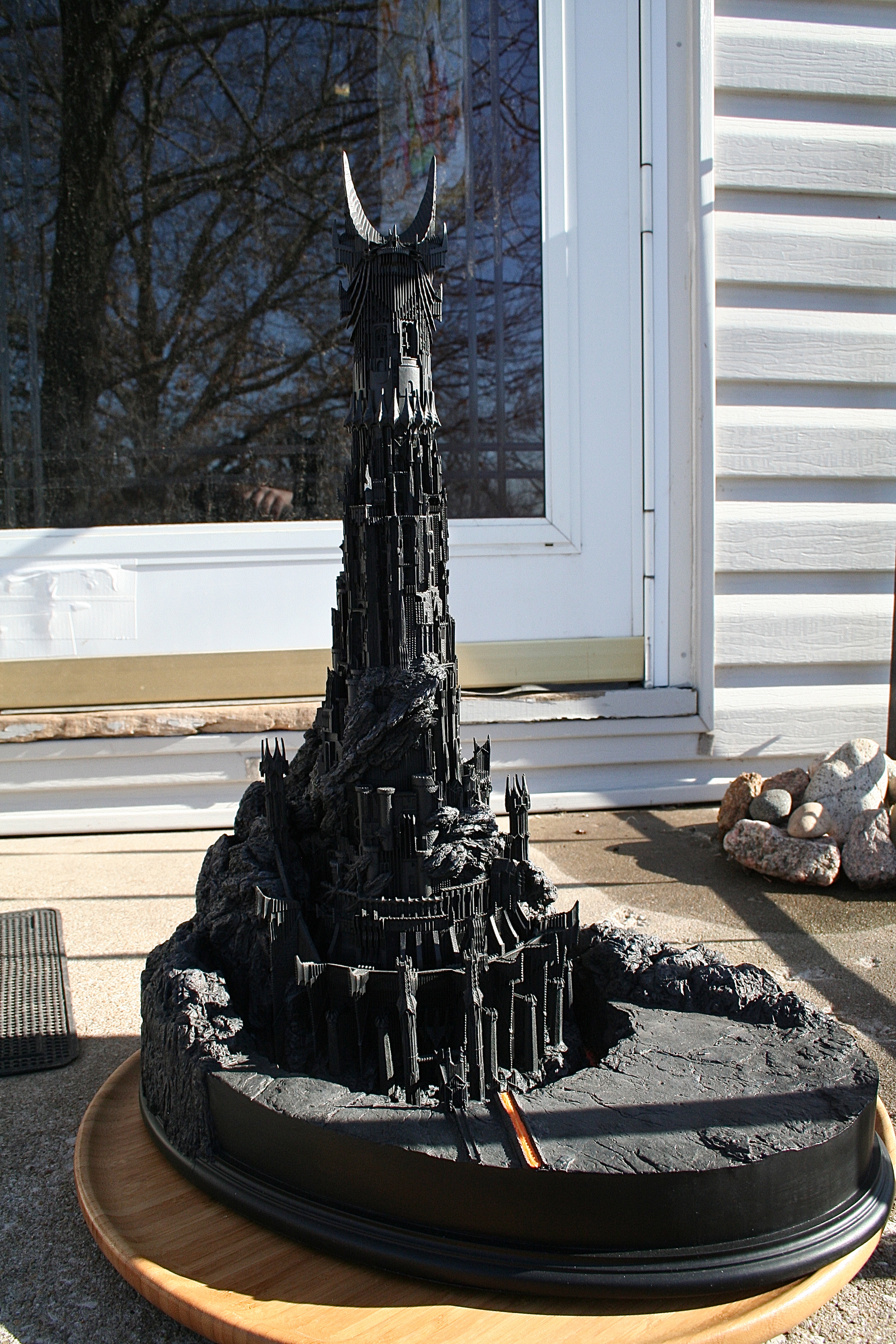
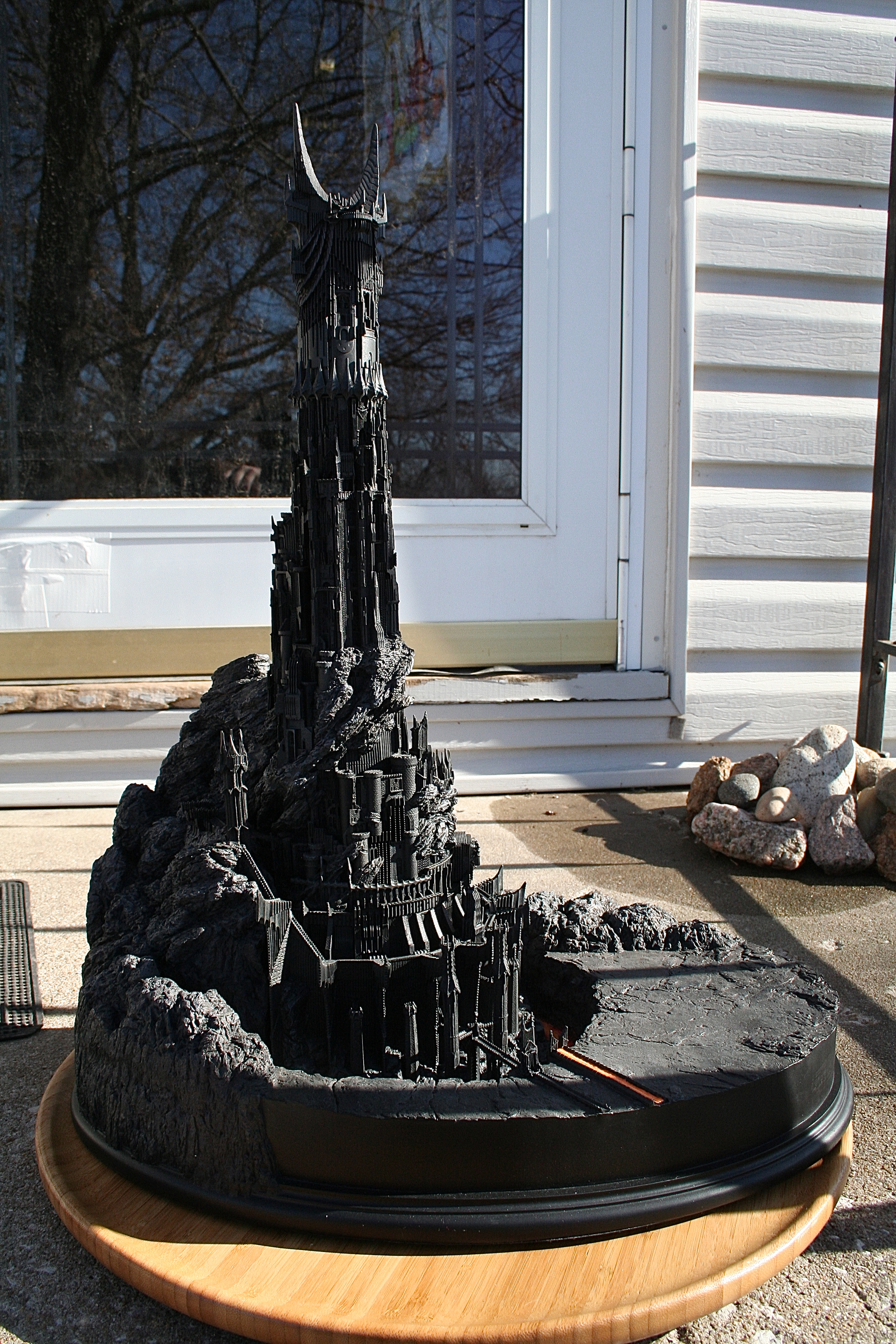
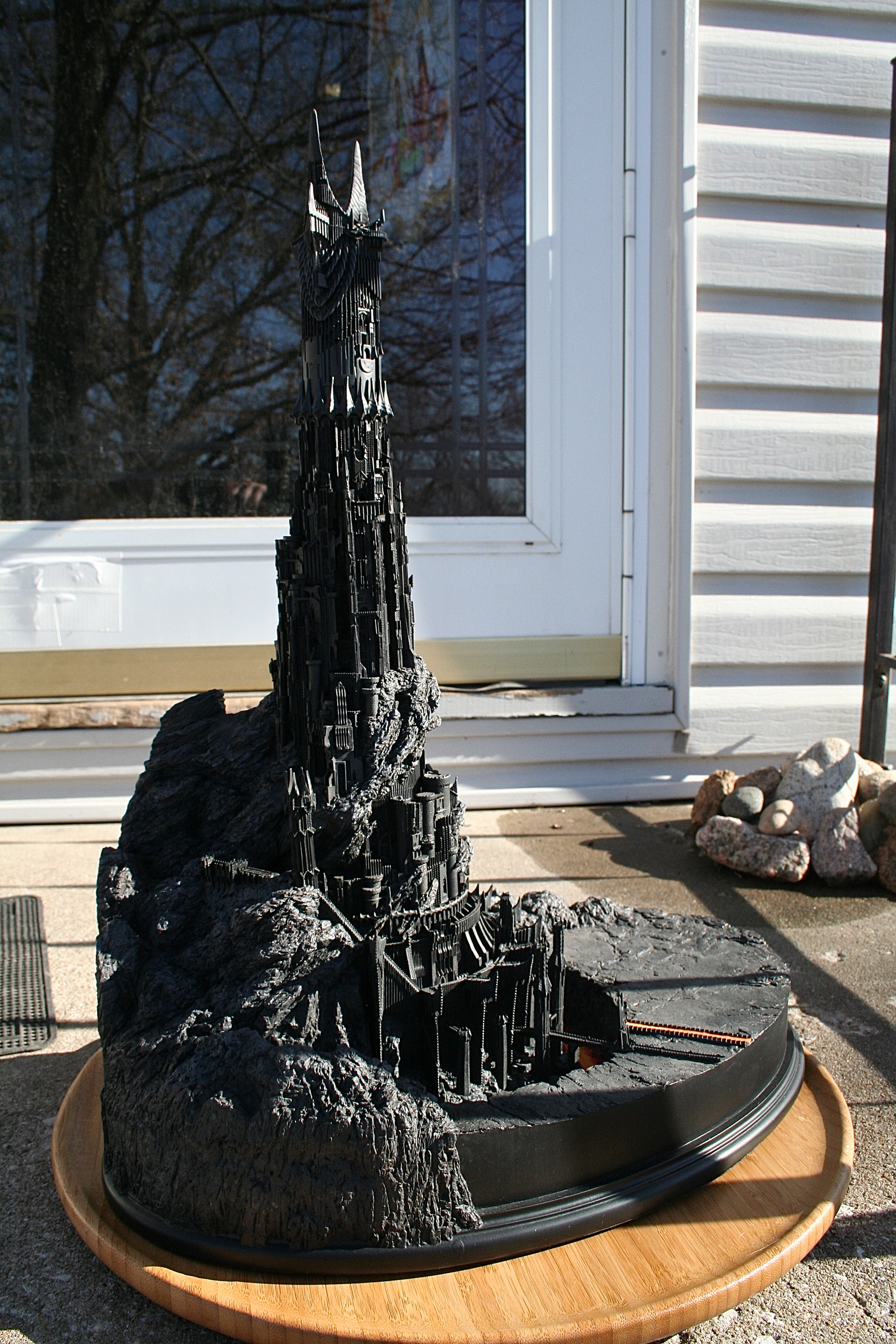
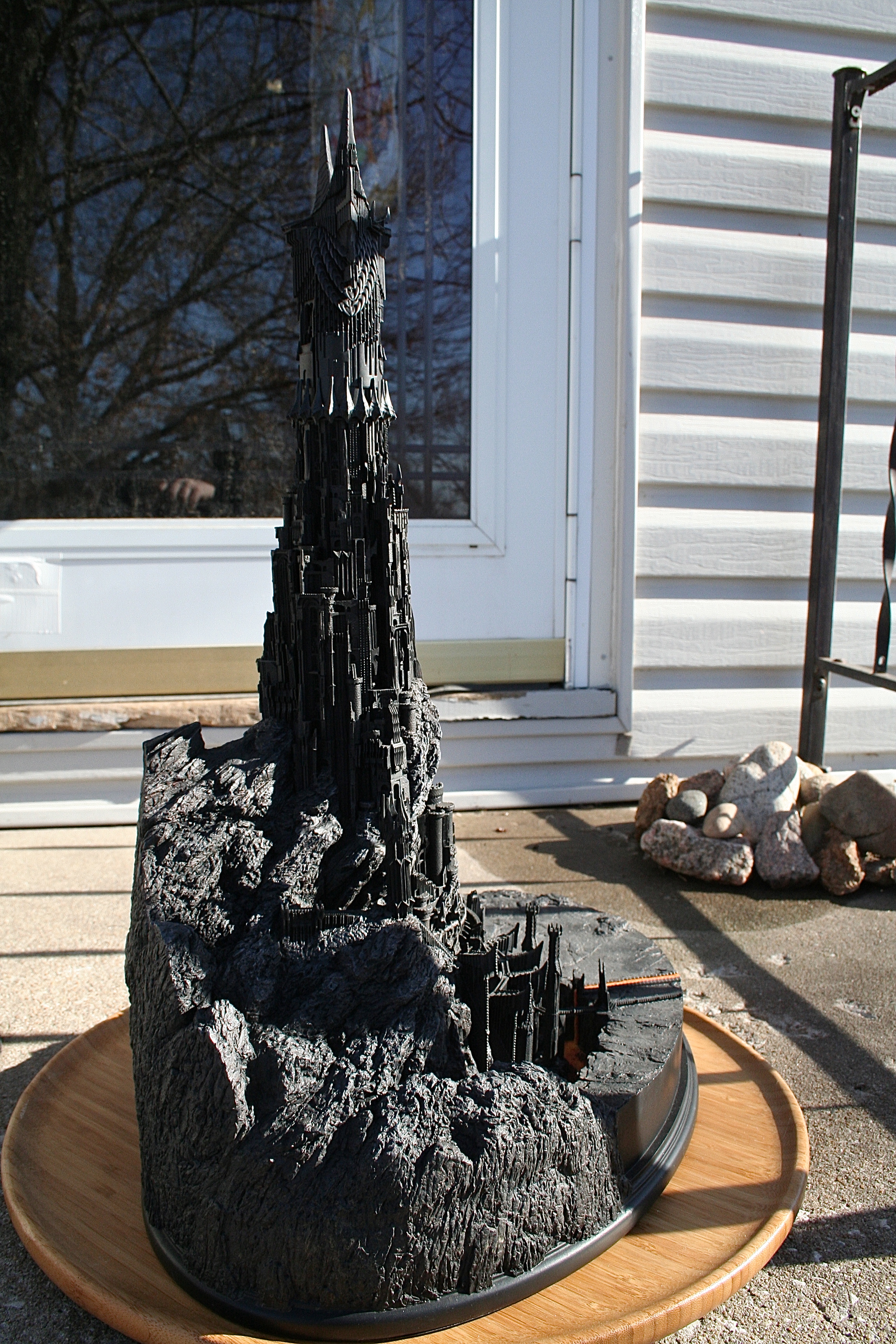
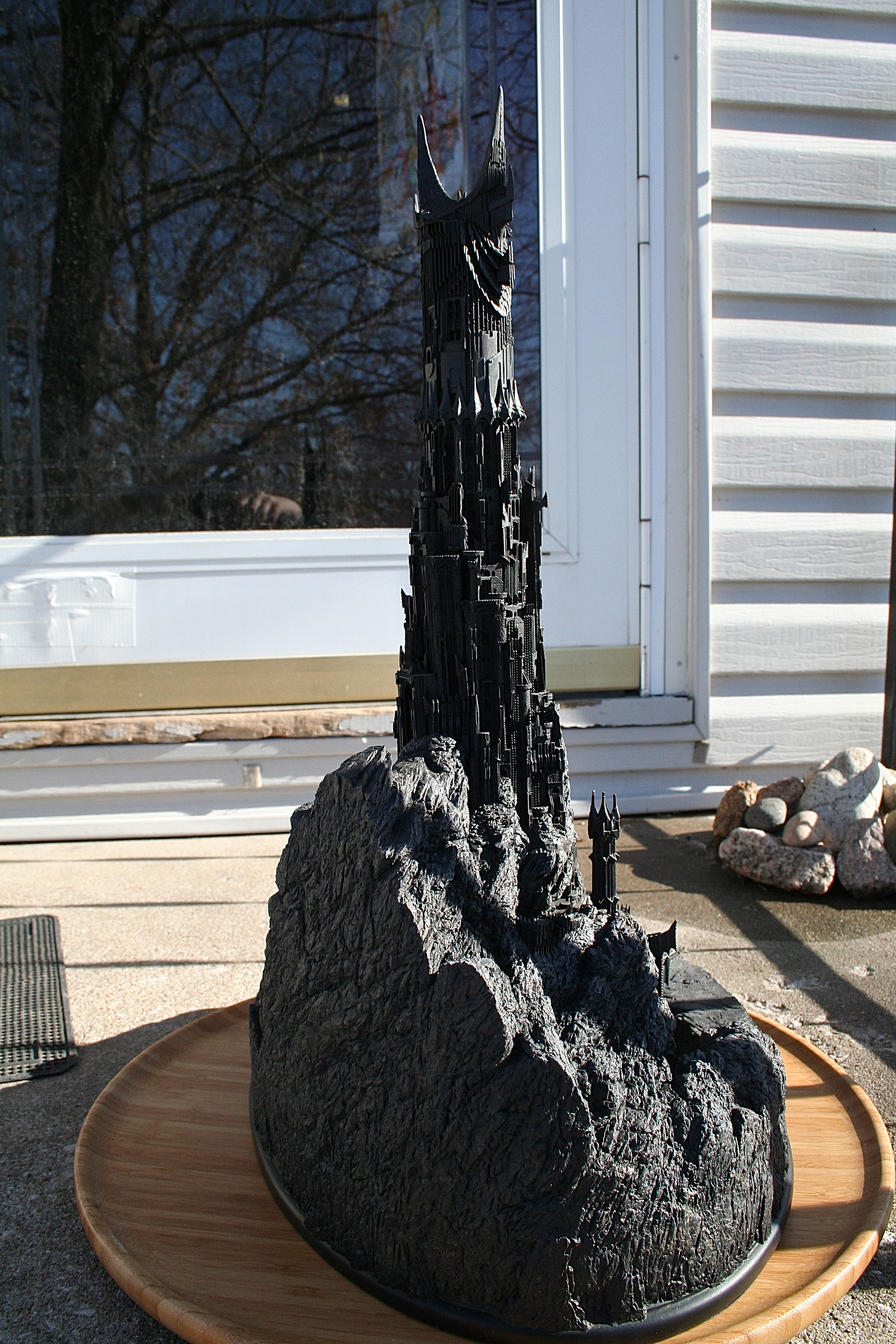
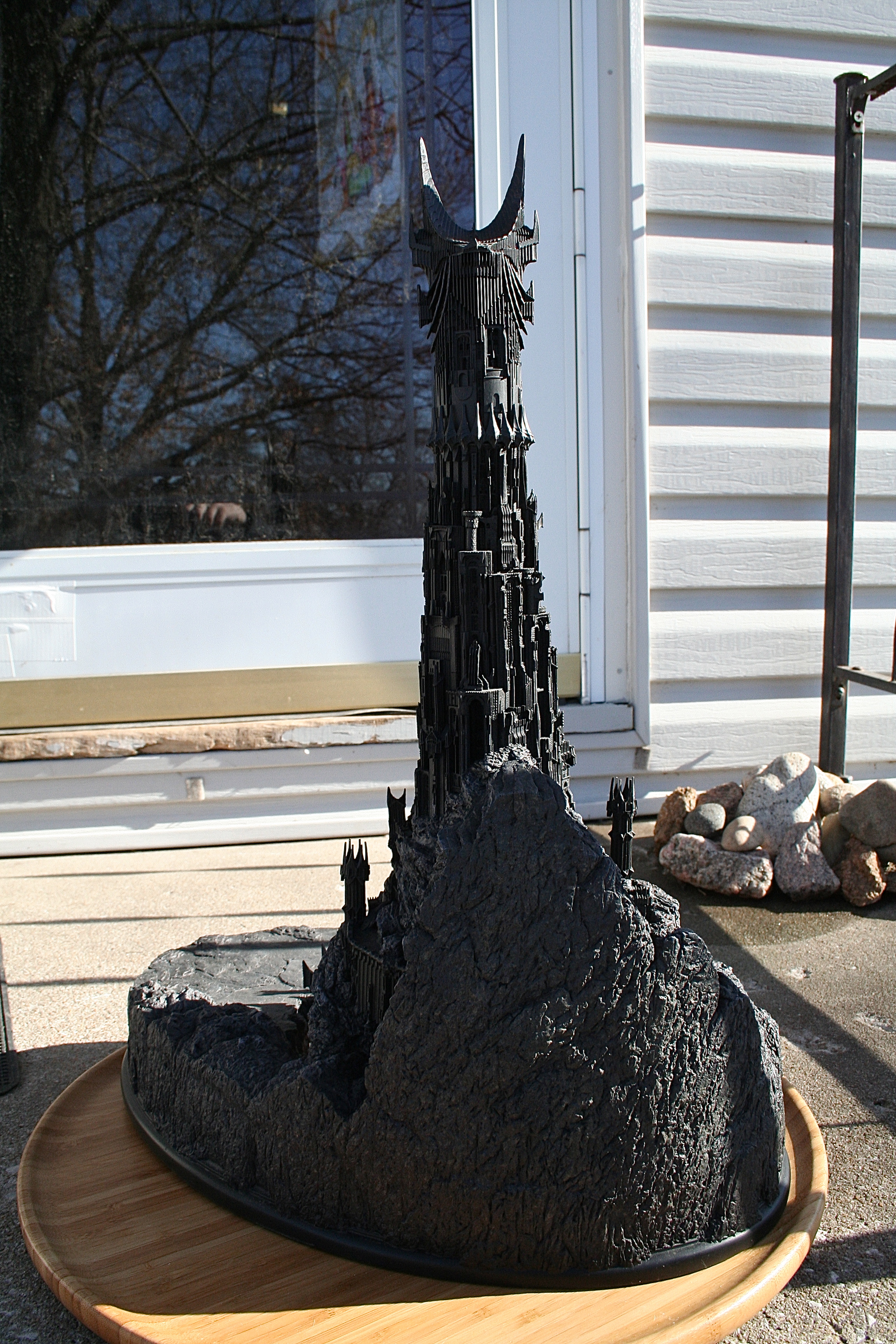
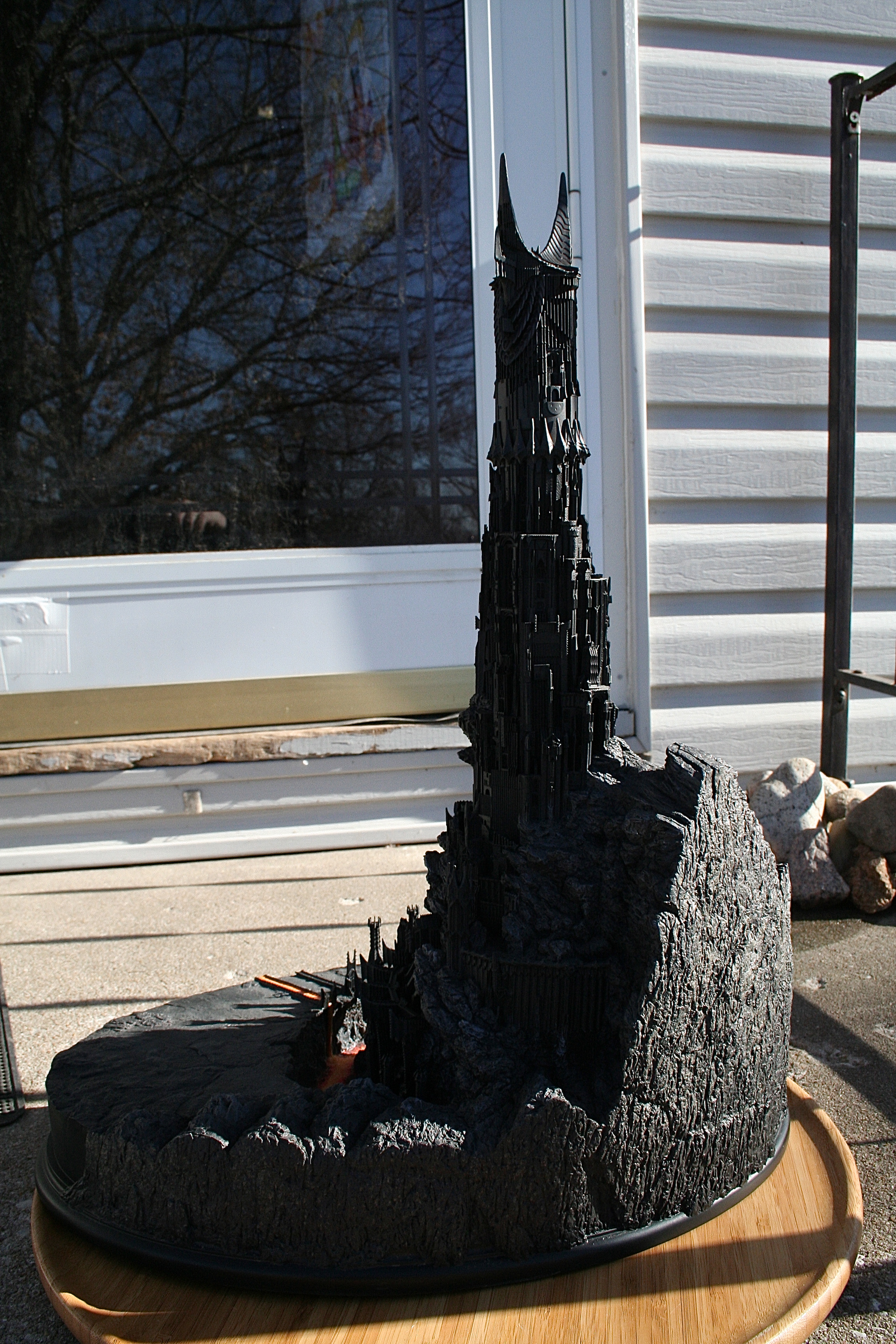
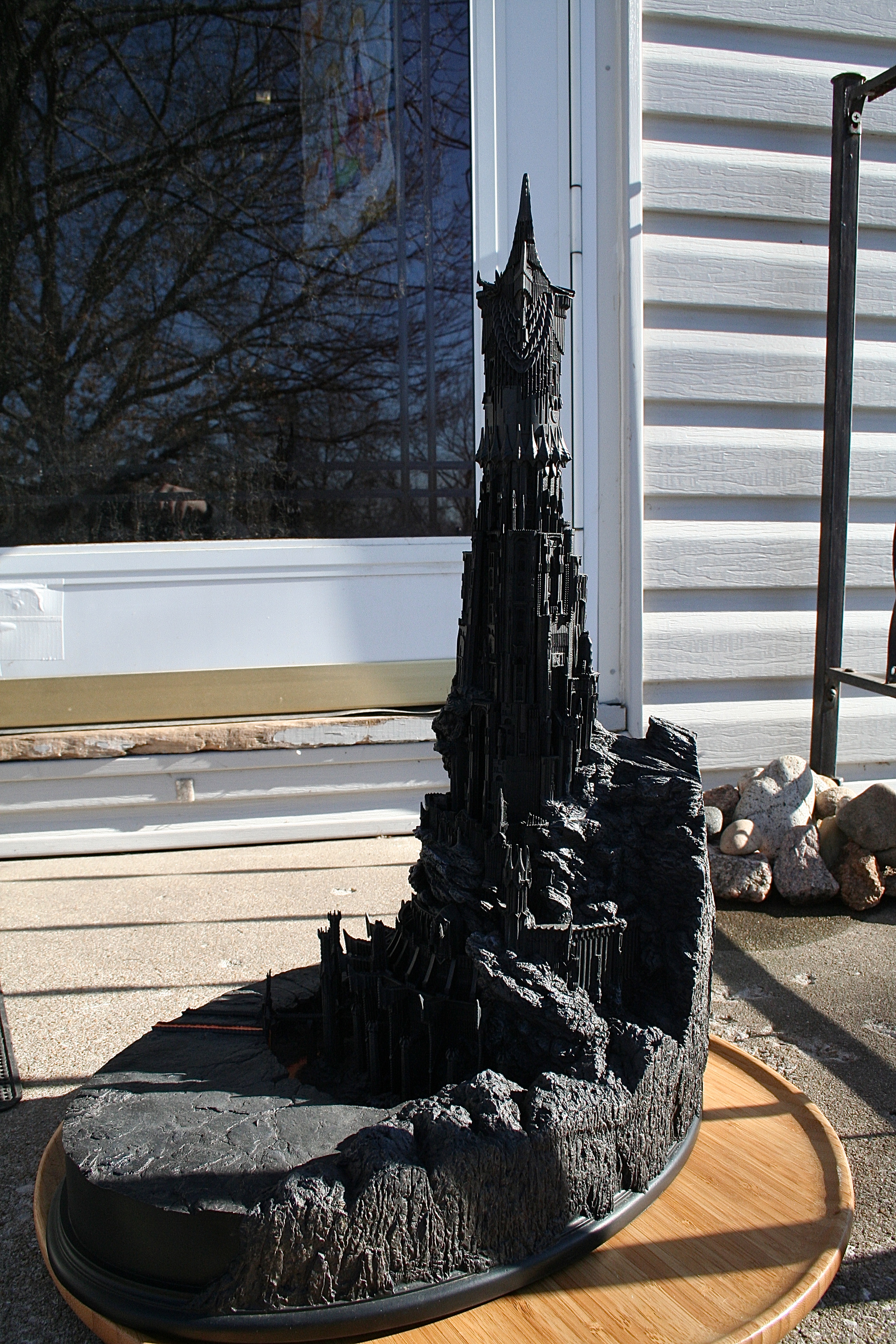
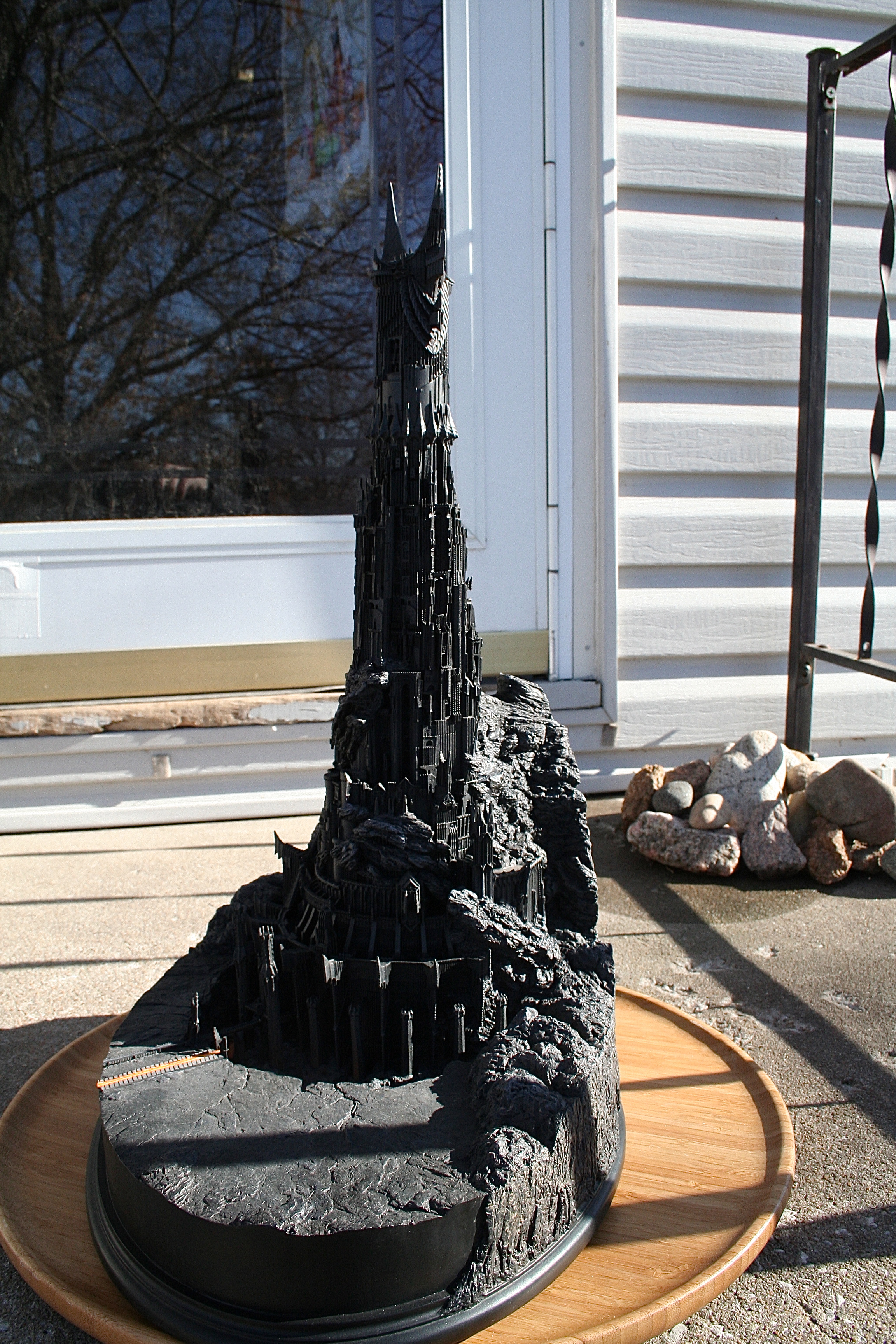
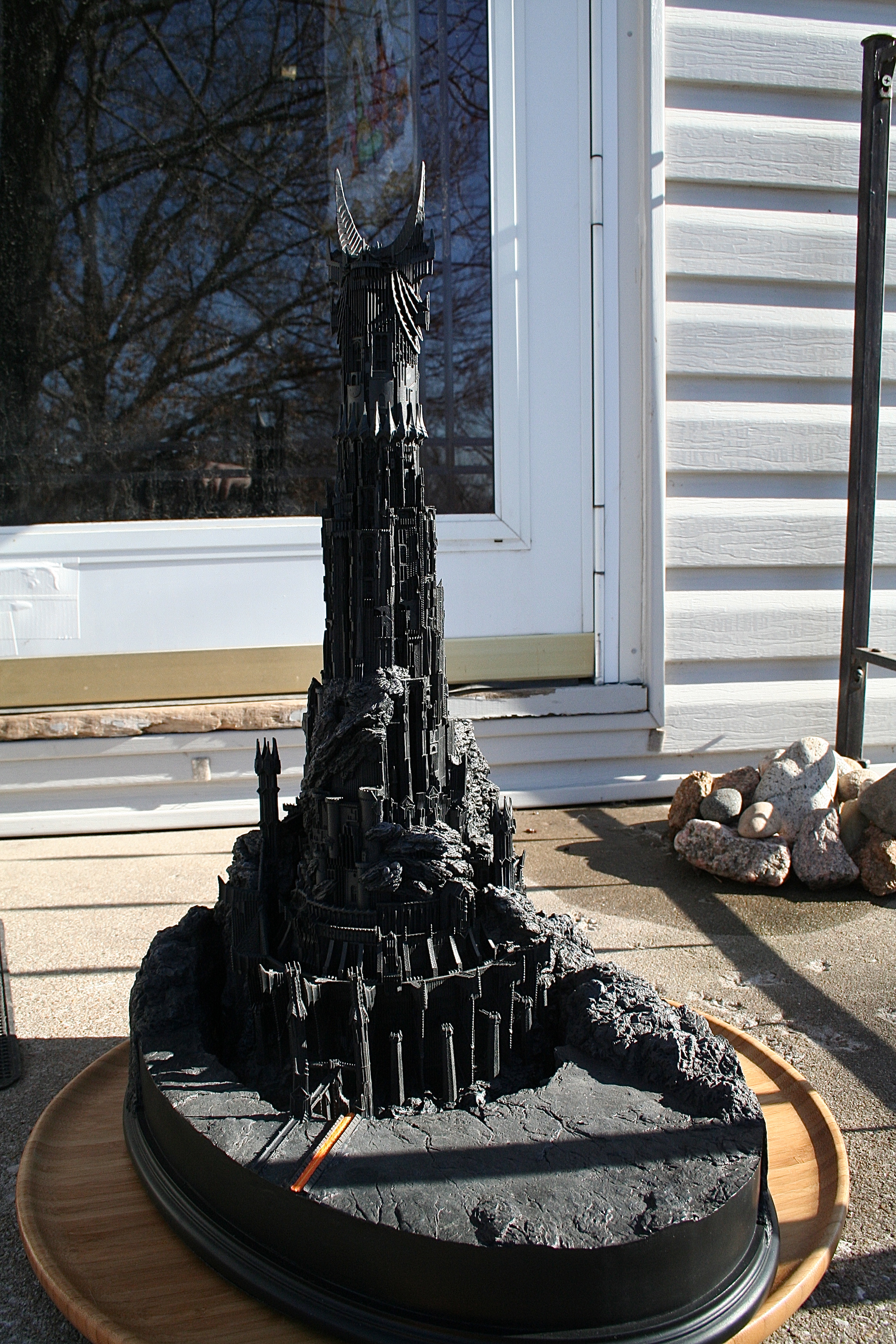
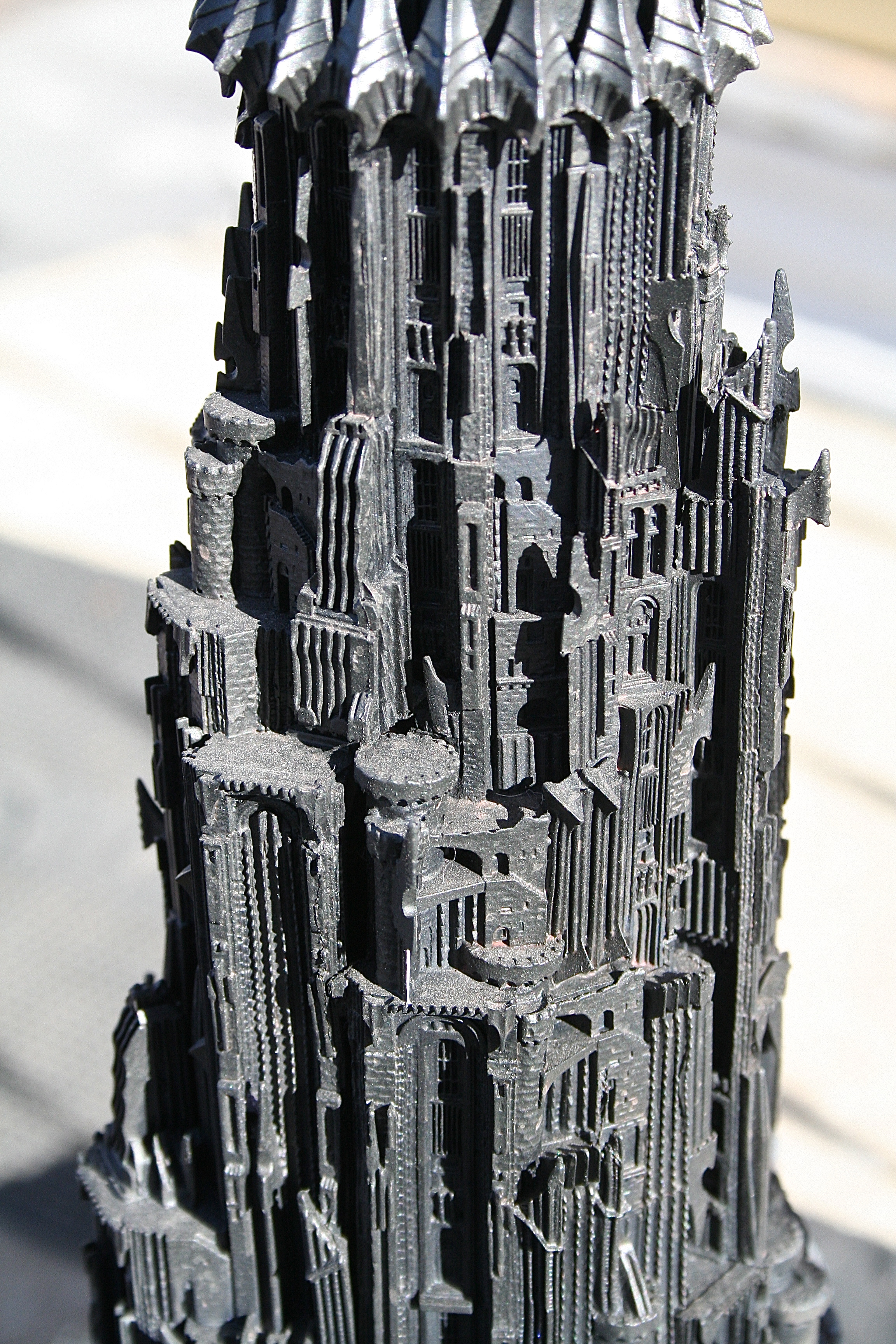
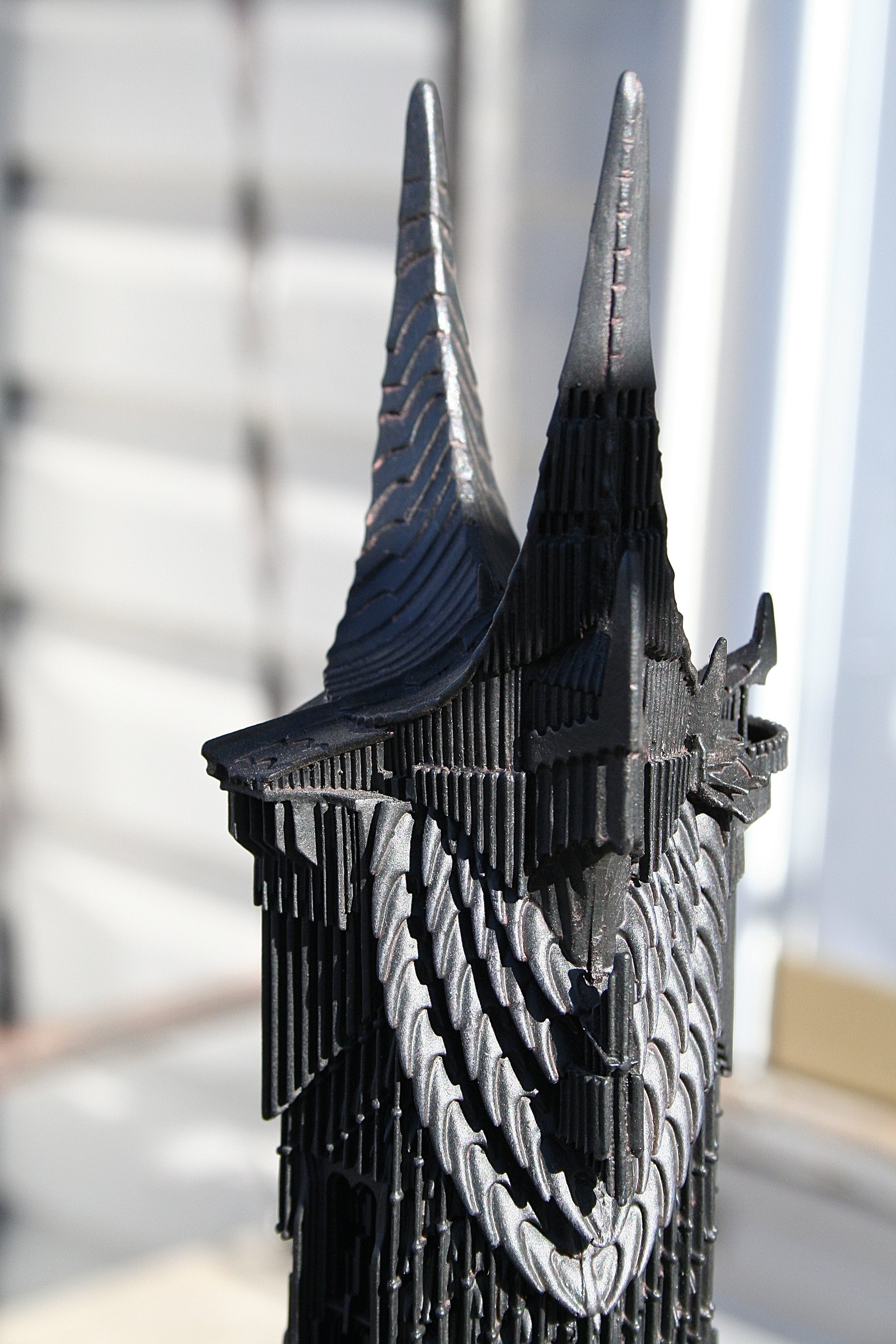
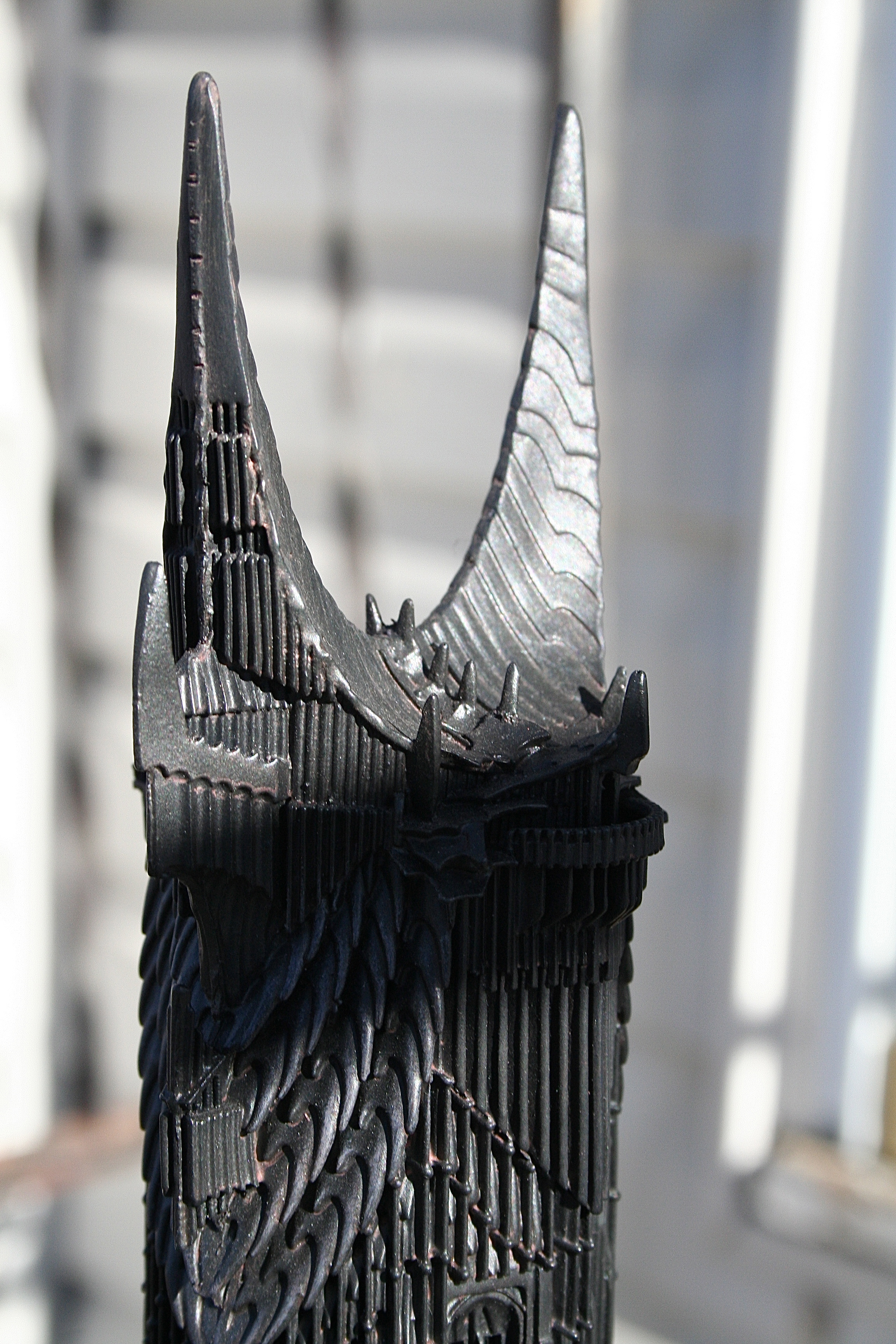
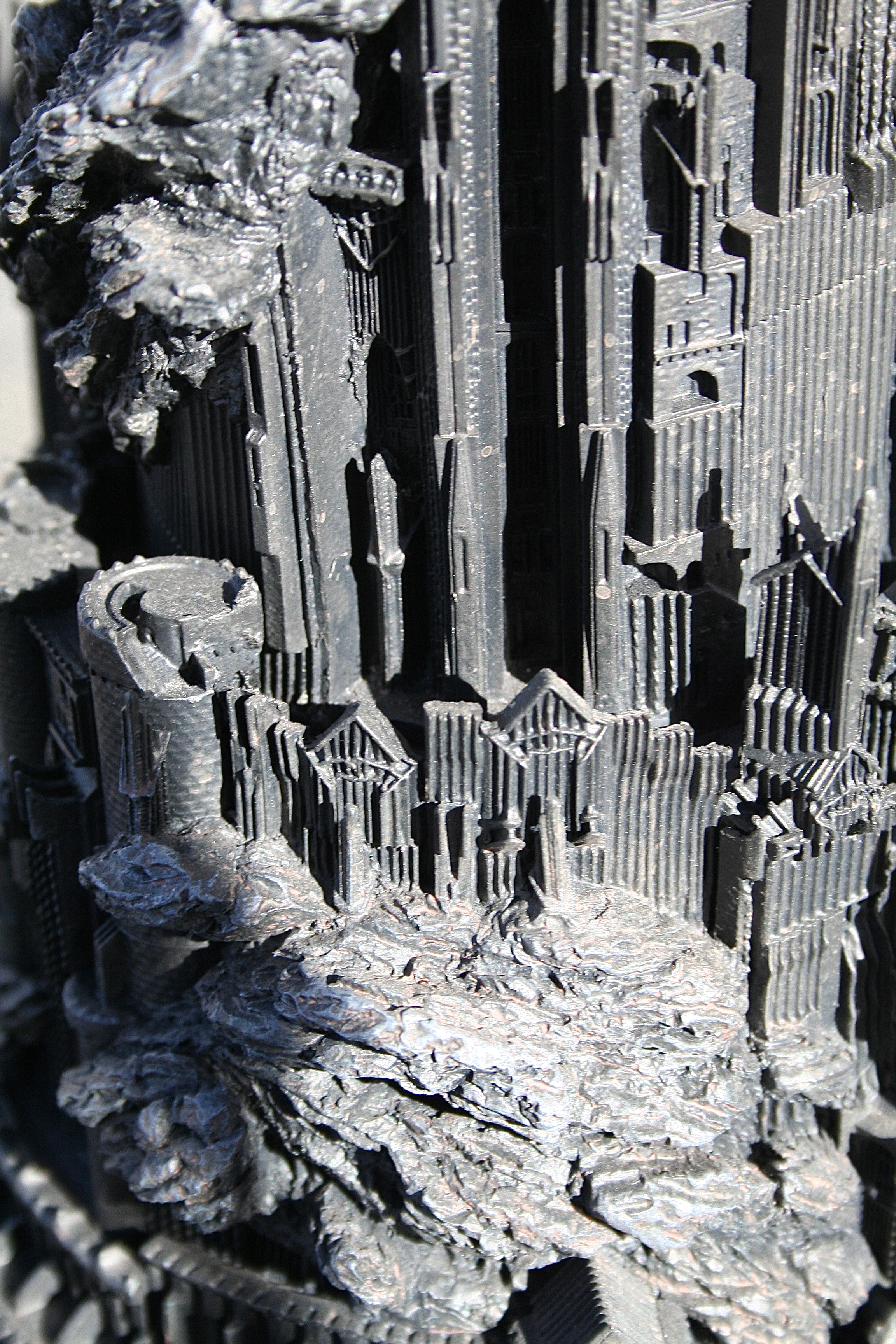
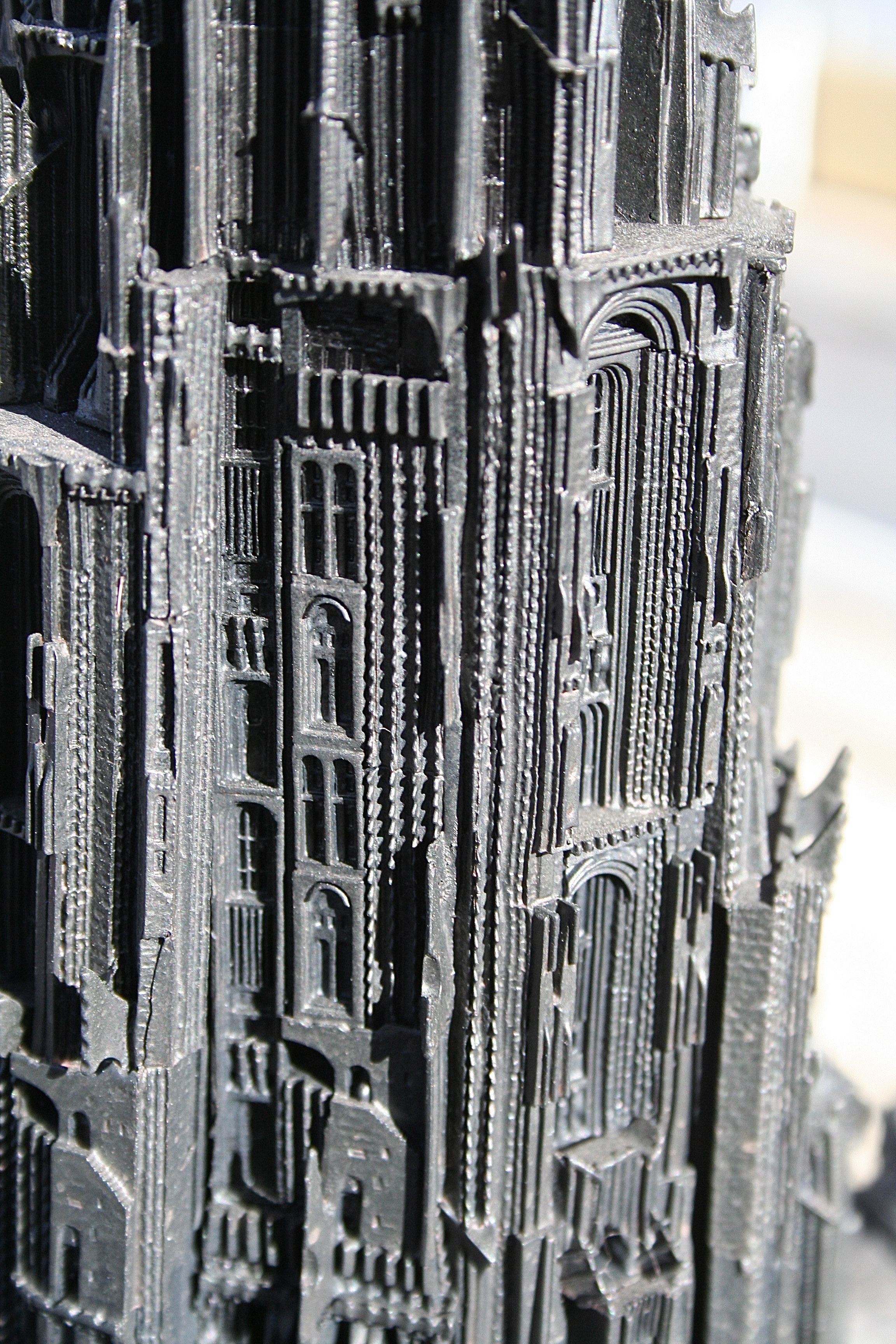
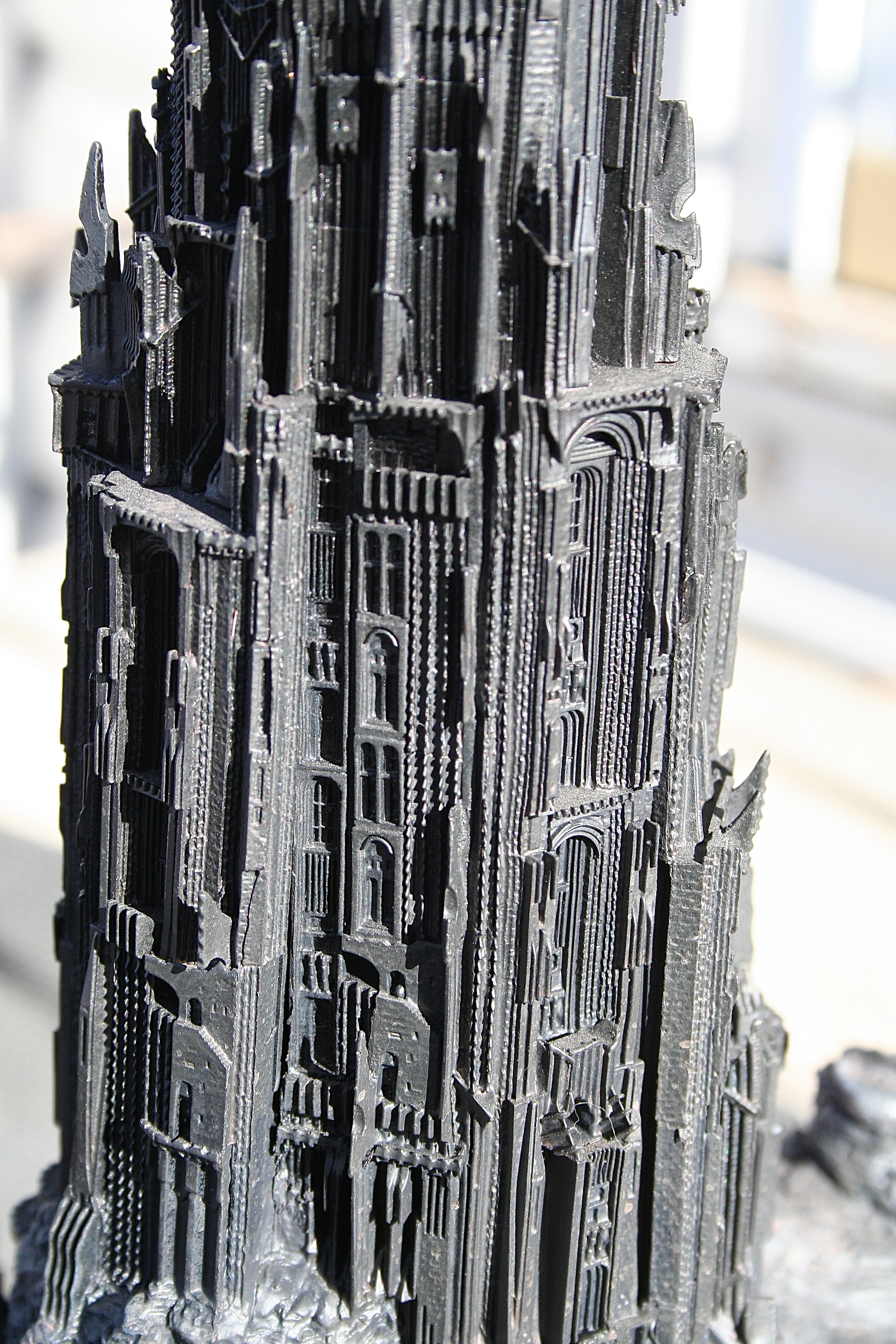
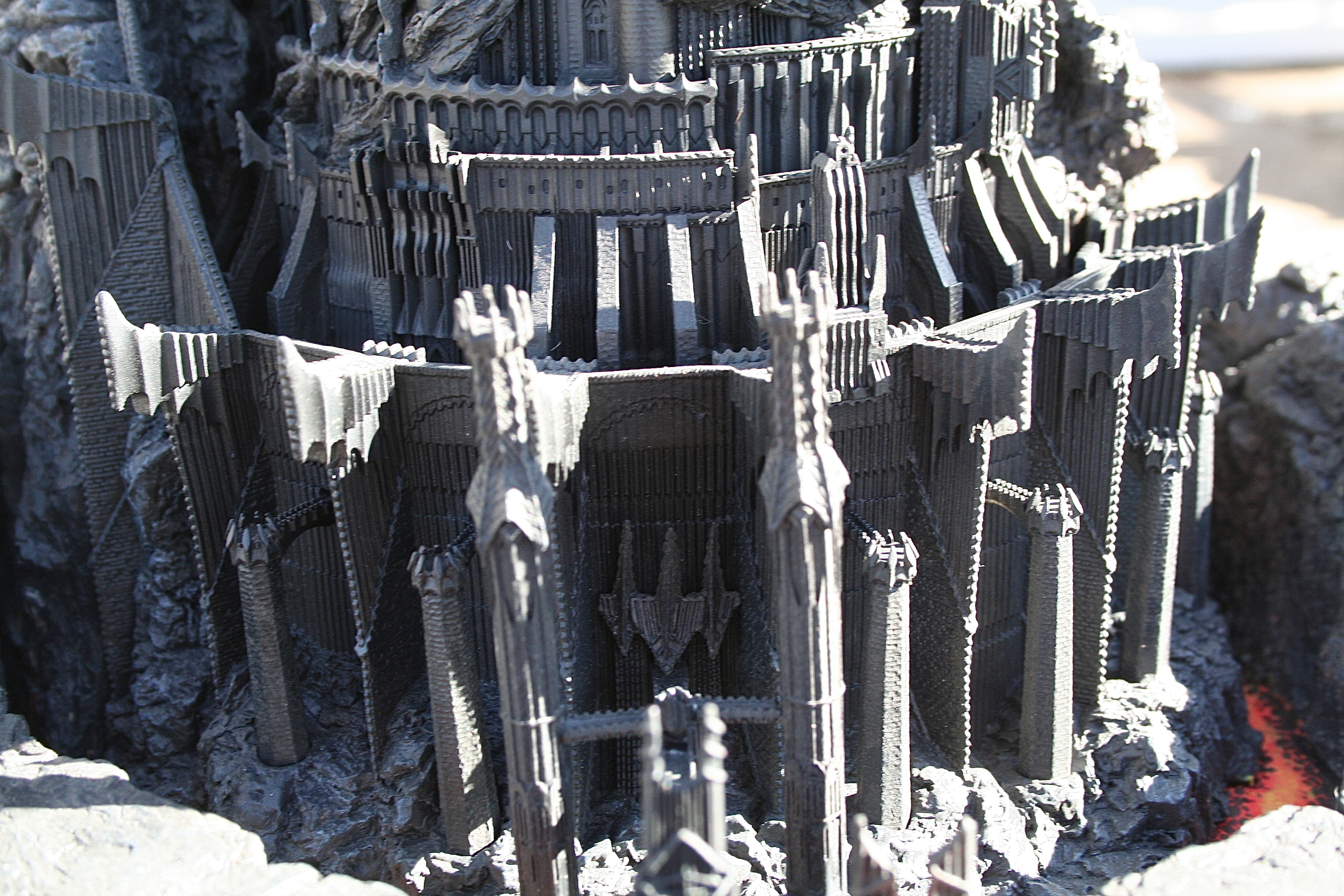
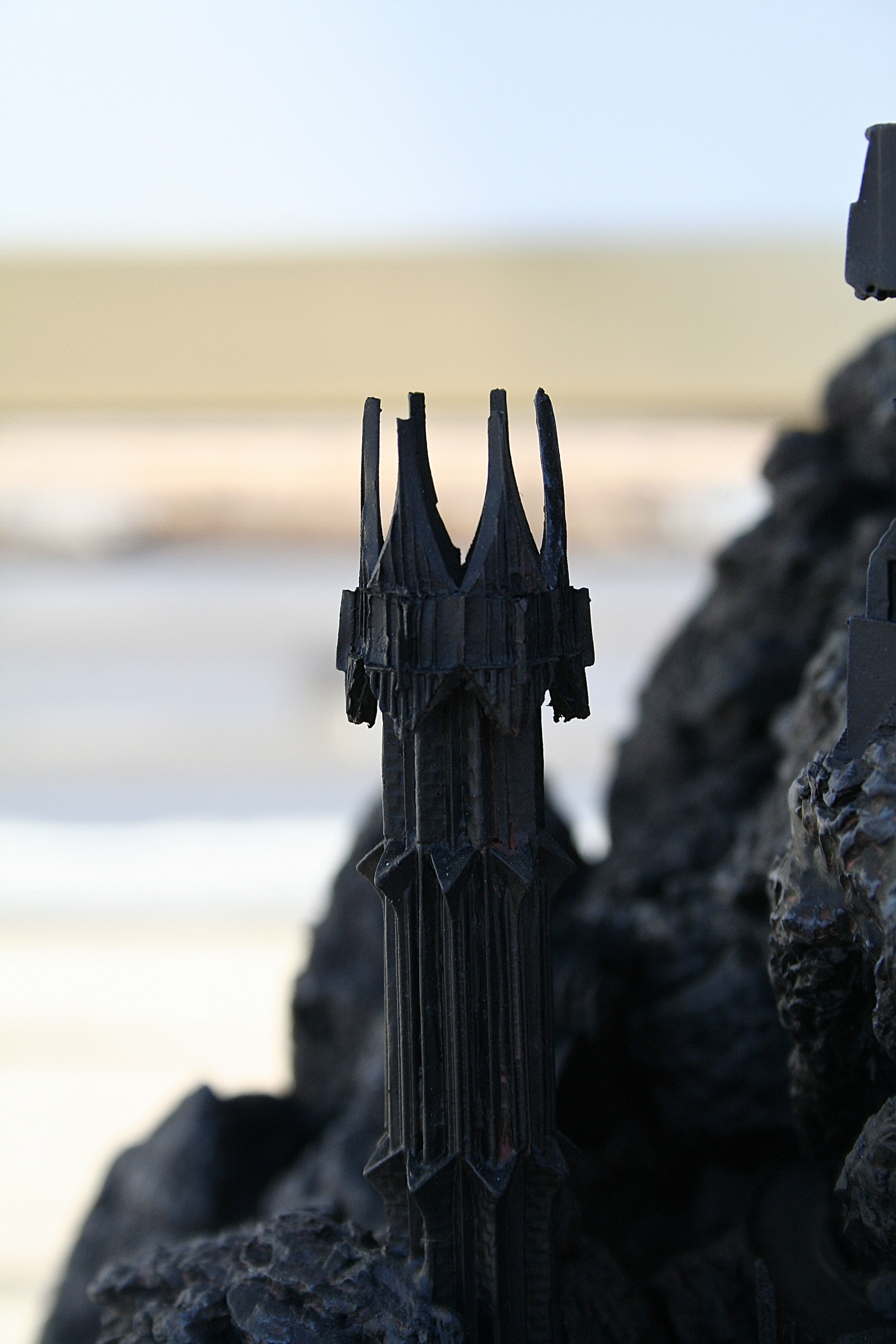
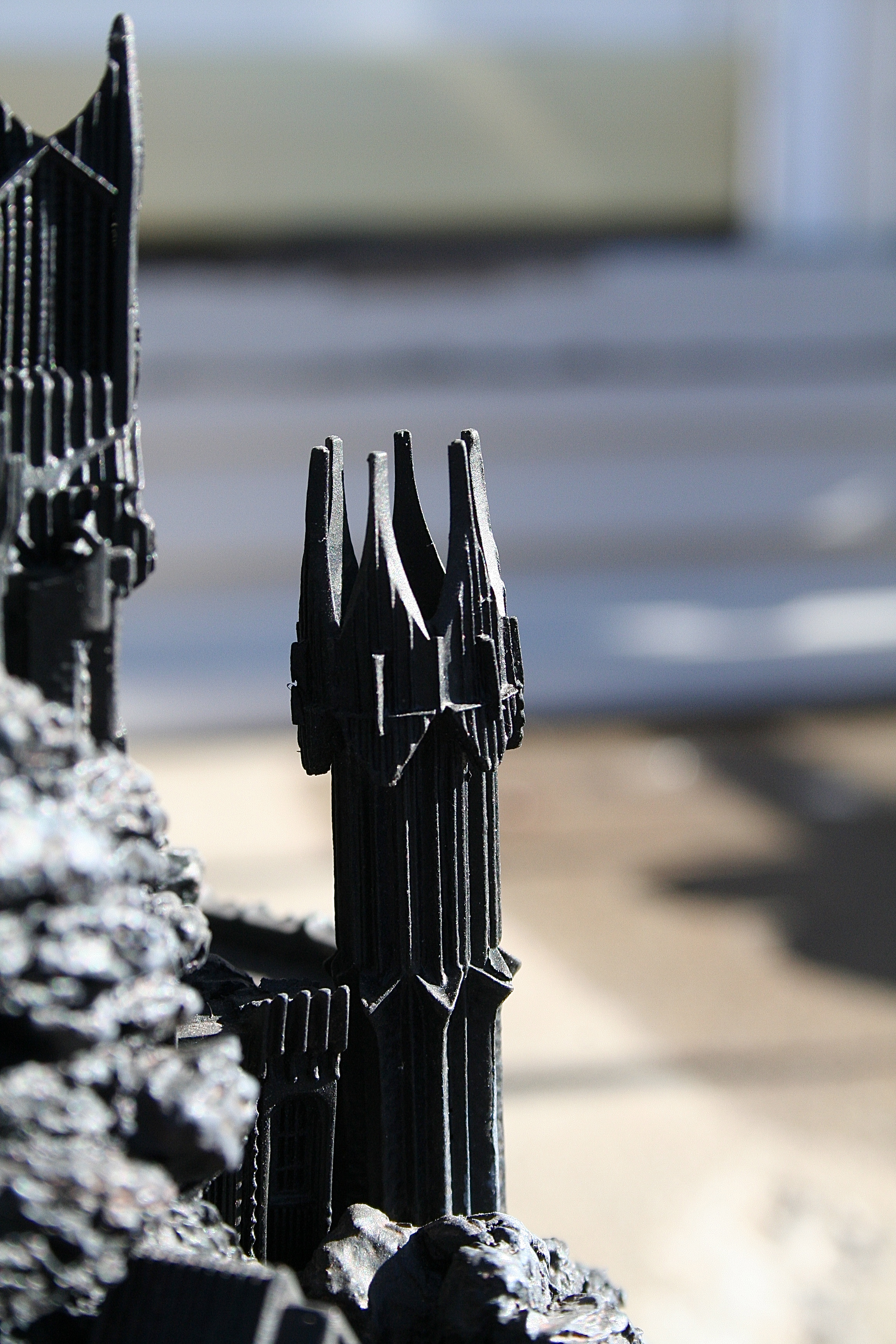
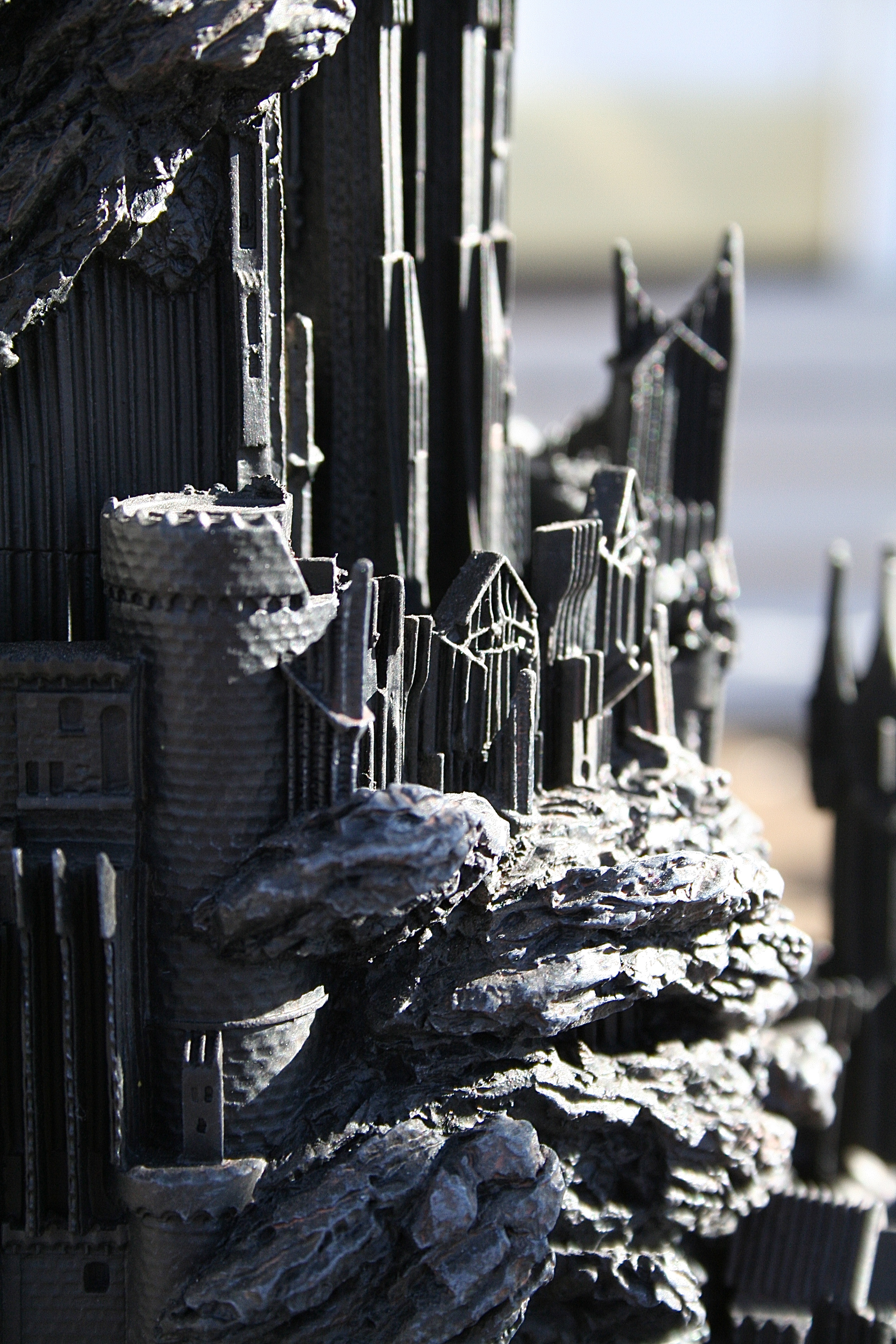
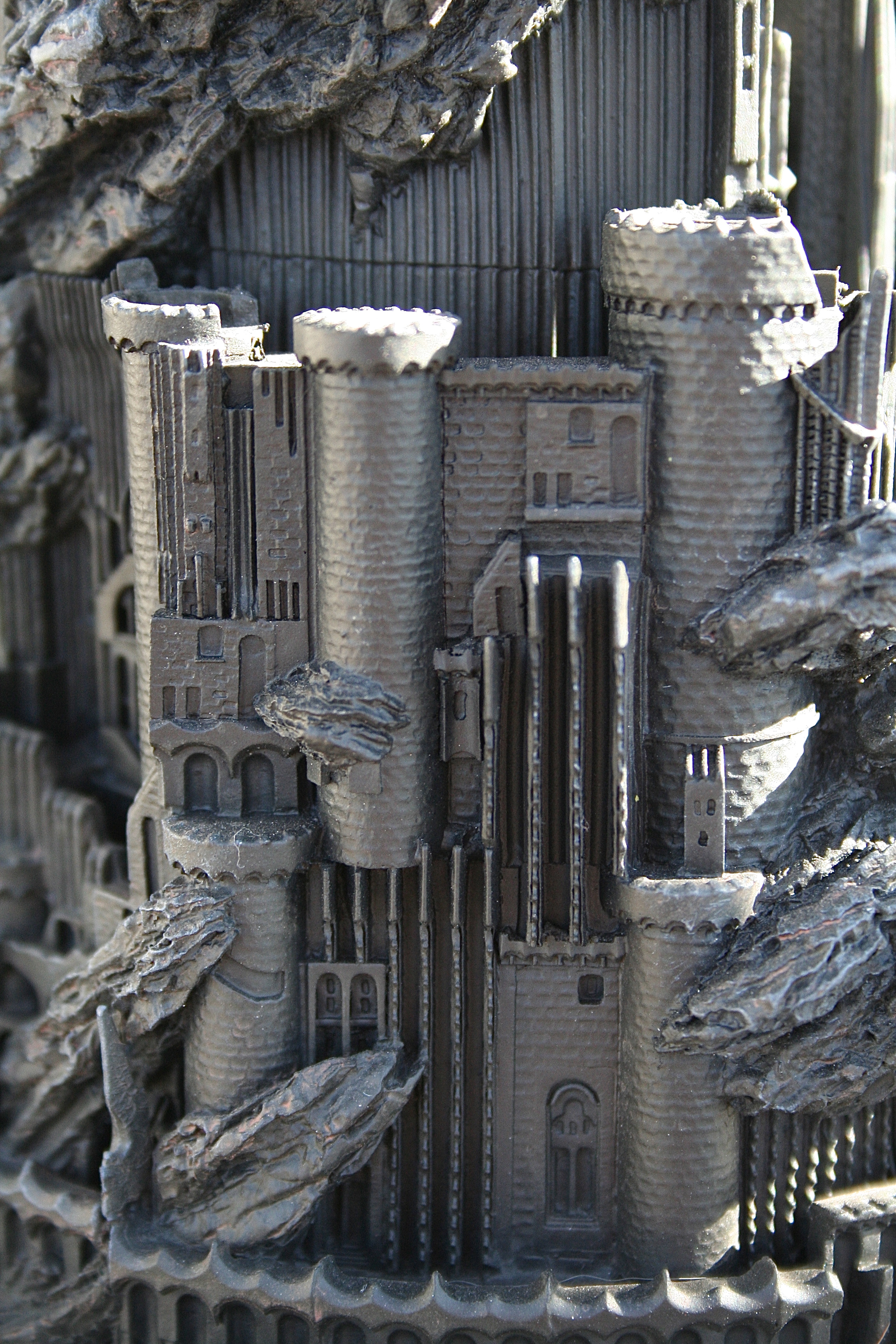
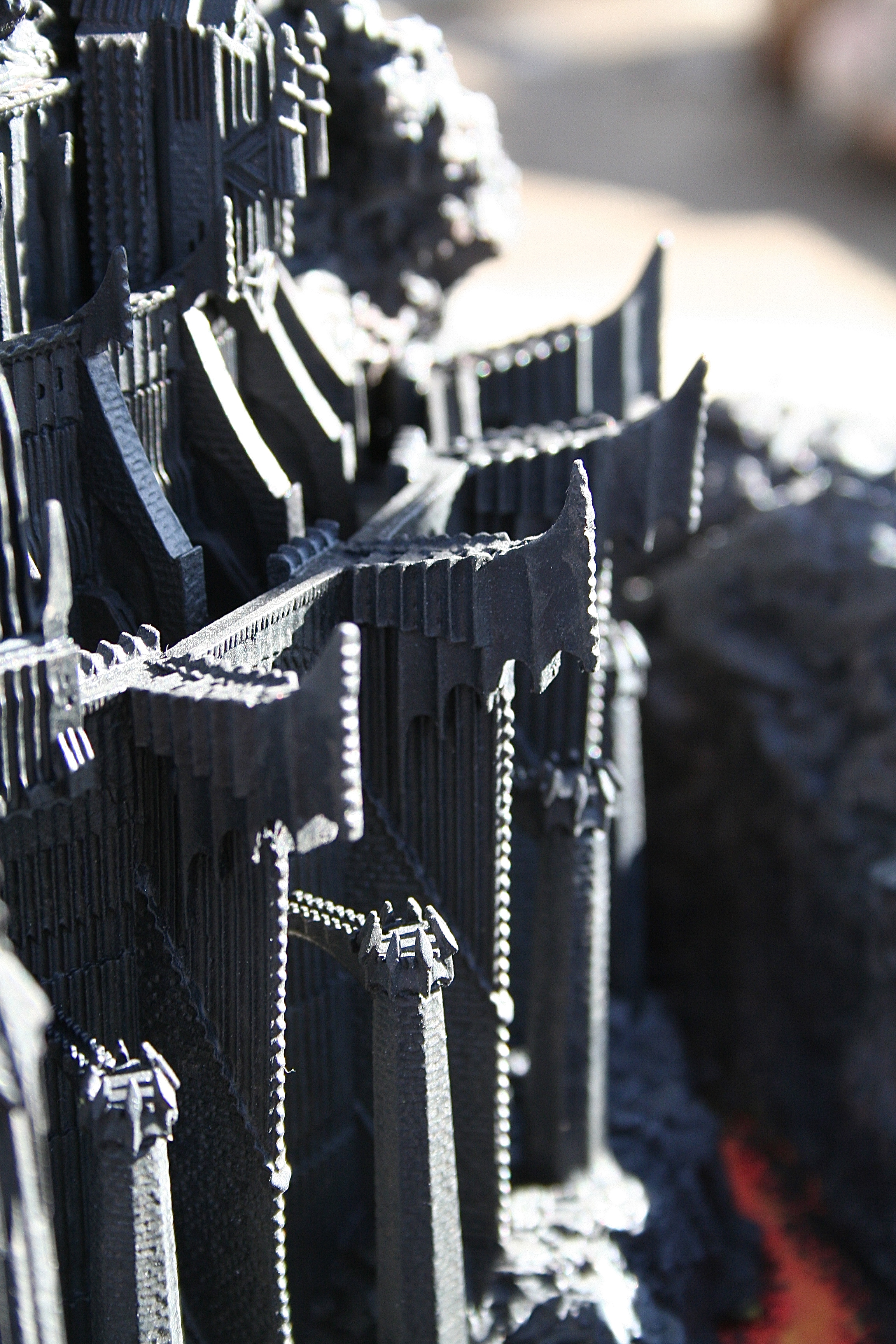
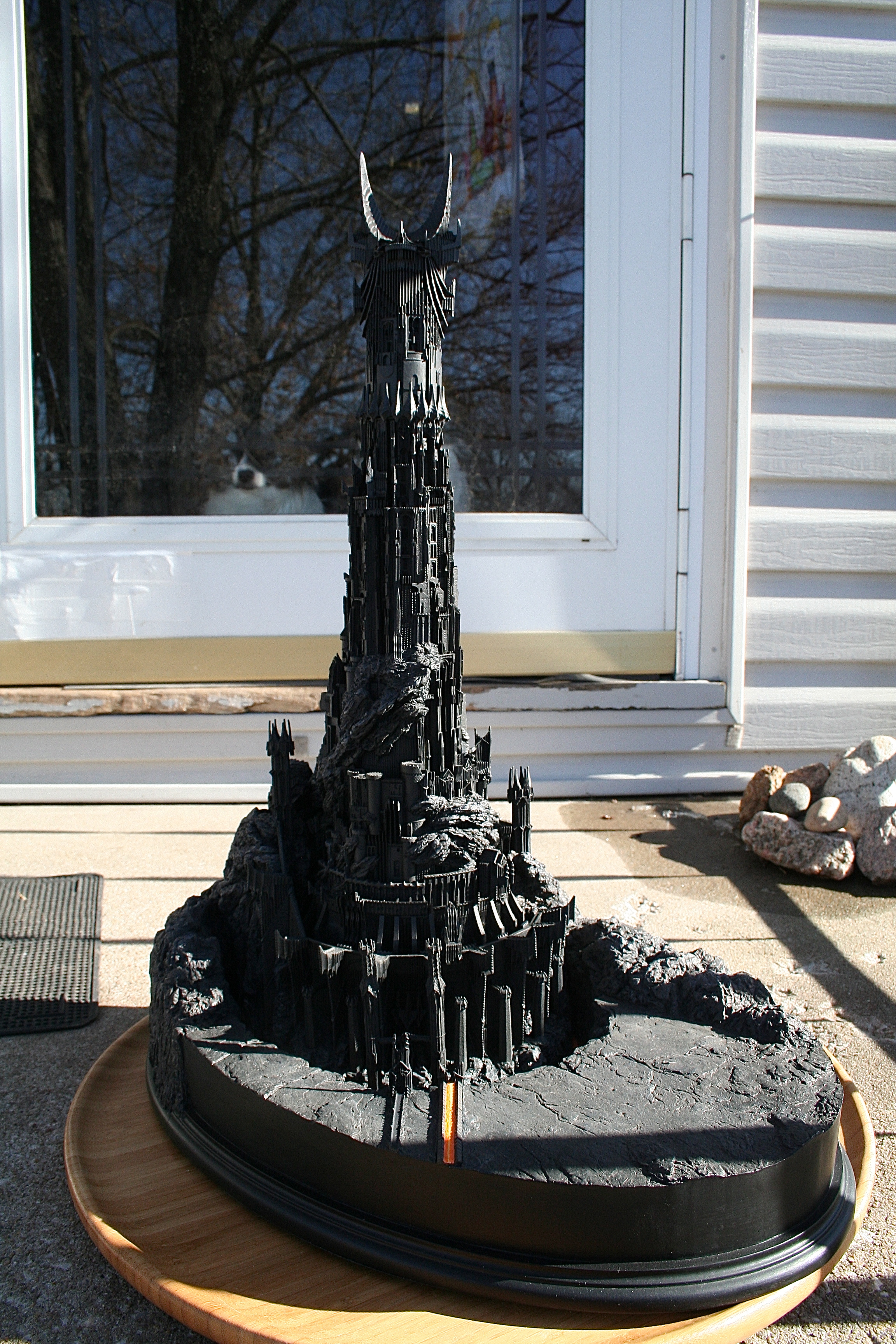
How do you follow-up one of the coolest environments you’ve ever produced? Well, you go ahead and produce one of the next most coolest environments of course! Shortly after Comic-Con 2011 senior model maker David Tremont began the momentous task of transforming the original model of Barad-Dûr for The Lord of the Rings into a collectible we could all own. Finally, after a year of slaving, fans of Middle-earth got to see the result at Comic-Con 2012 when Barad-Dûr was unveiled to the world.
Sauron began work on Barad-Dûr during Middle-earth’s Second Age, when he chose Mordor as the place his dominion over Middle-earth would begin. Barad-Dûr was finished in the year 1600 of the Second Age and during that period Sauron would go on to create The One Ring, which would only help to make the fortress even stronger. During the War of the Last Alliance fortress was destroyed with the exception of the foundations as they could not be destroyed as long as The Ring was around. In 2951 of the Third Age Barad-Dûr’s reconstruction was started, but it would not last when Gollum fell into the lava of Mt. Doom destroying the Ring and the fortress.
PACKAGING
The graphics on the front of the box for Barad-Dûr have kept virtually the same design we’ve seen with previous environments from Weta. On the front of the box a screencap of Mordor with an image of Barad-Dûr completes the scene. Of course, you also have the beautiful The Lord of the Rings logo in the upper right-hand corner with the name of the environment under the picture of Barad-Dûr. One side of the box contains images of Barad-Dûr while the other side features images of other Weta Workshop products. The back of the box contains a great picture of the environment along with a background story about the collectible.
SCULPTING
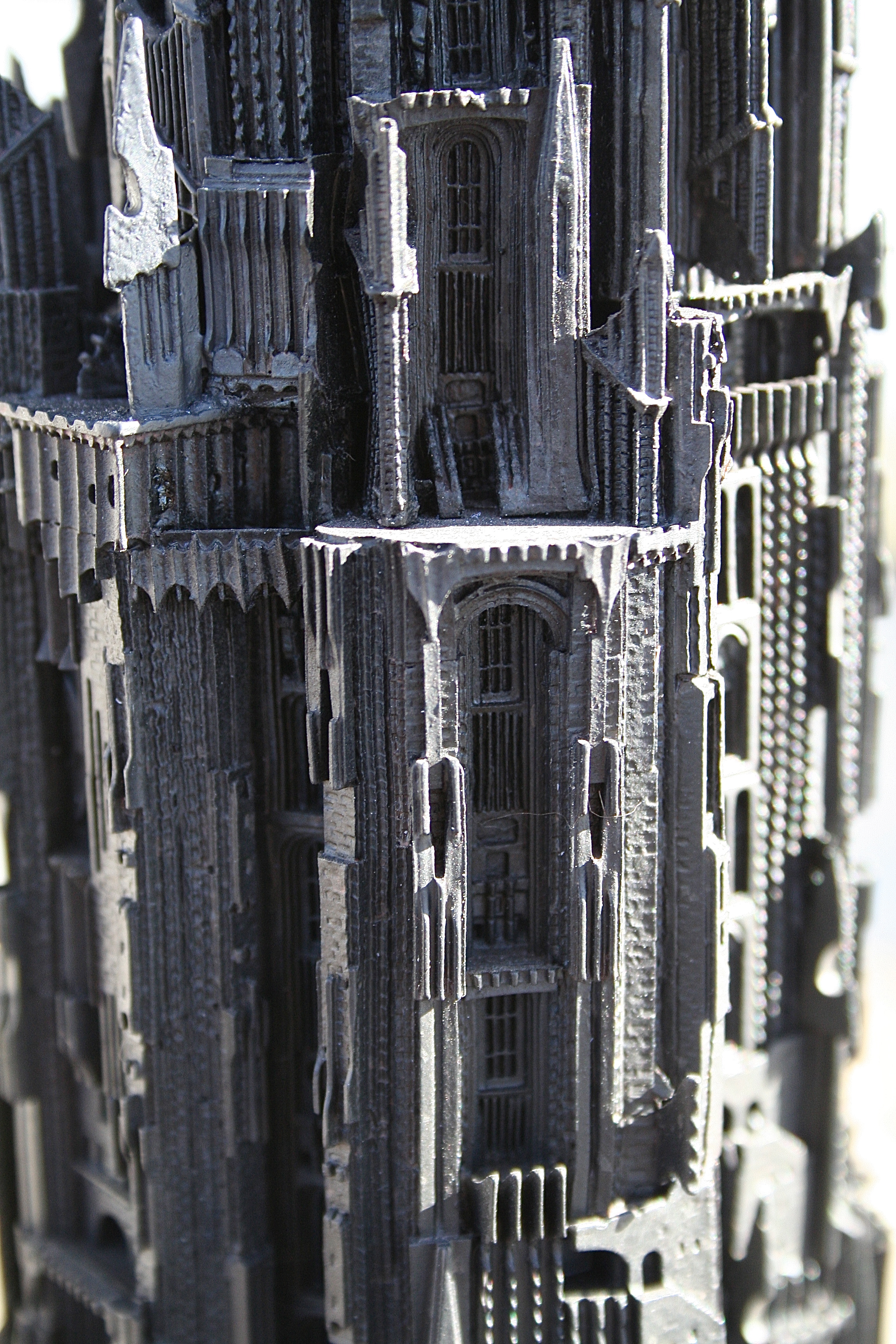
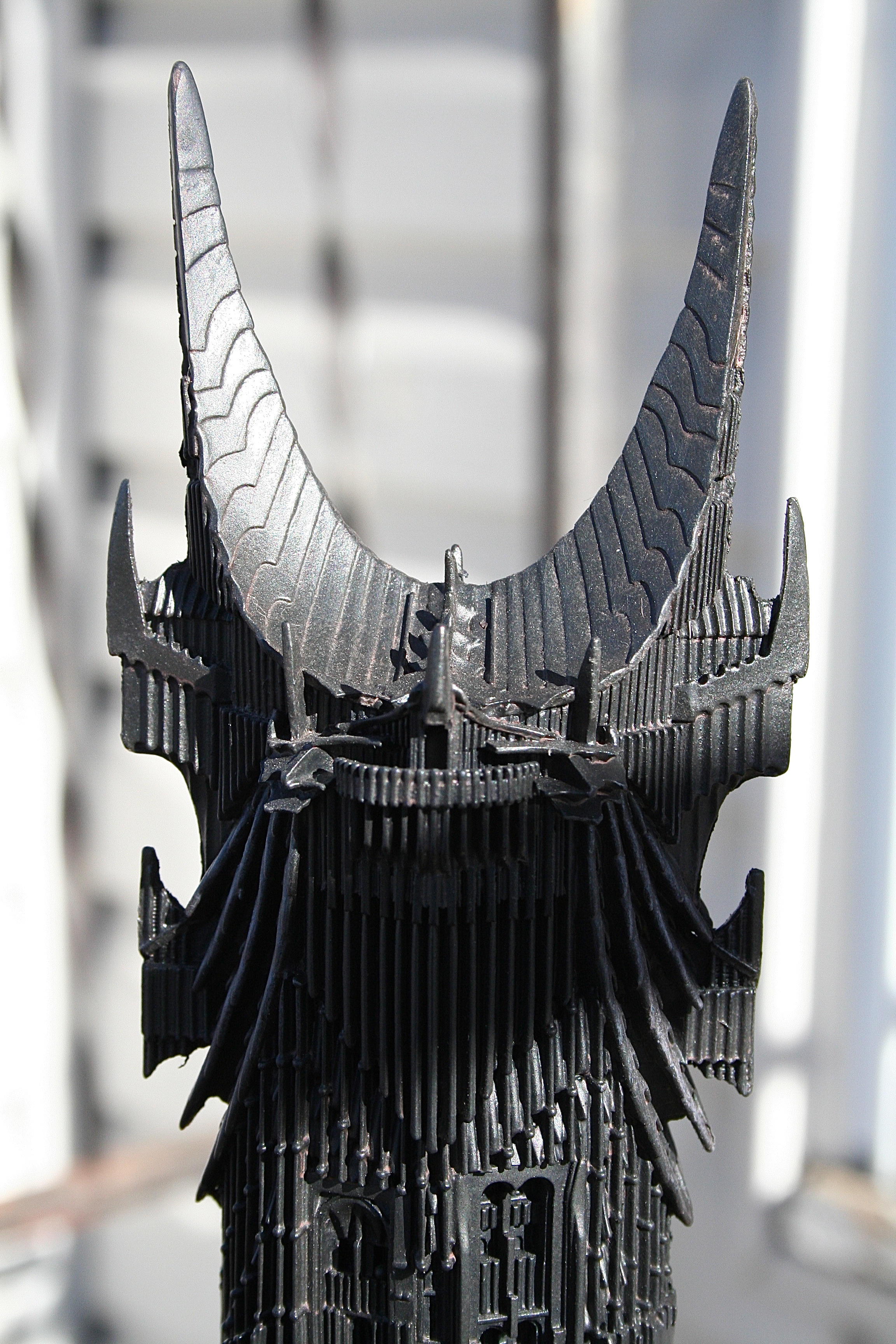
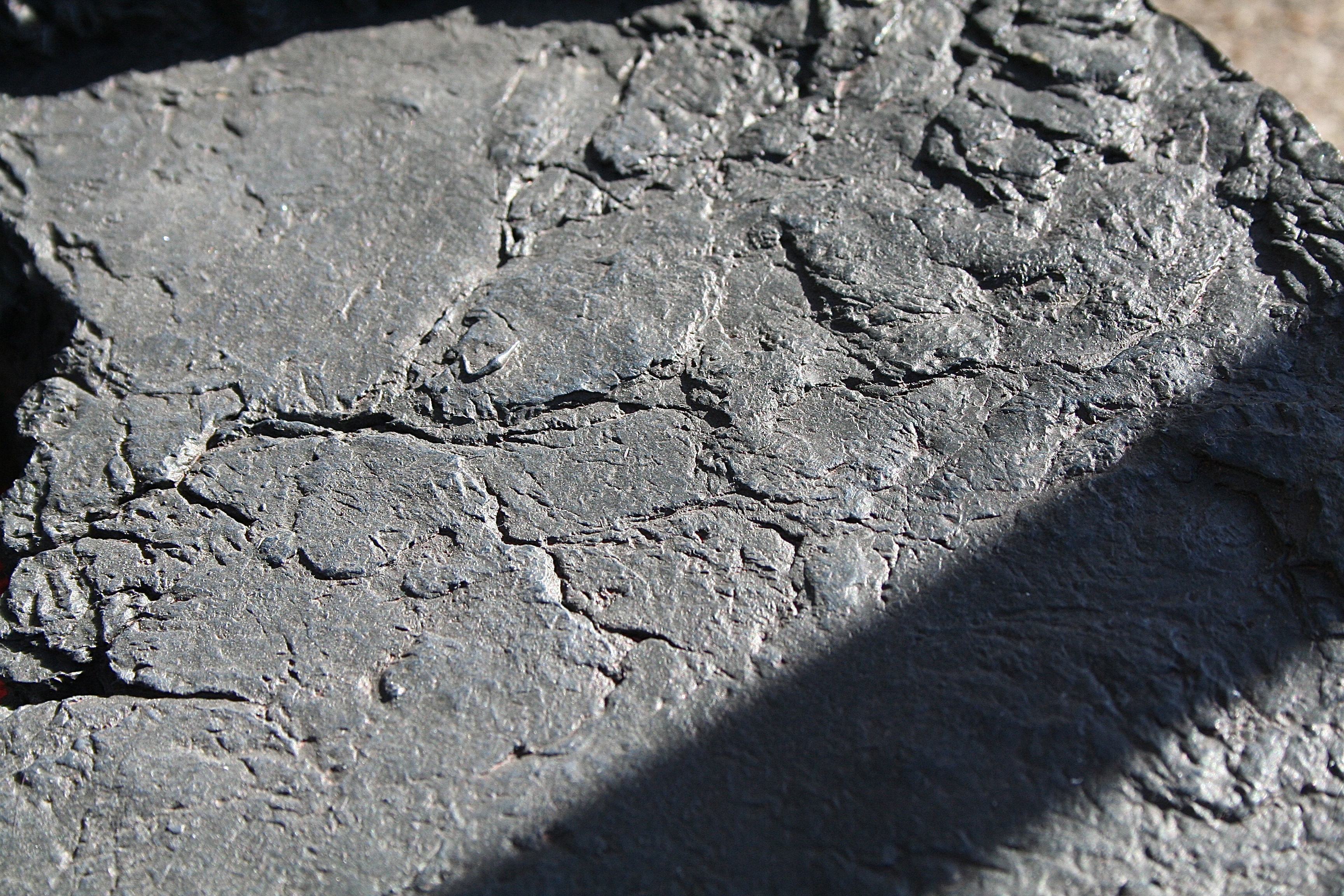
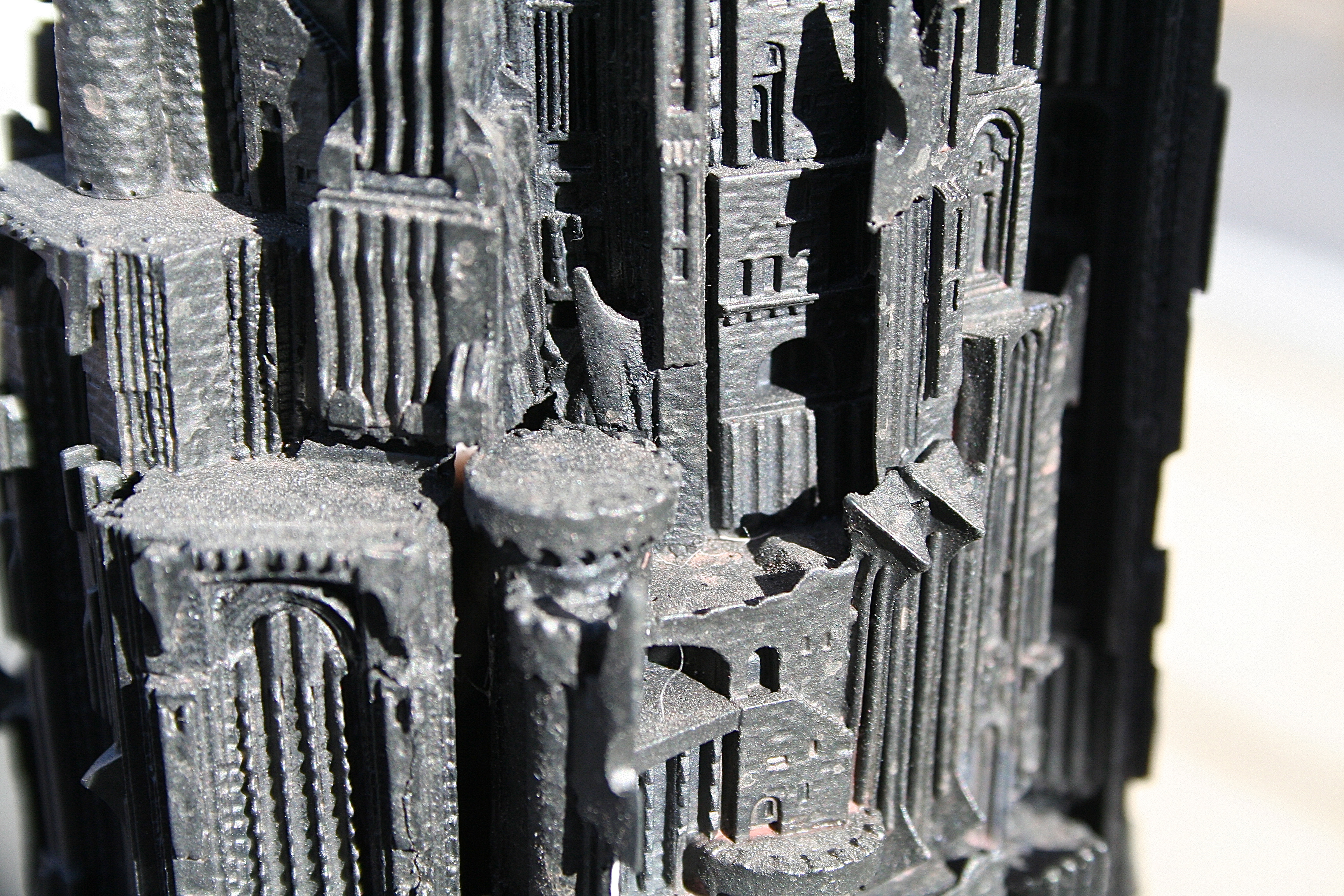
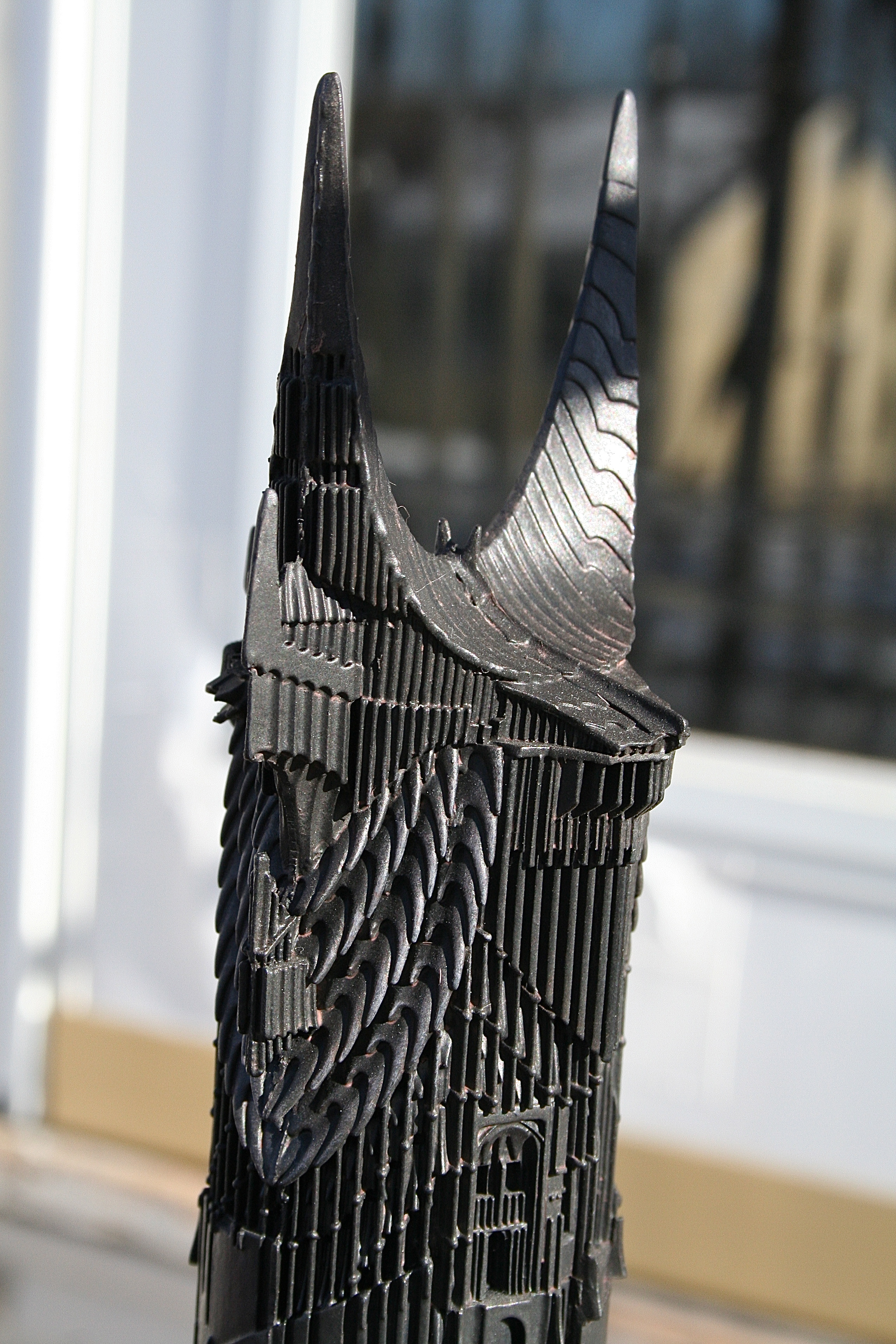
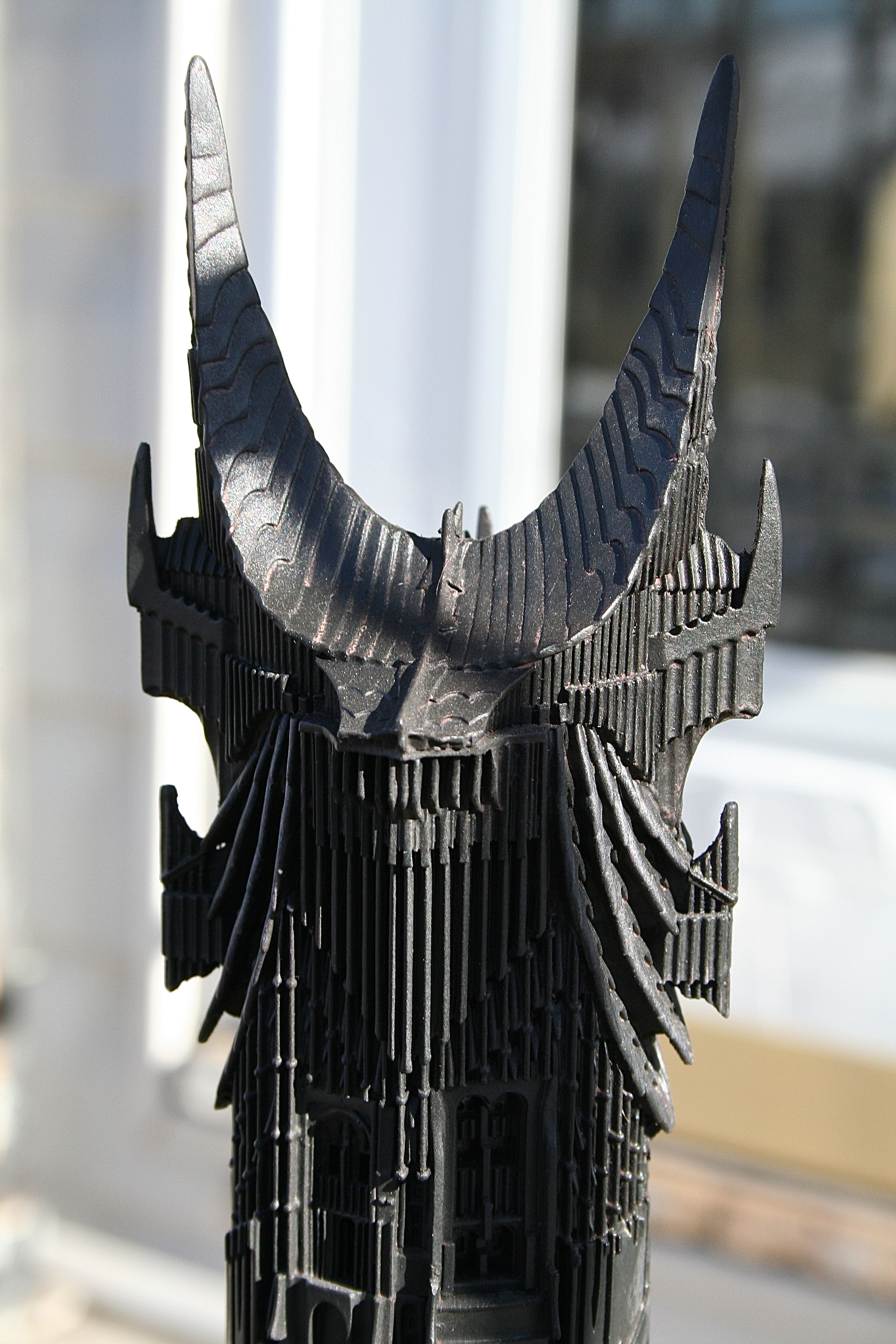
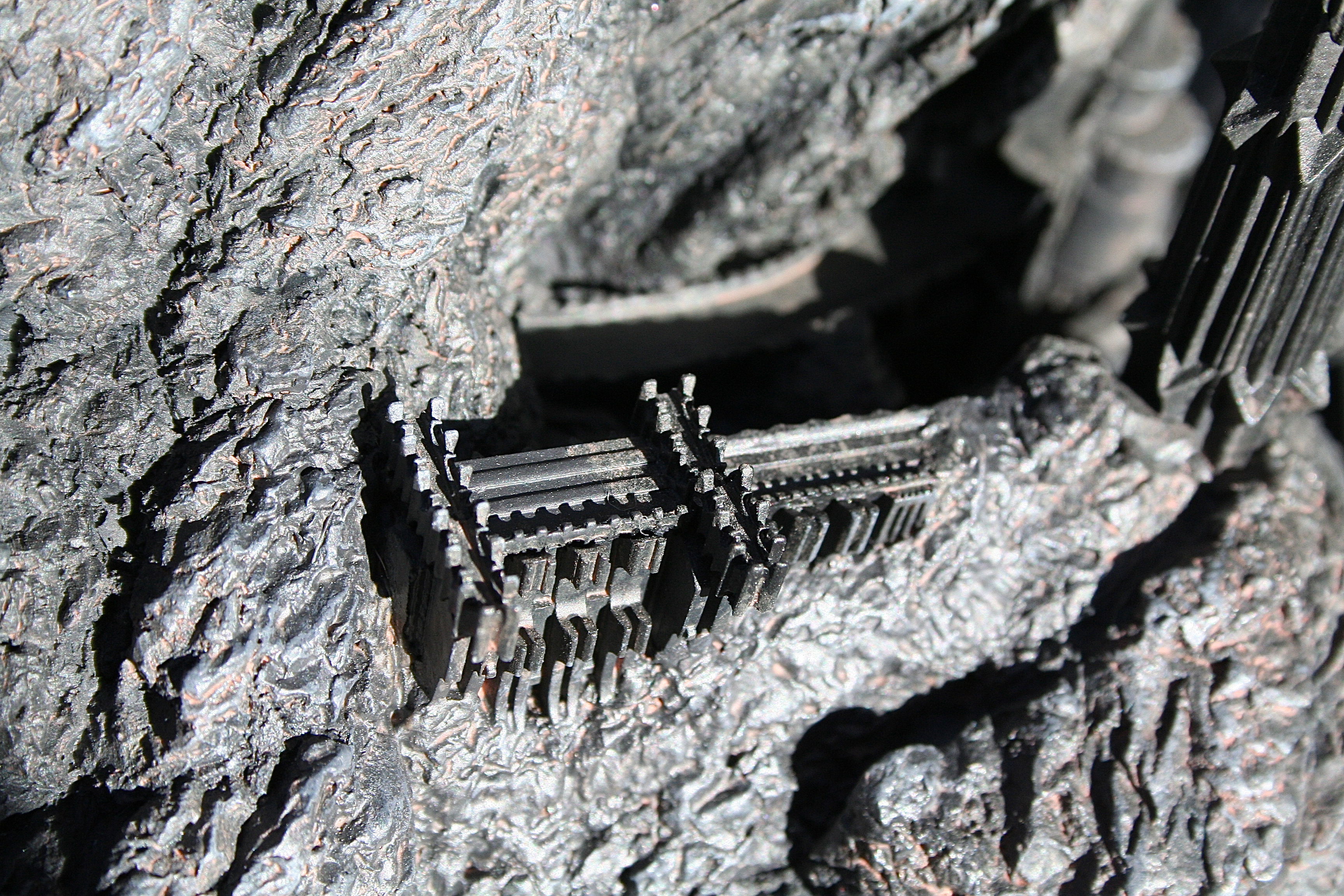
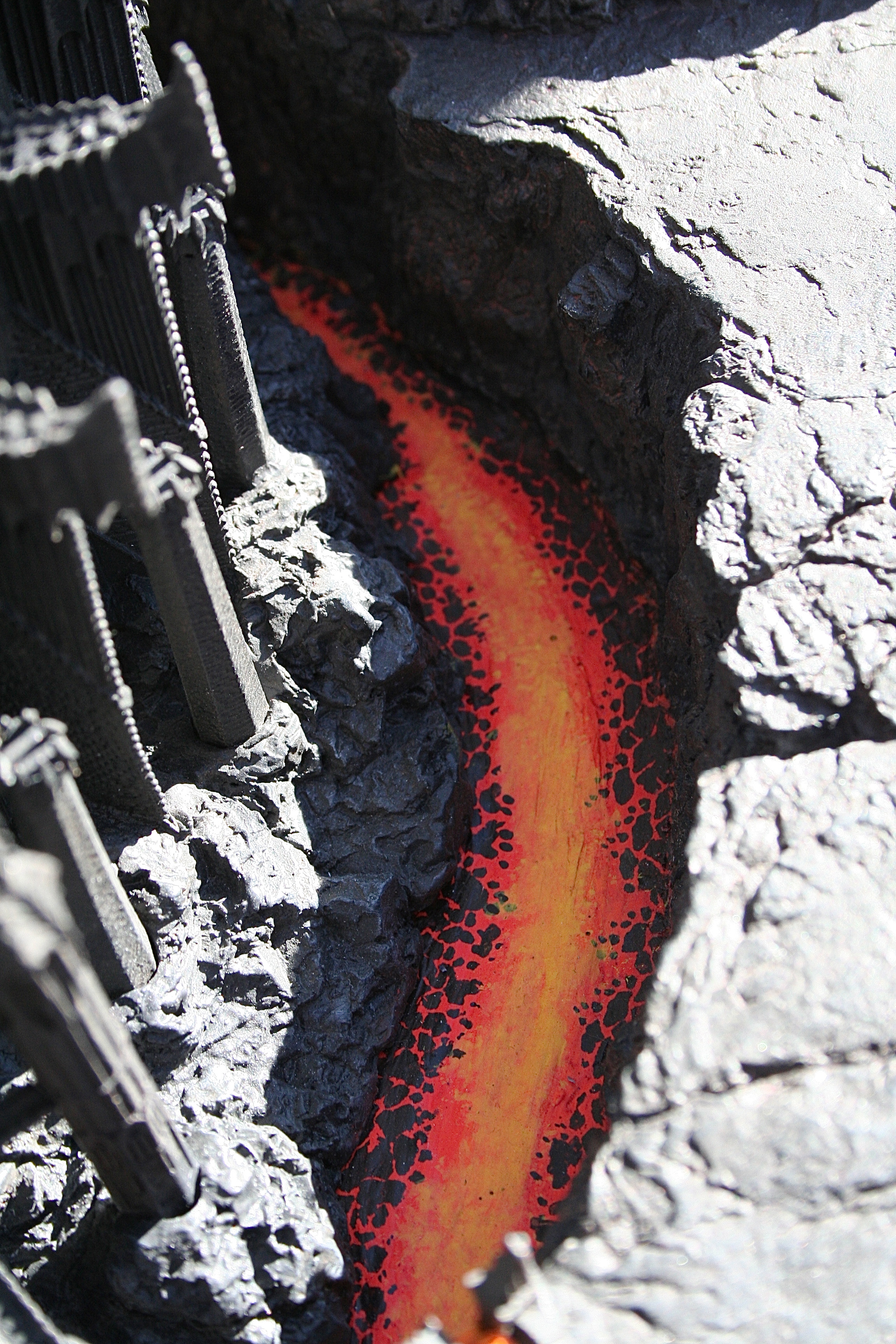
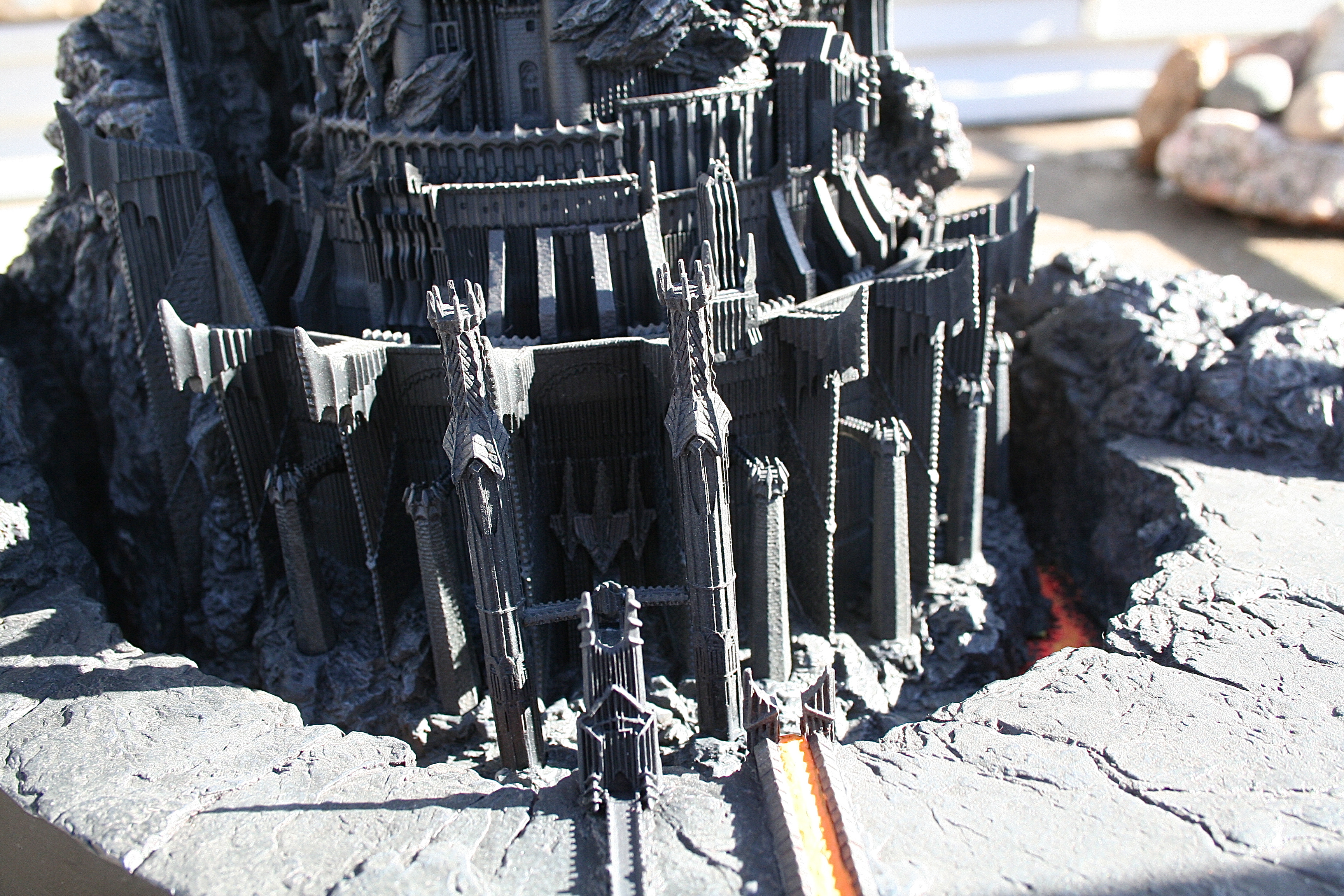
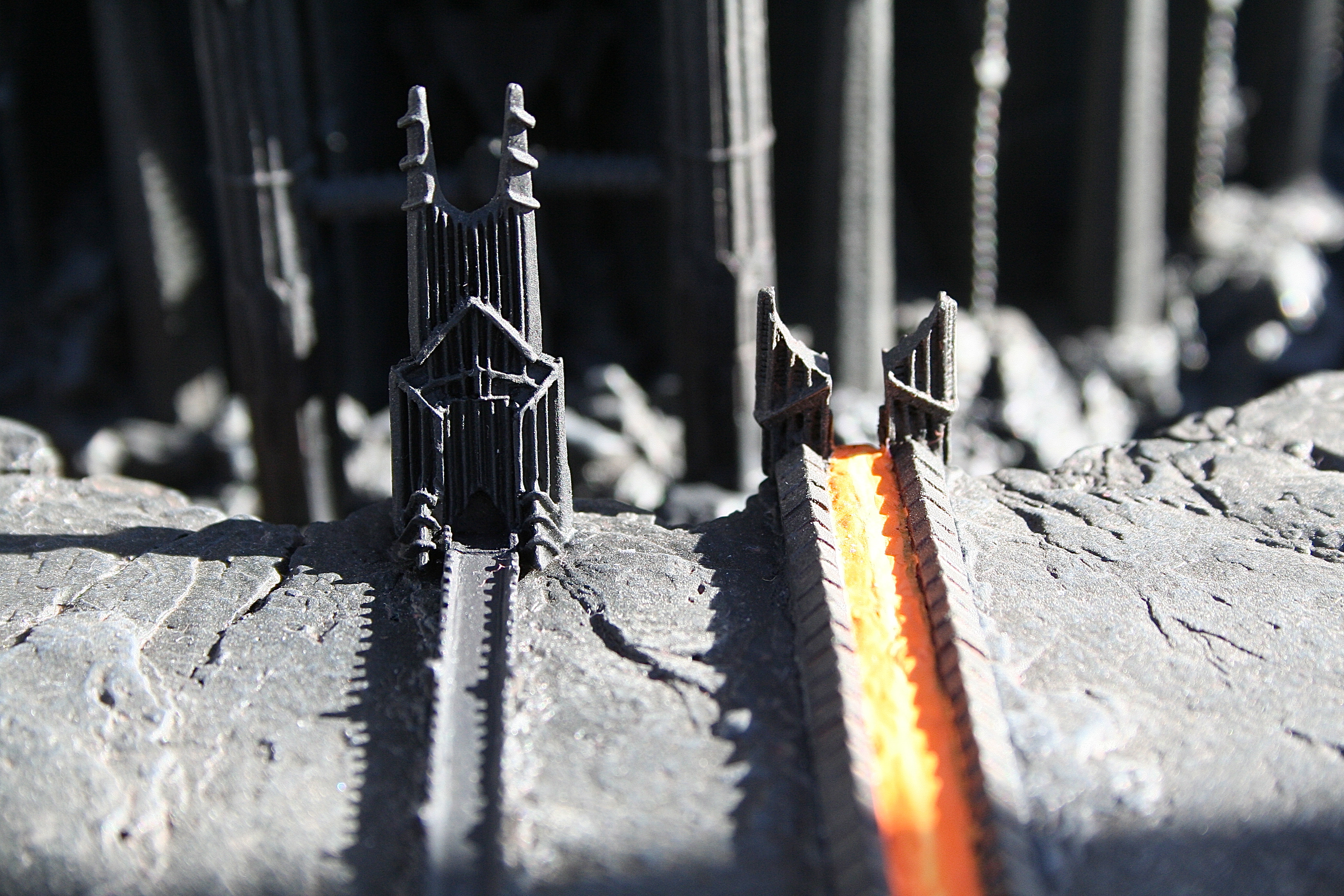
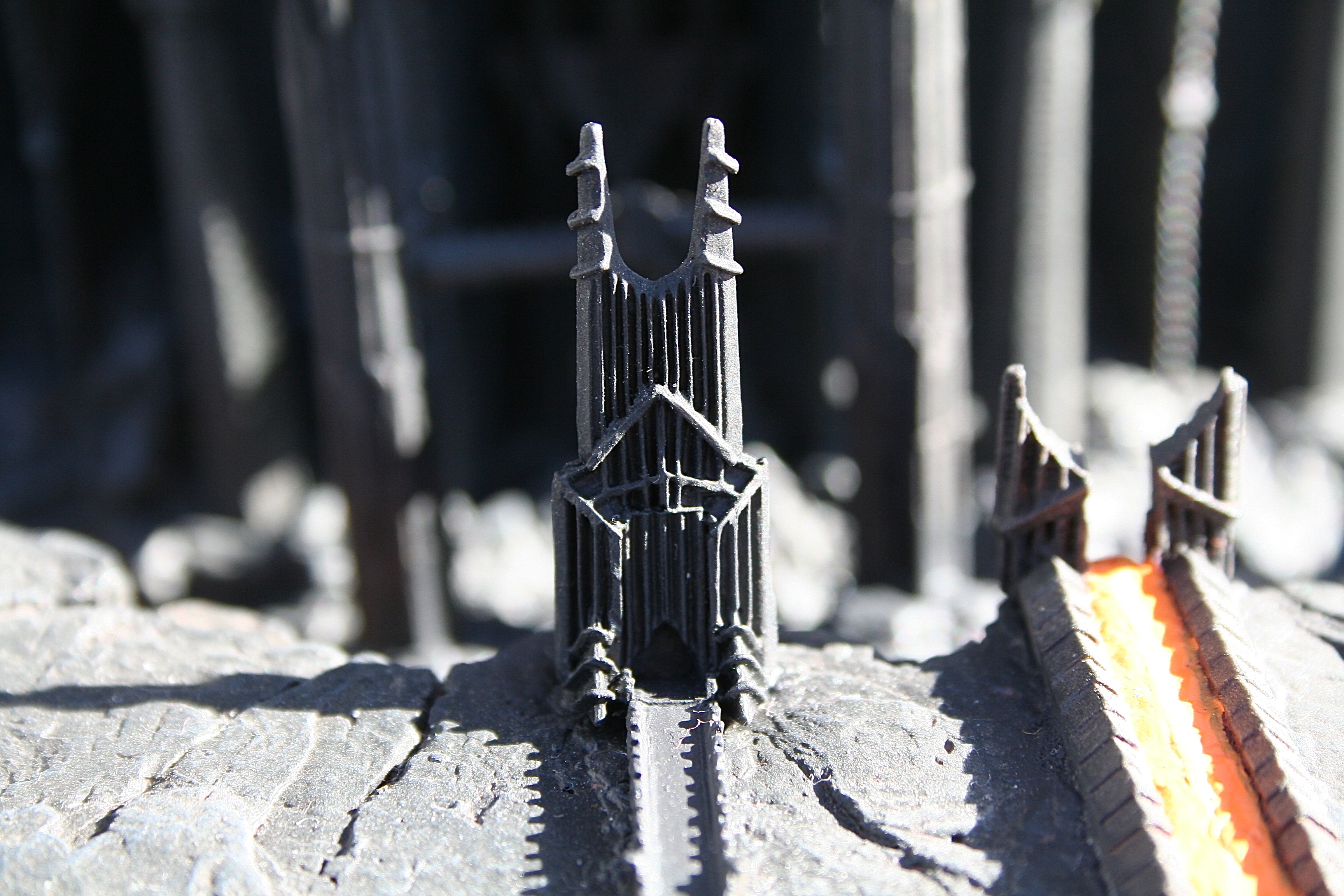
Over 1,500 hours were put into Barad-Dûr to ensure the collectible on your shelf matches what you saw during The Lord of the Rings trilogy. I believe fans, once they have a chance to see the detail in this piece, will agree all of those hours paid off in spades. David Tremont and his team made very sure every window, spike, tower, ledge, bridge, and rock is included on this piece. Gazing upon this collectible, you can almost imagine Sauron or any number of his minions looking out upon Mordor from any of the many ledges and balconies. It truly is a great representation of the model we saw on film. What’s even more amazing is because of the material used it allowed these details to be captured and safely arrive to our homes. Rivendell had its beautiful river running through it and Barad-Dûr has something similar with its lava river flowing from Mt. Doom into the cavern surrounding the fortress. Even the rock areas of Barad-Dûr are exceptionally realized with the plains of Gorgoth looking like a place you don’t ever want to visit. Like Rivendell, this collectible is an achievement for Weta in showing off the amazing talent of their artists.
PAINT
The paintwork on Barad-Dûr is fairly simple compared to say Rivendell, and much more in-line with that of Orthanc. It’s all black and the shading for the different levels in different places are all really well done. The color of the tower does not match the color of the rock within the piece. That was going to be the toughest part of the paint I think and they were able to create the proper level of separation. The lava looks really good and stands out like lava would with an all-black world of Mordor.
Overall
Barad-Dûr costs $700 but the level of detail you get and the size of this piece allows you to truly get value for money. This piece is a limited edition piece with only 1,000 of the fortress being produced. Barad-Dûr does not come with a flaming eye but if that is a potential issue for you all you have to do is download the iPhone or iPad app. Then you will have the eye of Sauron. Finally, I cannot implore you enough if you are a The Lord of the Rings collector to find a way to get this piece into your collection.
Also, if you’re truly interested in what it took to bring this collectible to life check out the three articles by David Tremont. In these articles he explains the ups and downs of making sure we got one of the best environments ever created.
For readers of The Hobbit, which became an almost overnight classic following its 1937 debut, the new movie may elicit some puzzlement. Seemingly extraneous flourishes clog up what many remember as a simple fairy tale, and random characters appear at every twist and turn throughout Middle Earth.
Yet those fans who went on to immerse themselves in J.R.R. Tolkien’s wider lore will find inspiration. For the most part, director Peter Jackson does not exercise an extra heaping of artistic license. Rather, Jackson—reportedly something of a nerd himself—borrows from the larger Tolkien literature to create a rich Hobbit tableau.
“Jackson knows the lore pretty well and wanted to bring that larger material in there wherever he could,” said Michael Drout, an English professor at Wheaton College who founded the academic journal Tolkien Studies and edited the J.R.R. Tolkien Encyclopedia. It’s this so-called textuality—or texts behind texts behind other texts—that lends Tolkien’s work the air of reality, he said, and which Jackson seeks to capture in his films.
Jackson isn’t free to tap into any detail he wants from Tolkien’s wider works, however. “He had a very difficult task in that the movie rights extend only to The Hobbit and Lord of the Rings,” said John Rateliff, an independent Tolkien scholar and author of The History of the Hobbit. “He’s well aware that there’s a great deal more material set in that world, but contractually not allowed to use that material in the movies.”
Even the word itself, spoiler, comes with connotations of bad. Reminders of food that’s gone off. Anything that spoils entails less enjoyment, not the same amount. And certainly not more. Or so it’s traditionally held.
To which I say, to use a quaint British phrase, “pish and tosh”.
Not because I don’t think it’s impossible for there to be spoilers with an adaptation of a novel that was first published in 1937. There are. Continue reading “In defence of spoilers”
If you have a Tolkien/Middle-earth inspired poem you’d like to share, then send it to poetry@theonering.net. One poem per person may be submitted each month. Please make sure to proofread your work before sending it in. TheOneRing.net is not responsible for poems posting with spelling or grammatical errors.
Christmas brings to mind the timeless, poignant image of a mother cradling her newborn child.
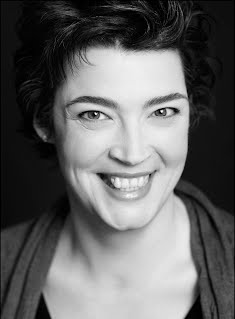
At this rather apt time of year then, TORn’s music geeks are pleased to bring you an exclusive interview with Hilary Summers.
An alto hailing from Wales, UK, Hilary recorded “Gilraen’s Song” that plays over the scene where Aragorn kneels in reverence before his mother Gilraen’s memorial in Rivendell, and whose lyrics hark back to the words once spoken by Gilraen herself.
Little boy, little one, night is falling, come into my arms, let me hold you safe. But still you run through the twilight, lost in your play, slaying demons in the shadows. Little boy, little one, full of grace, full of joy, oh, my heart will break,
For I see it in your eyes… you are your father’s son, not your mother’s child.
Join us in this exclusive interview as we talk to Hilary about her experience recording the song for The Lord of the Rings.
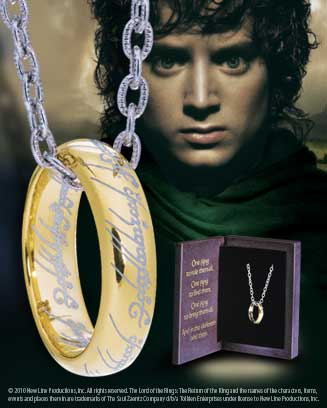
Today marks the final contest in the ‘contest extravaganza’ brought to us by our friends at The Noble Collection. The final collectible giveaway is a sterling silver version of The One Ring from The Lord of the Rings Trilogy. The ring has been laser inscribed with the elvish writing that only fire can tell. The ring comes in a beautiful wooden box and sports a 20″ chain that will allow you to show it off as a proud fan of Middle-earth. You can grab this ring now from The Noble Collection for a stellar price of only $129, or you can enter the contest and try your luck. This final contest starts today and will run through December 28th at midnight PST.