Calling all Ringers heading to San Diego Comic-Con!
TheOneRing.net may be looking for a few good folks to help out at TheOneRing.net and Middle-earth booths during the show. If you love Tolkien, enjoy meeting fellow fans, and don’t mind lending a hand in the middle of Comic-Con madness, we’d love to hear from you.
Please note: filling out the form does not guarantee you’ll be chosen, but it does let us know you’re interested and available.
Step forward, brave volunteer, and tell us a little about yourself.
Posted in:
Share:

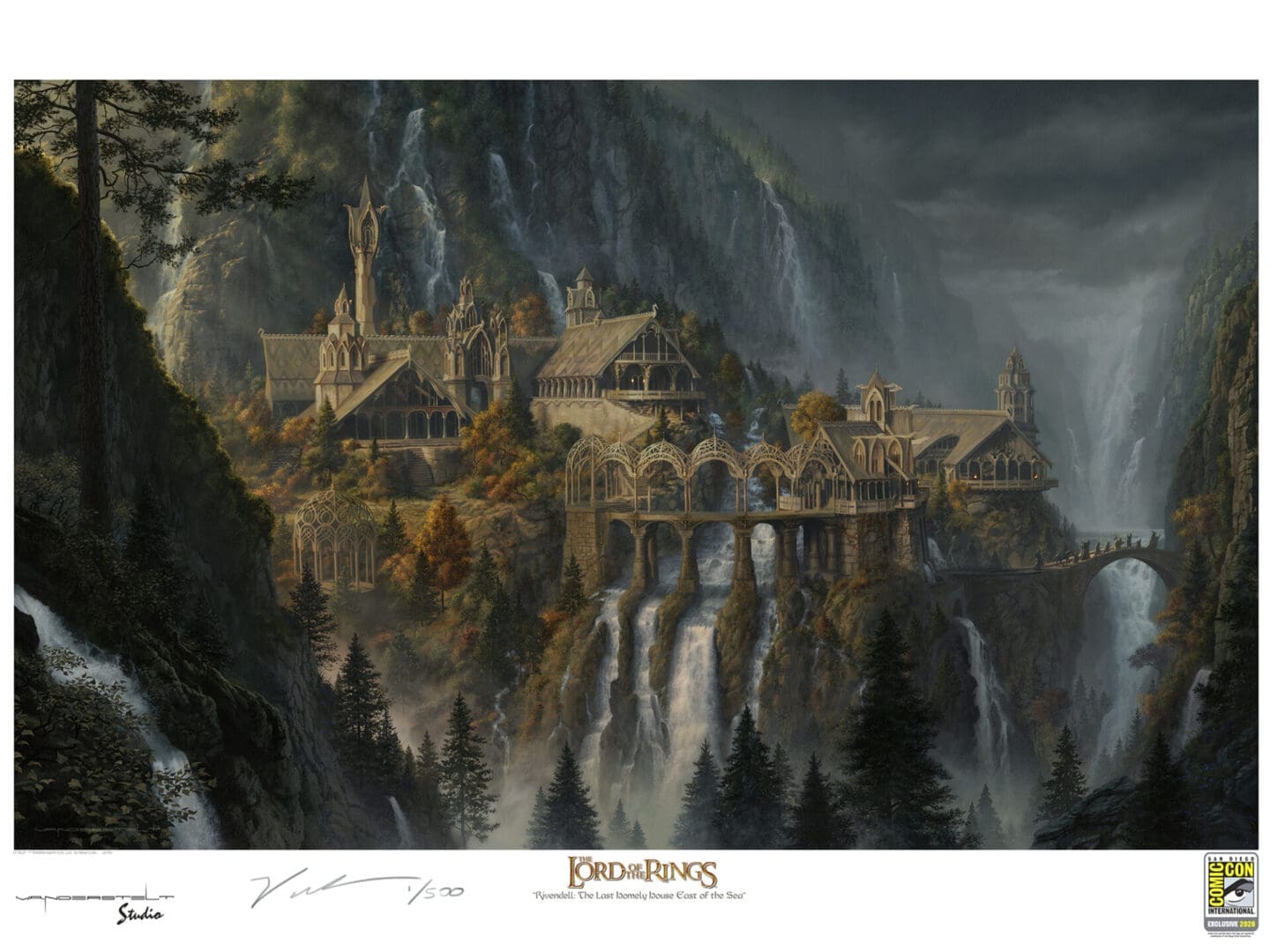
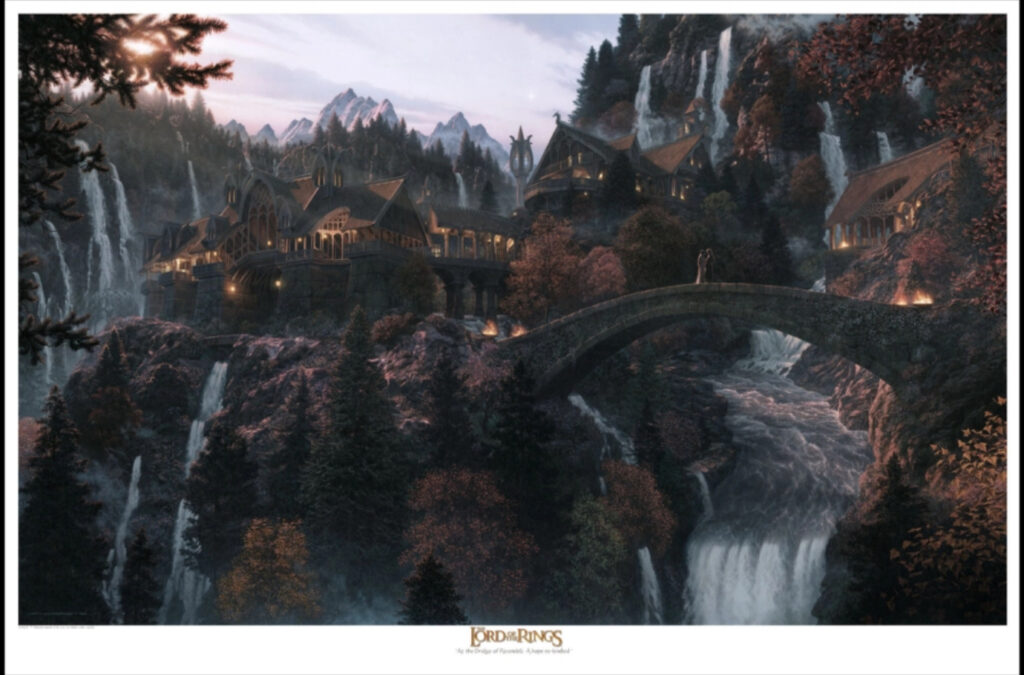
Our friend Jerry Vanderstelt has an amazing new print out – if you haven’t already added this to your collection!
This gorgeous print captures the beautiful Rivendell – but from a different viewpoint than his previous print of the same location. We see a quiet moment between Aragorn and Arwen, most likely before Aragorn sets out to help Frodo destroy the One Ring. Fans can purchase this print right now, ranging in sizes from 16×24 to 24×36, with prices between $85-170 USD depending on the size chosen. If you know Jerry’s work you already know this is another home run piece by him. Get it now, as the paper editions have an edition size of only 2000 pieces.
Posted in:
Share:
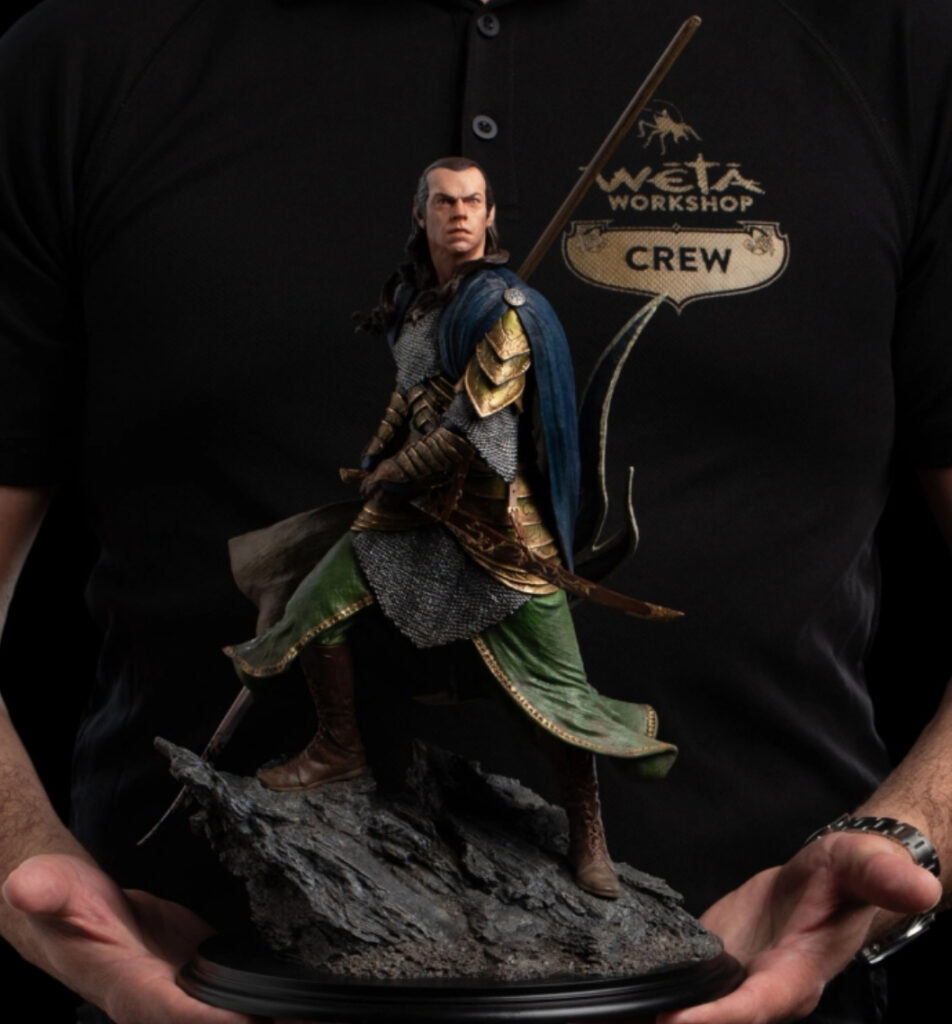
Our friends at Weta Workshop have unveiled their latest amazing statue fans can pre-order for their collections. If you’re like me and love The Battle of the Last Alliance sequence from The Lord of the Rings: The Fellowship of the Ring then you’re going to want to add this to your collection.
Elrond as we see him during the battle is now available for pre-order in 1:6 scale. He joins Elendil, Sauron, and Gil-Galad to create an amazing 4 statue setup of this sequence. Elrond comes in with a price tag of $699 USD, 1350 piece edition size, and will be shipping towards the end of this year. If you’re a fan of The Hobbit Trilogy then you have a chance to add the re-opened open edition of the Smaug Bust or the limited version of Smaug the Golden with an edition size of 900. The open edition of Smaug is $499 USD while the limited edition is coming in at $599 USD, with both due to ship in quarter 2 of this year.
Posted in:
Share:
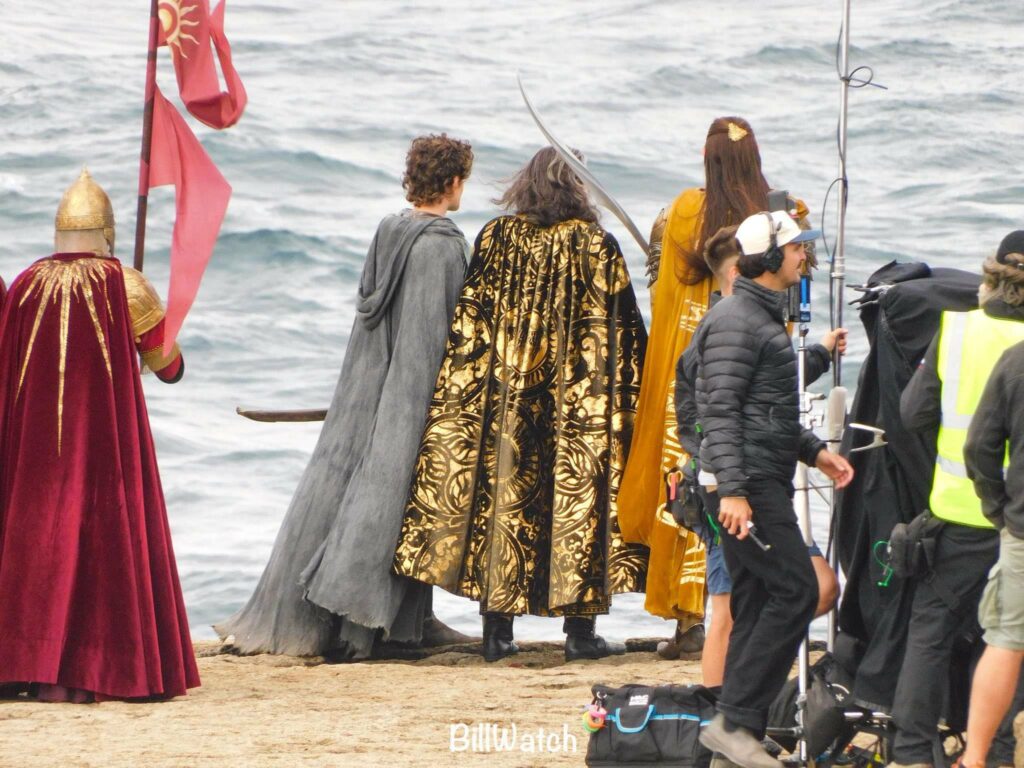
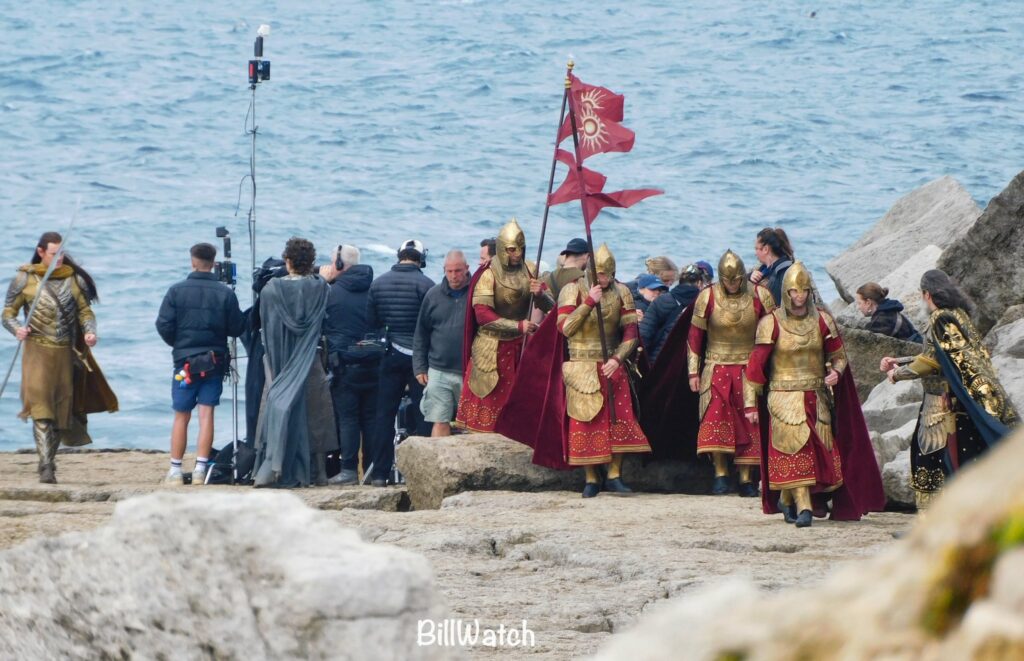
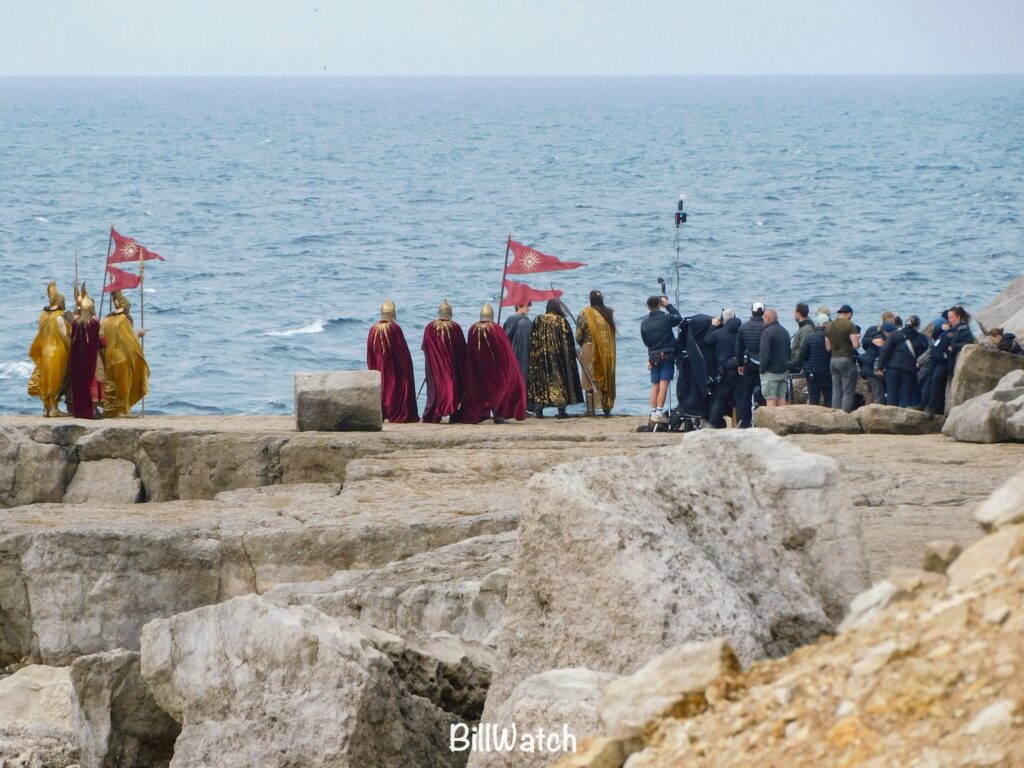
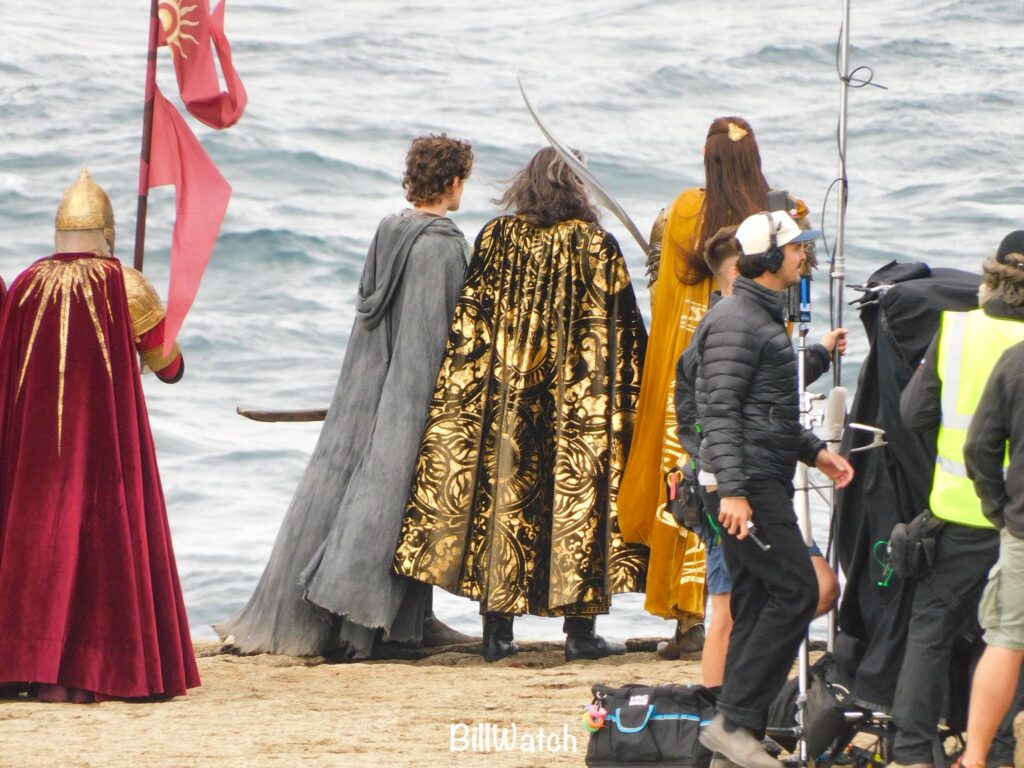
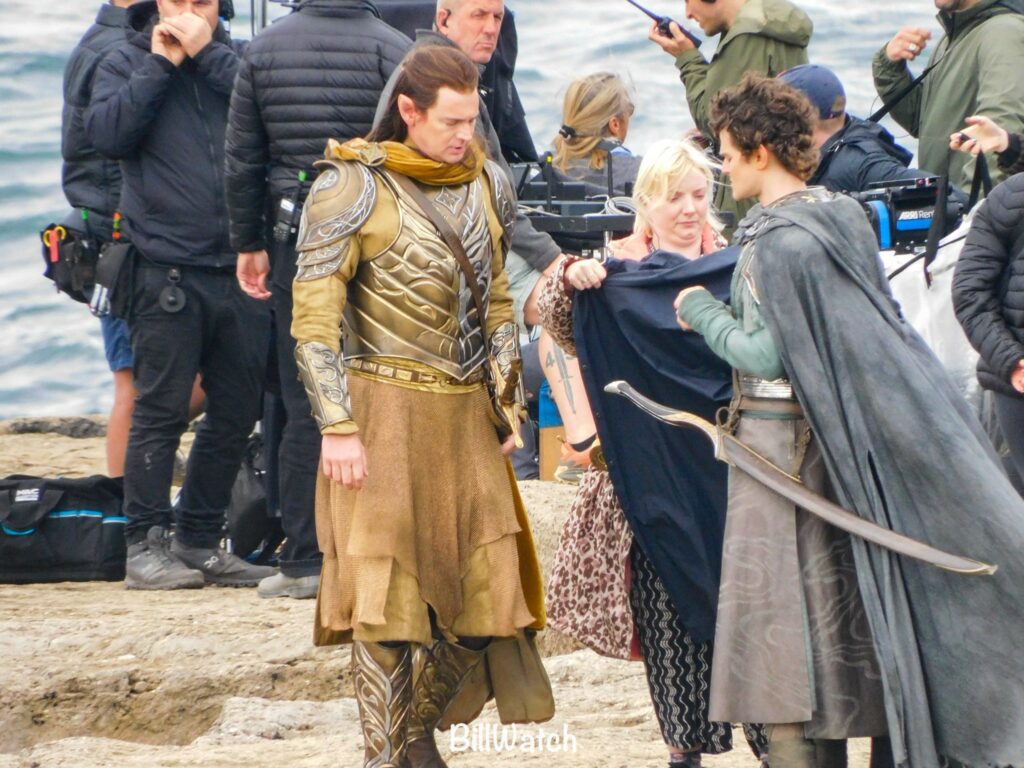
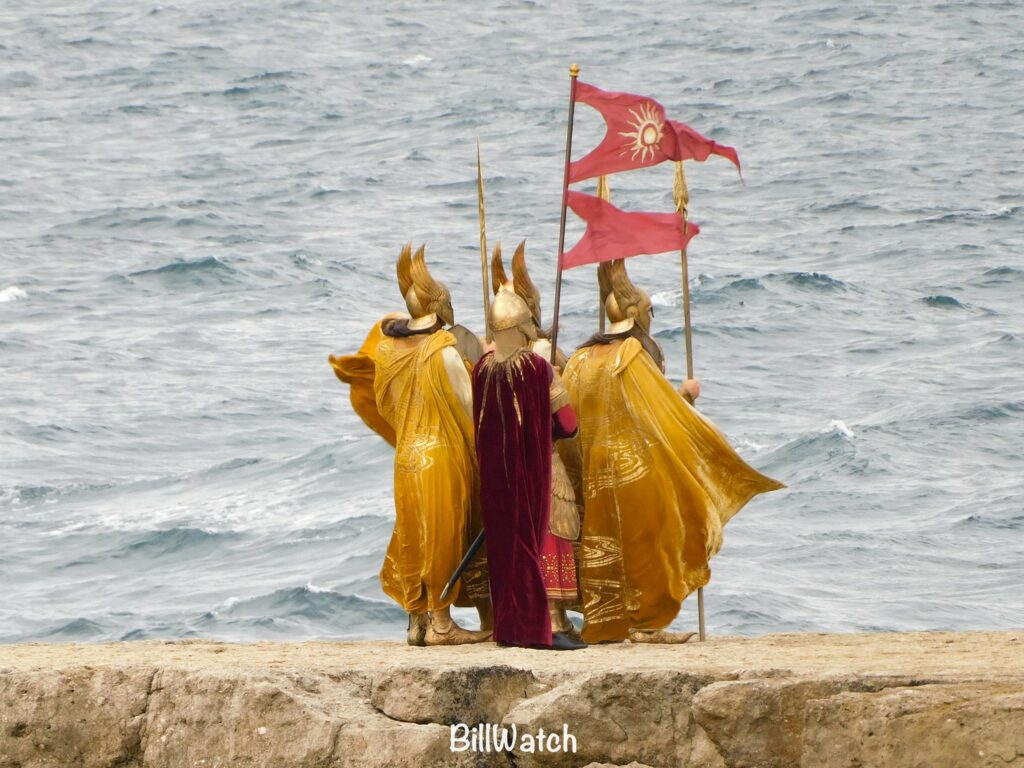
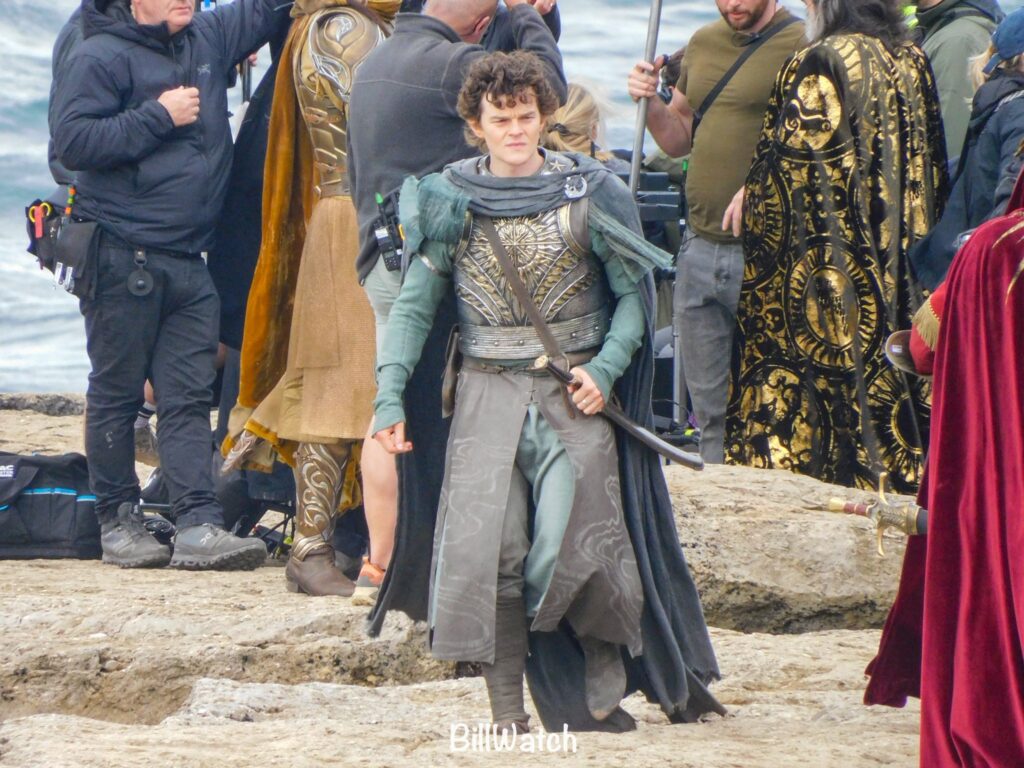
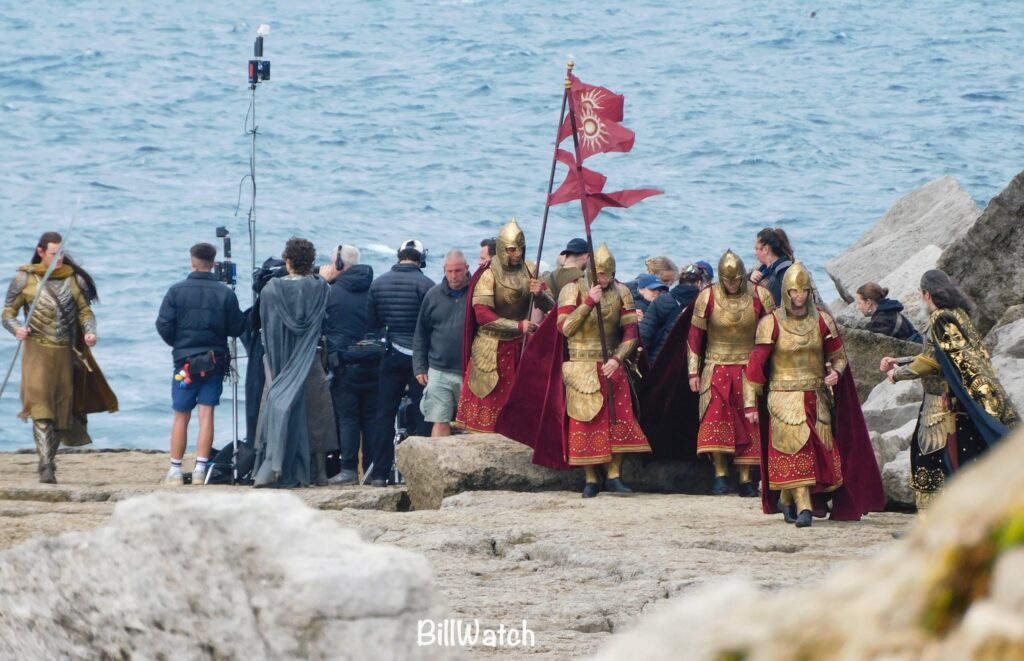
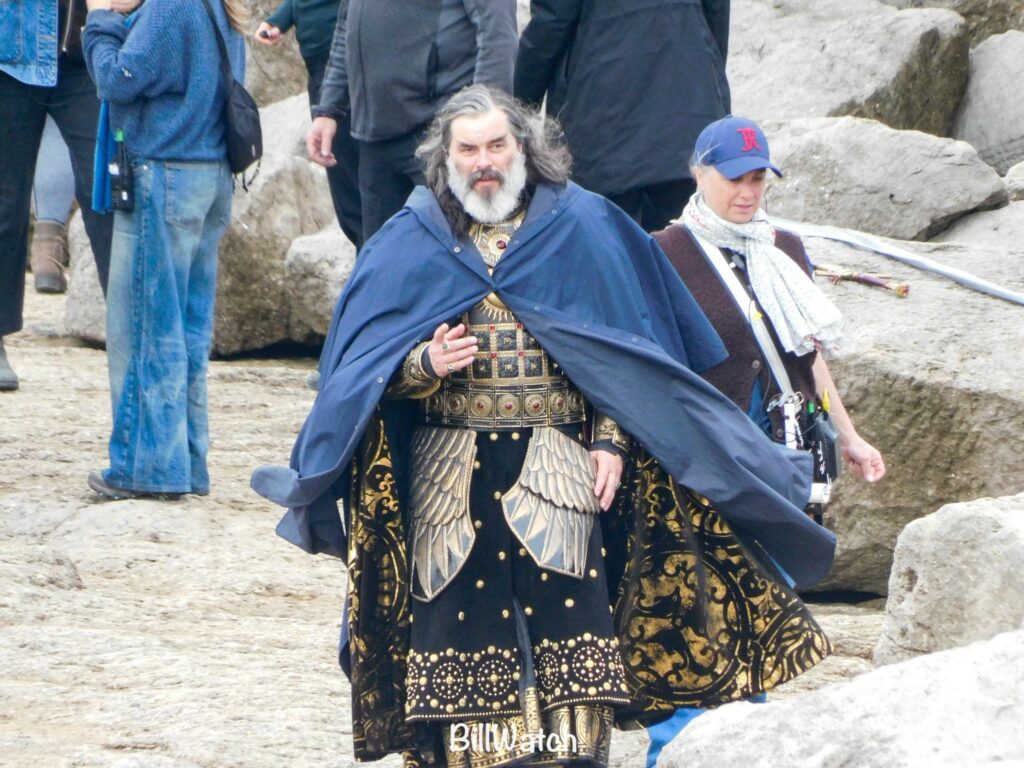
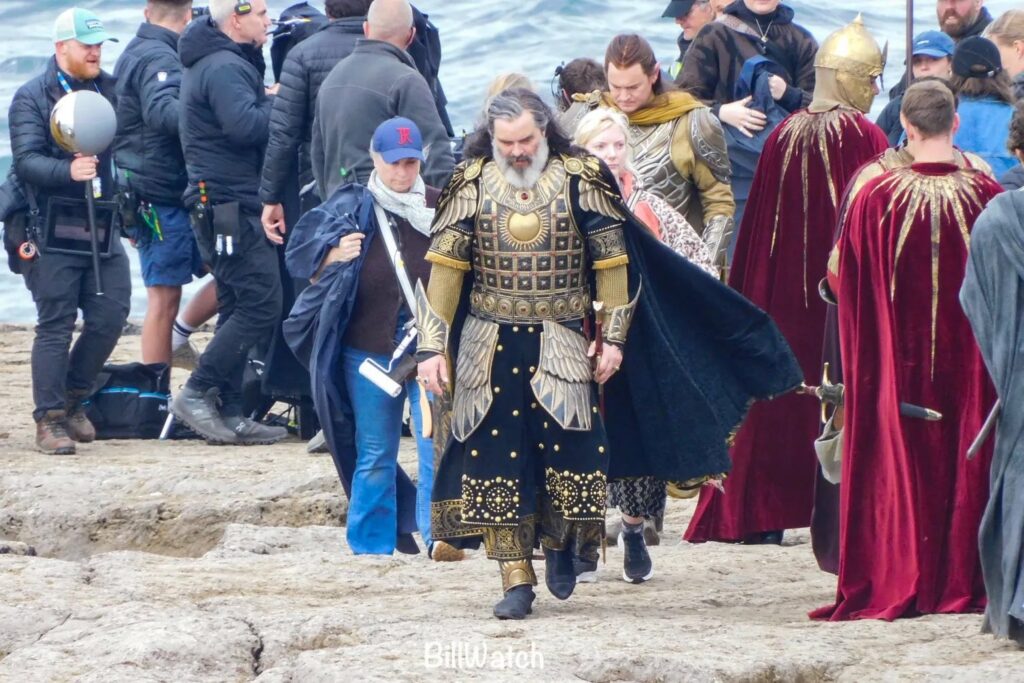
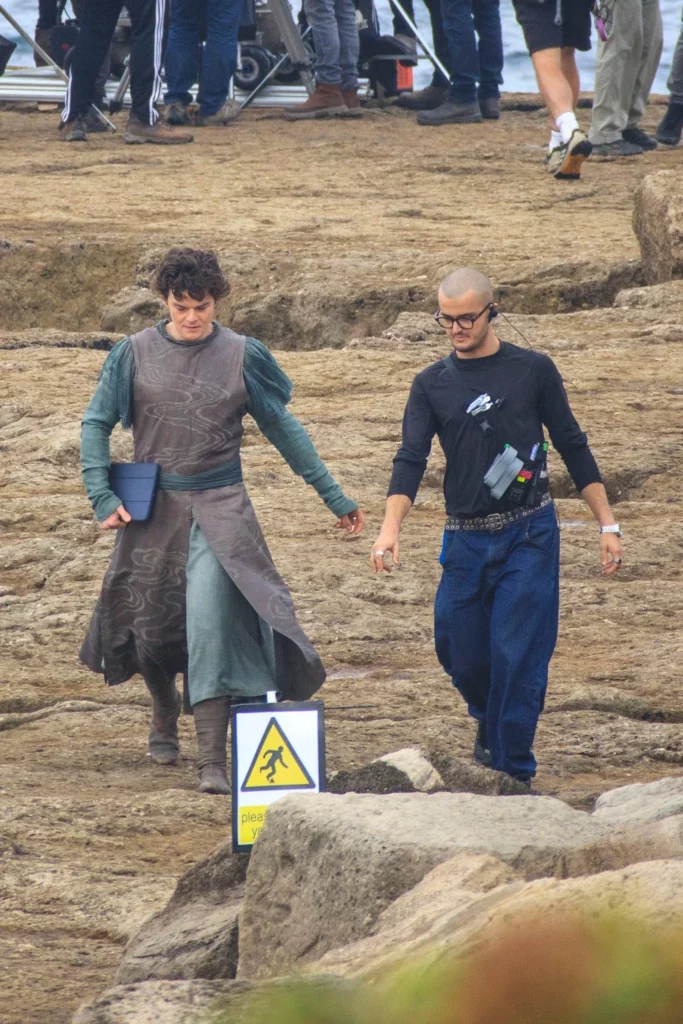
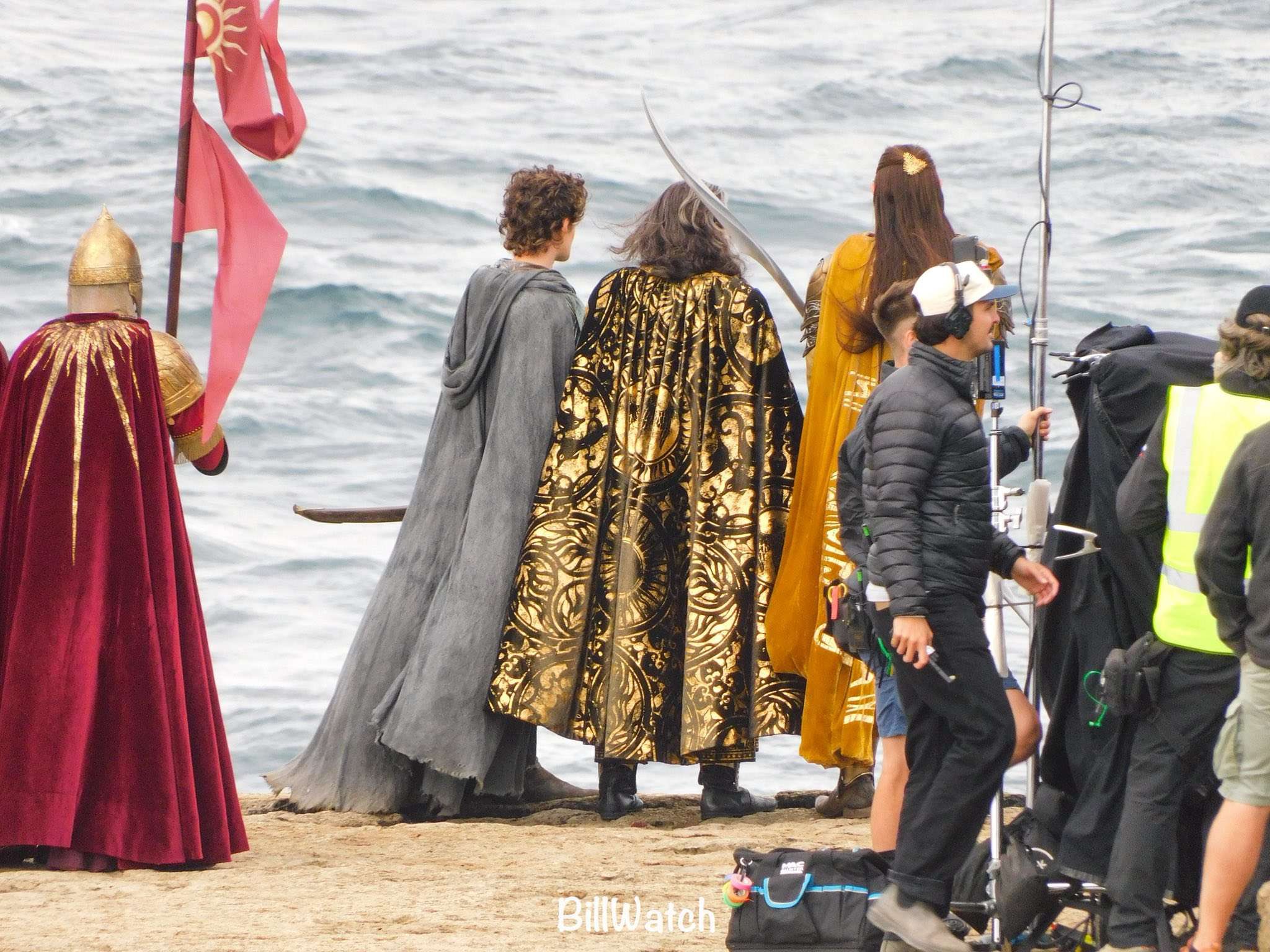
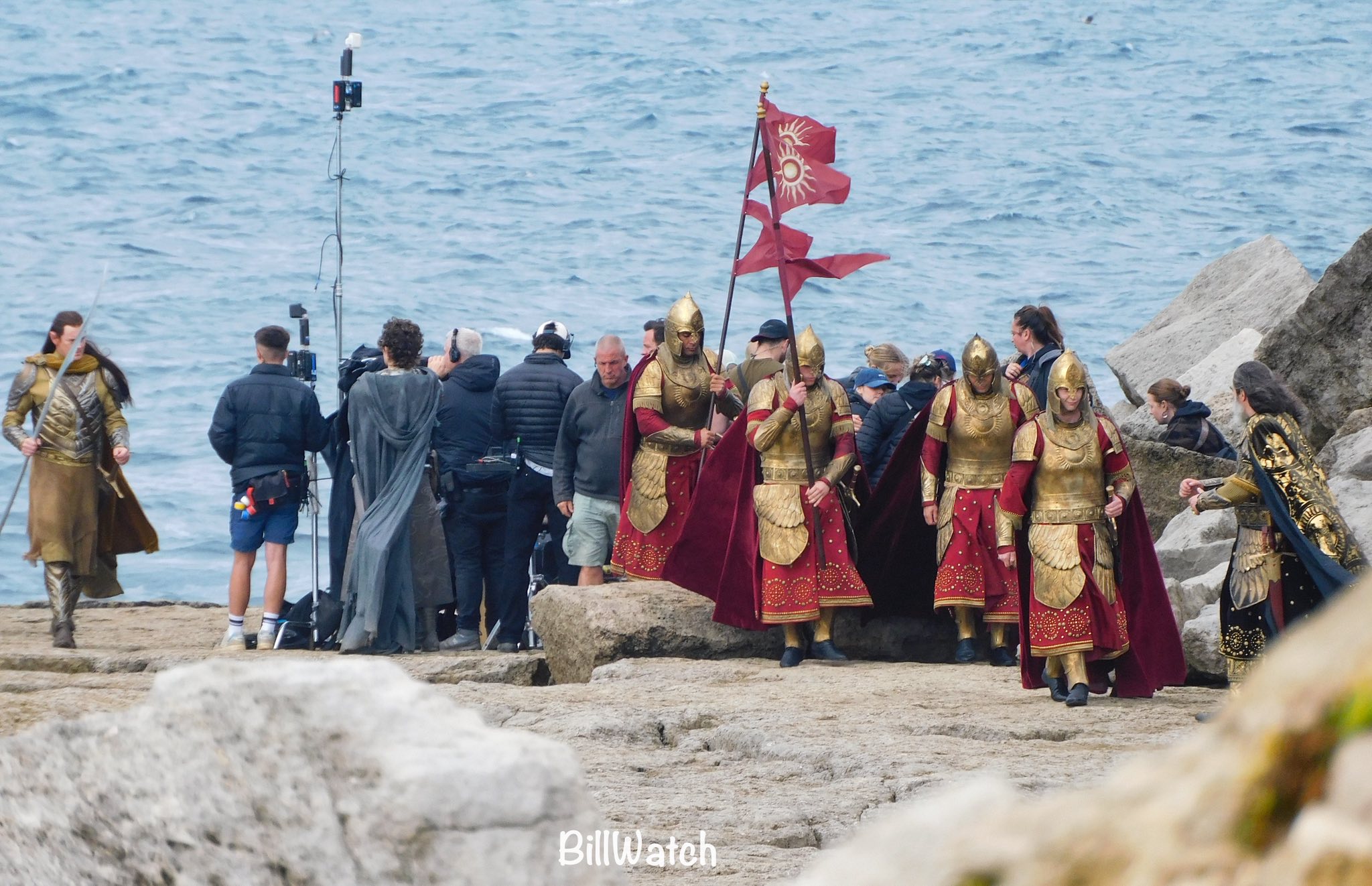
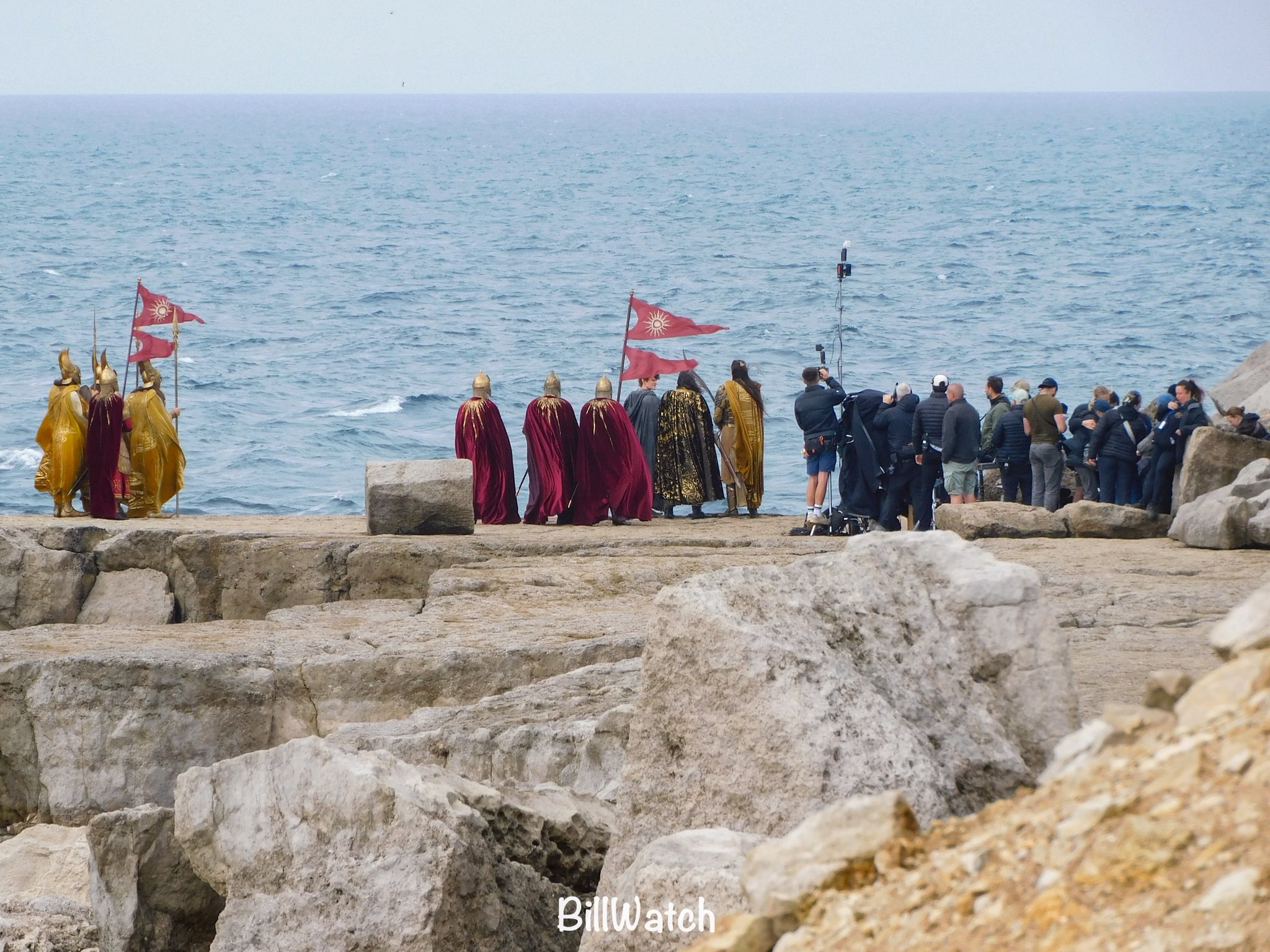
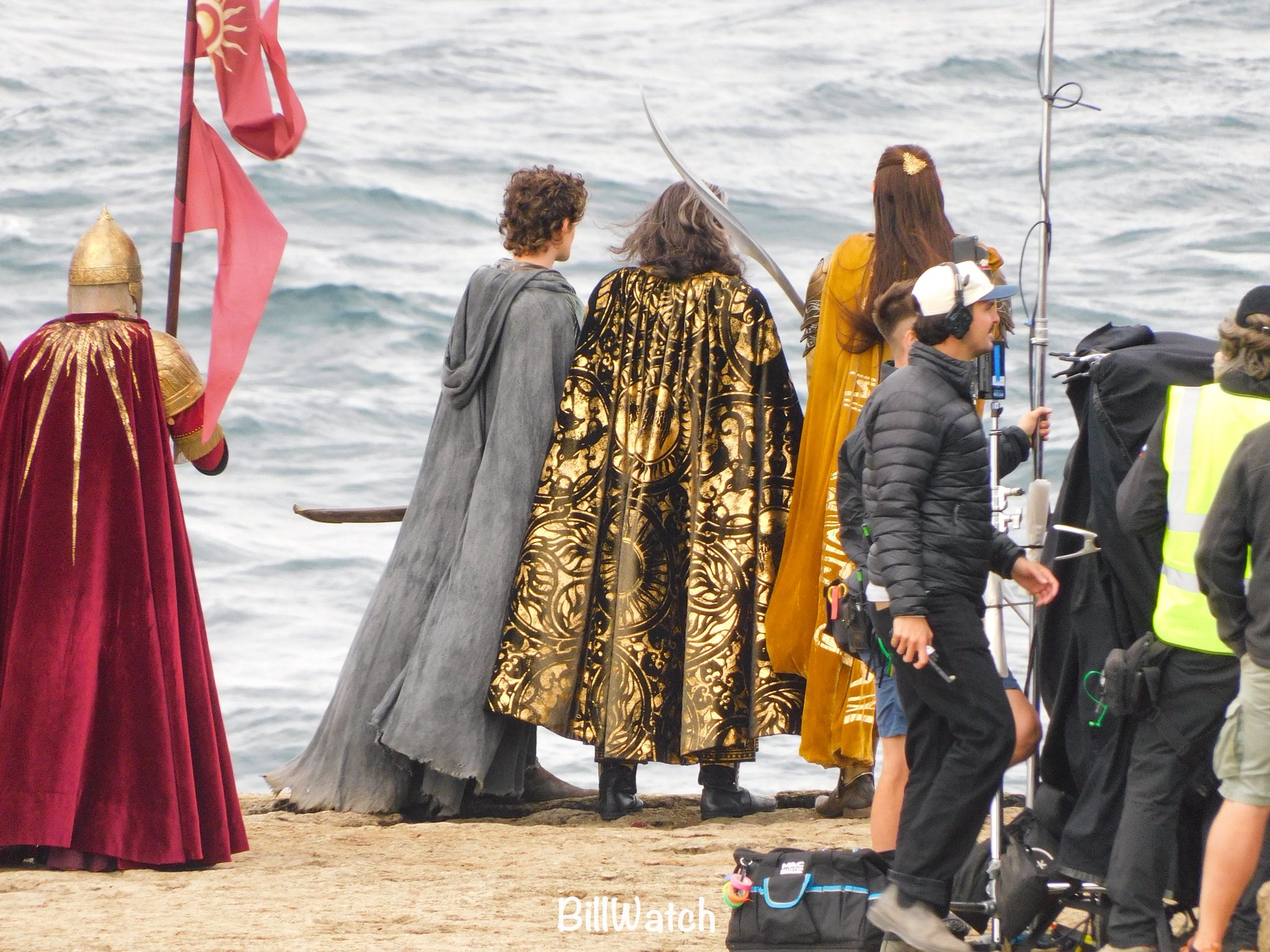
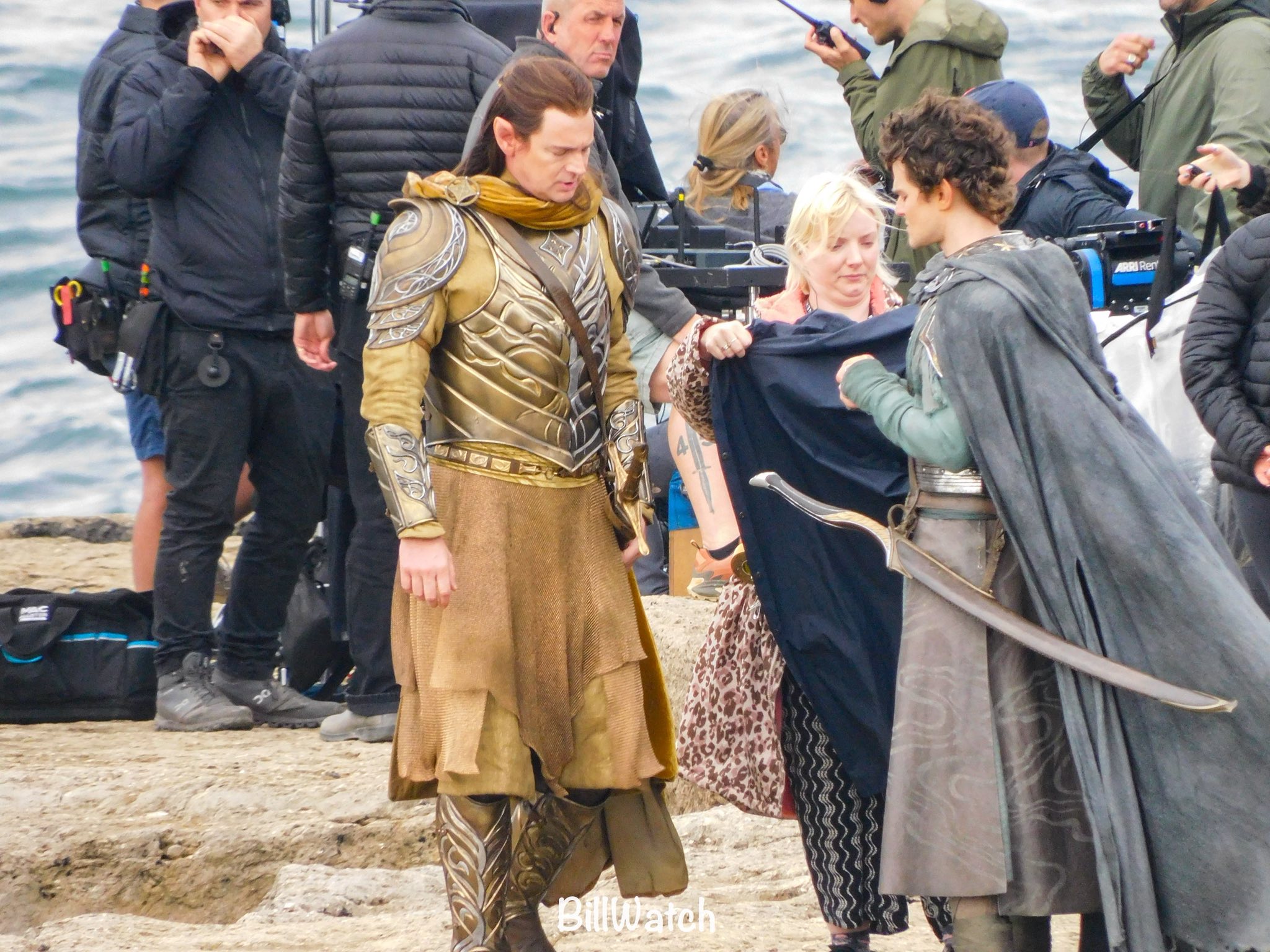
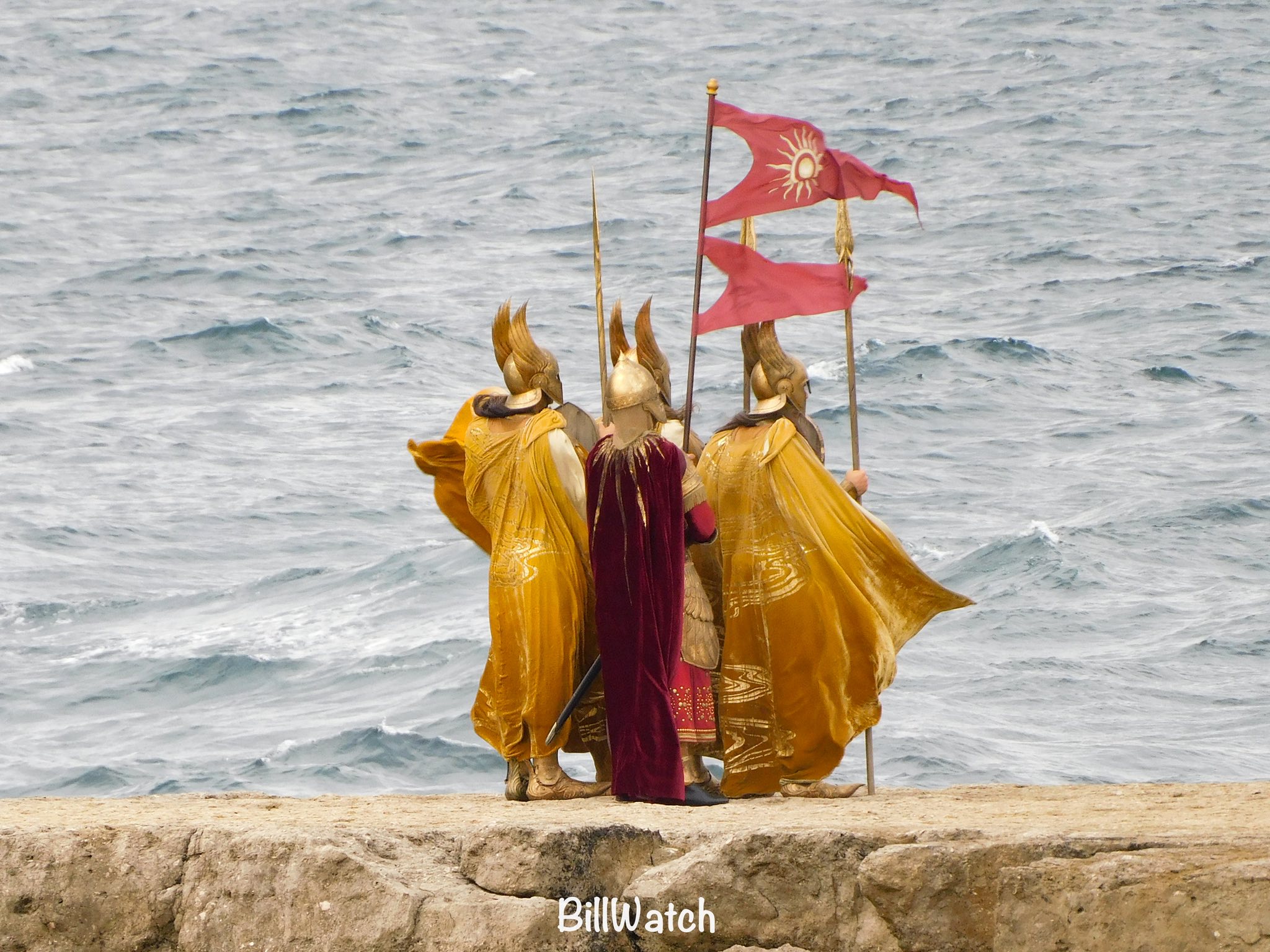
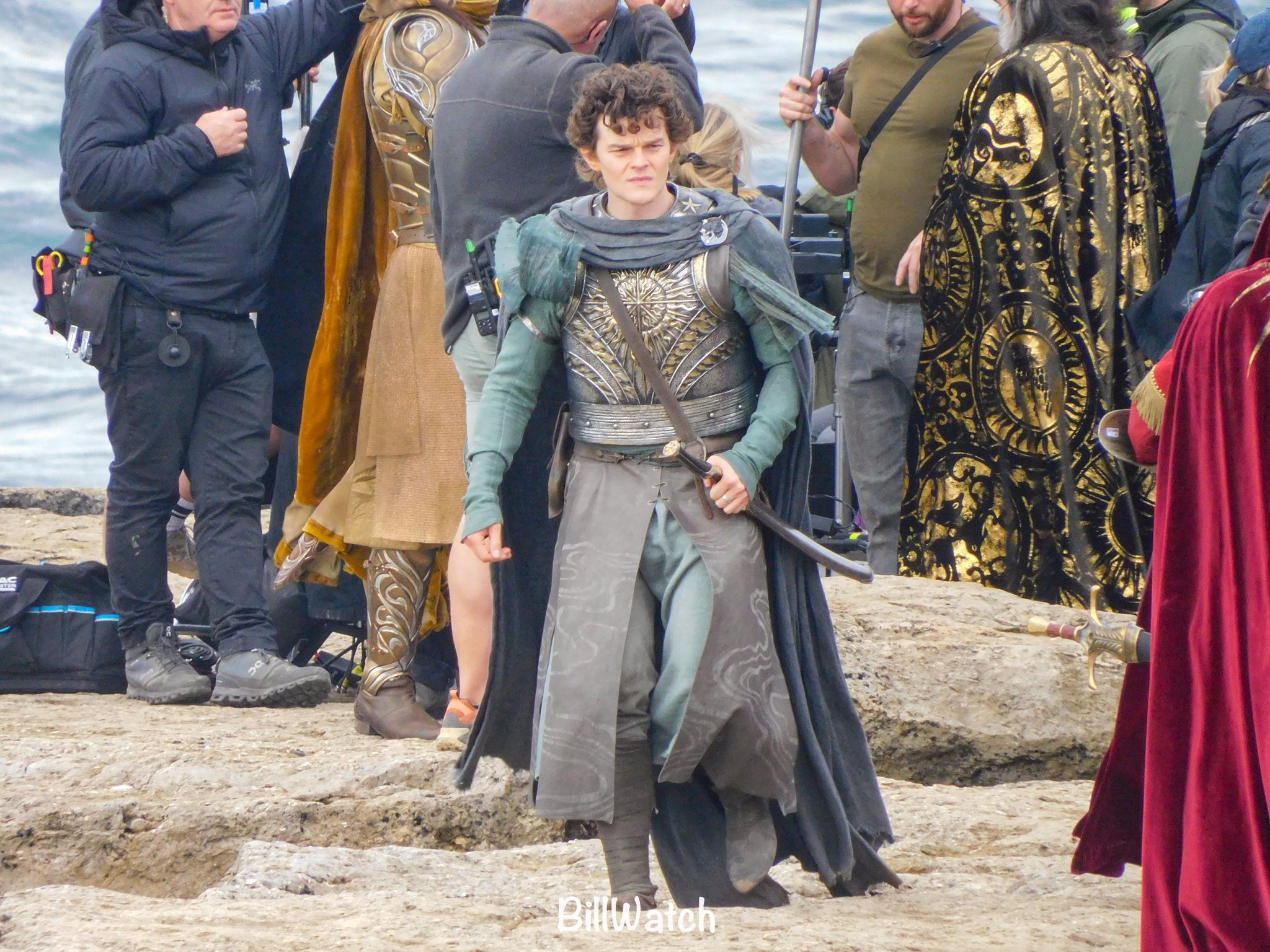
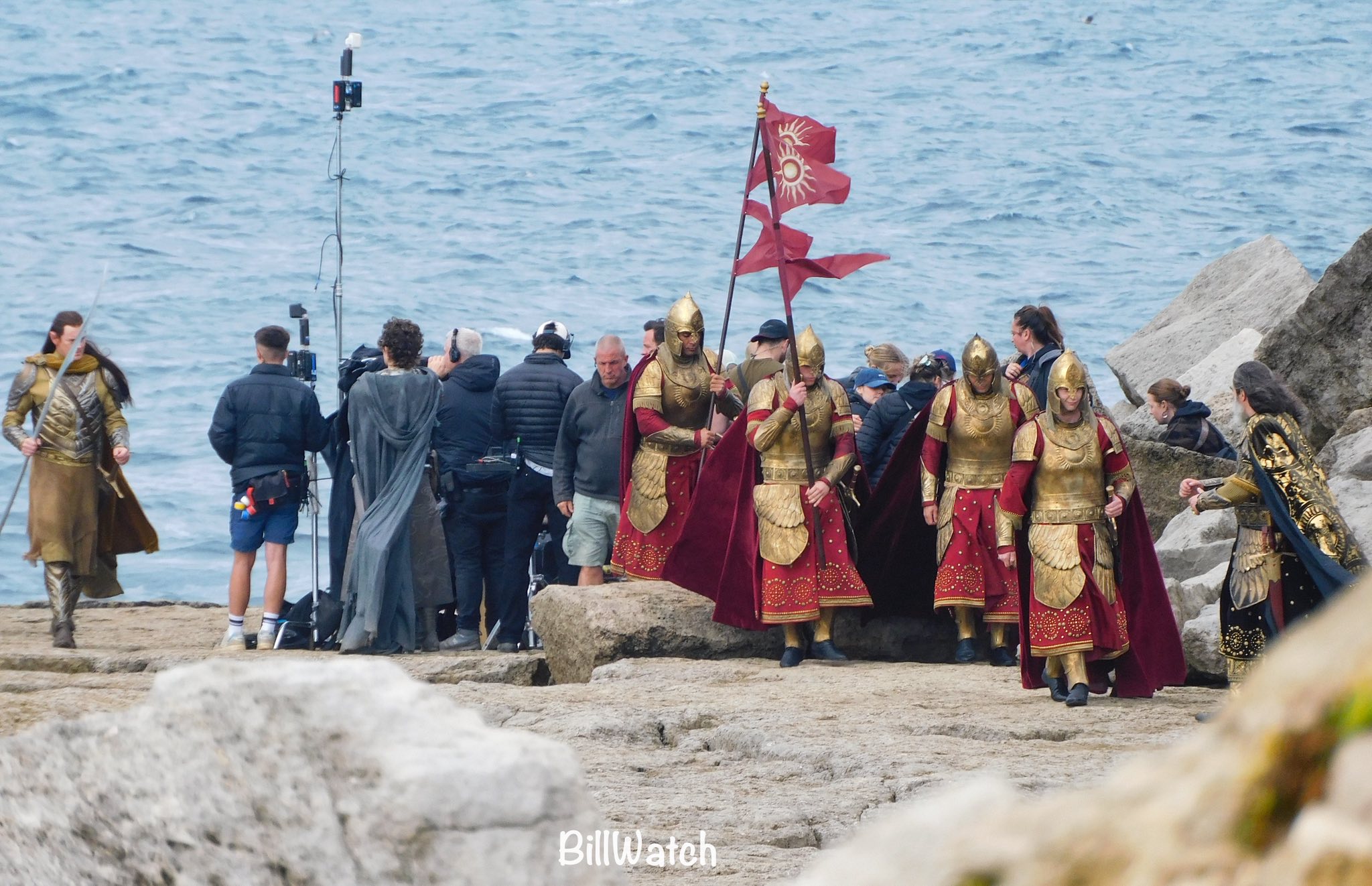
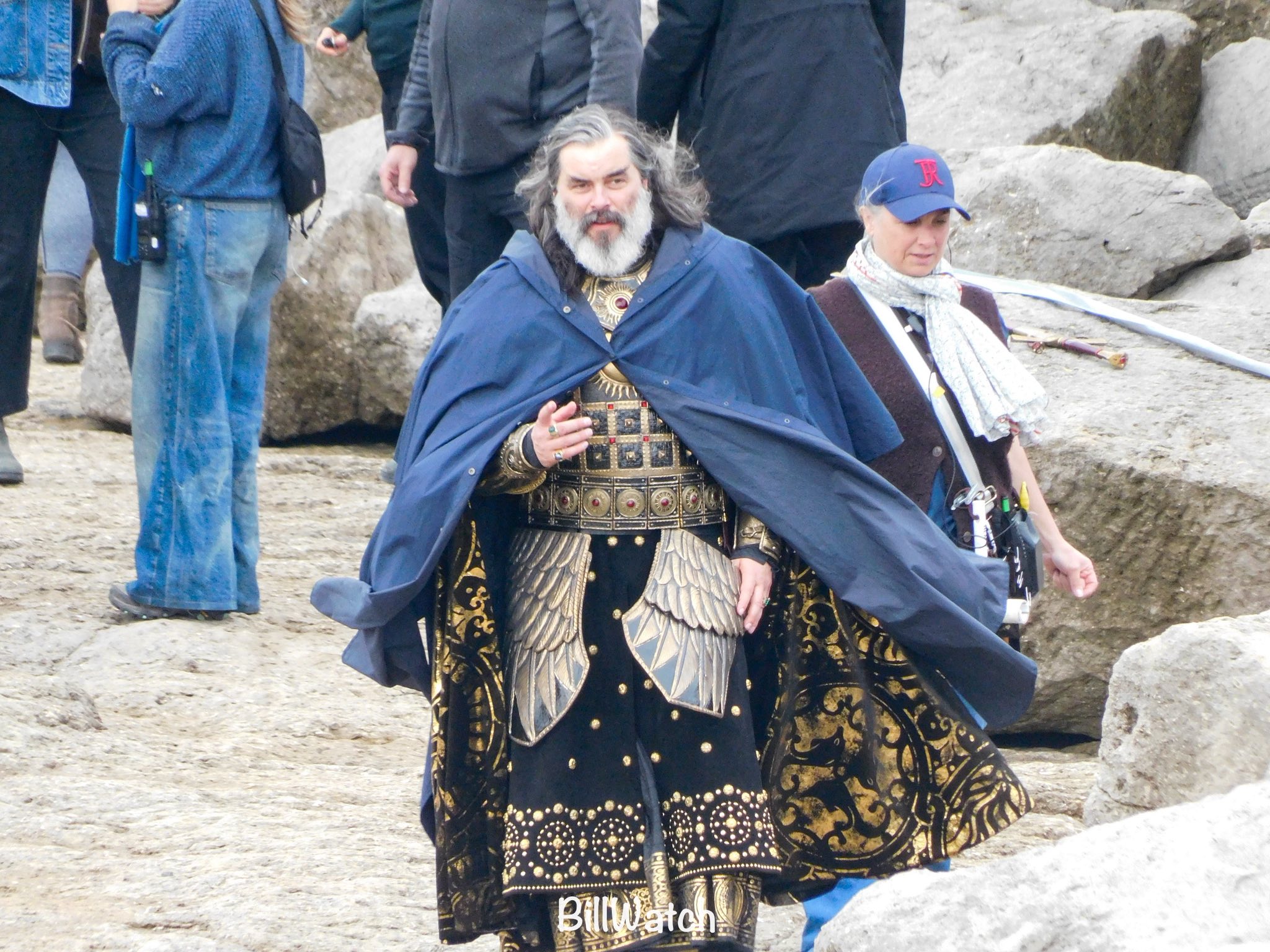
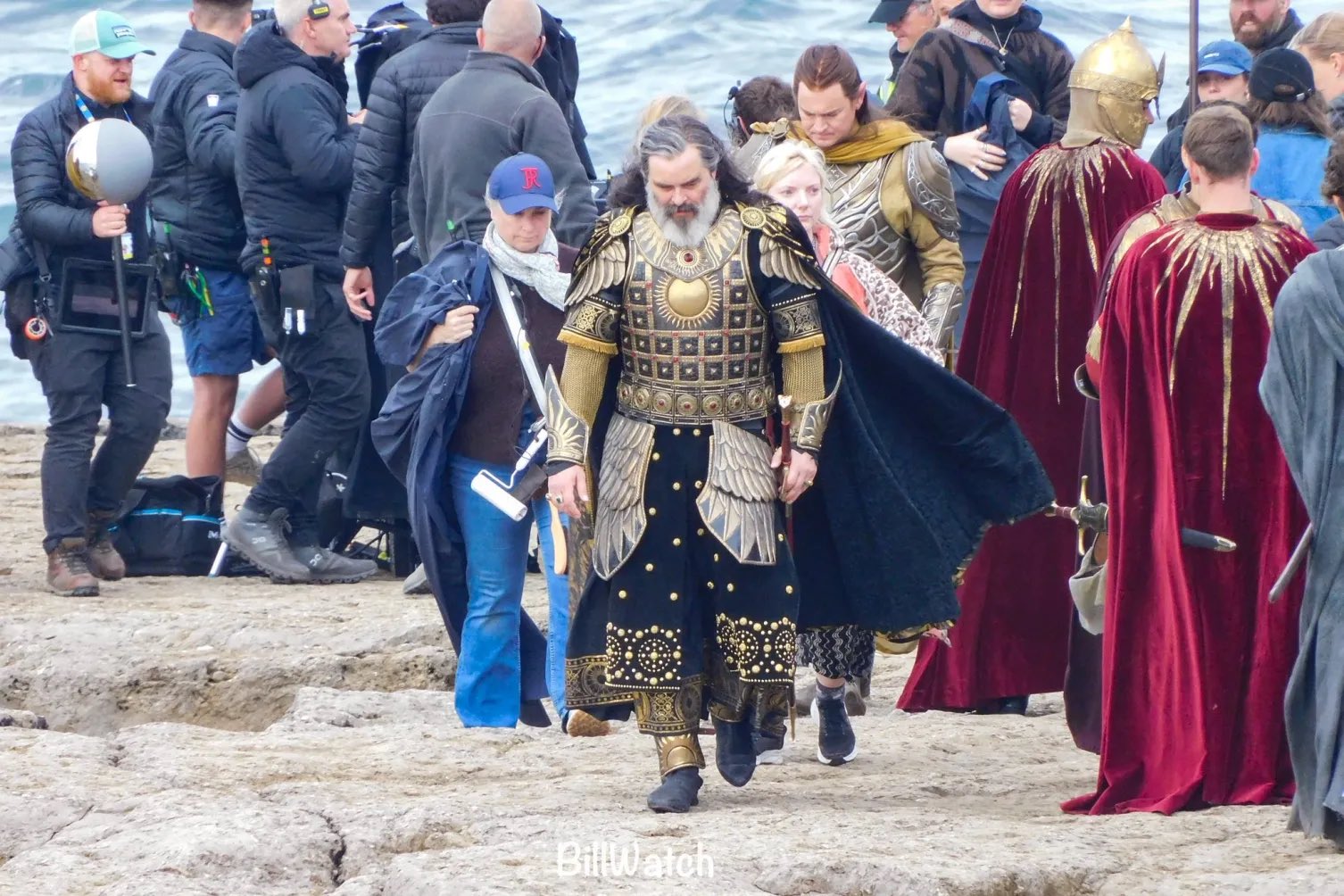
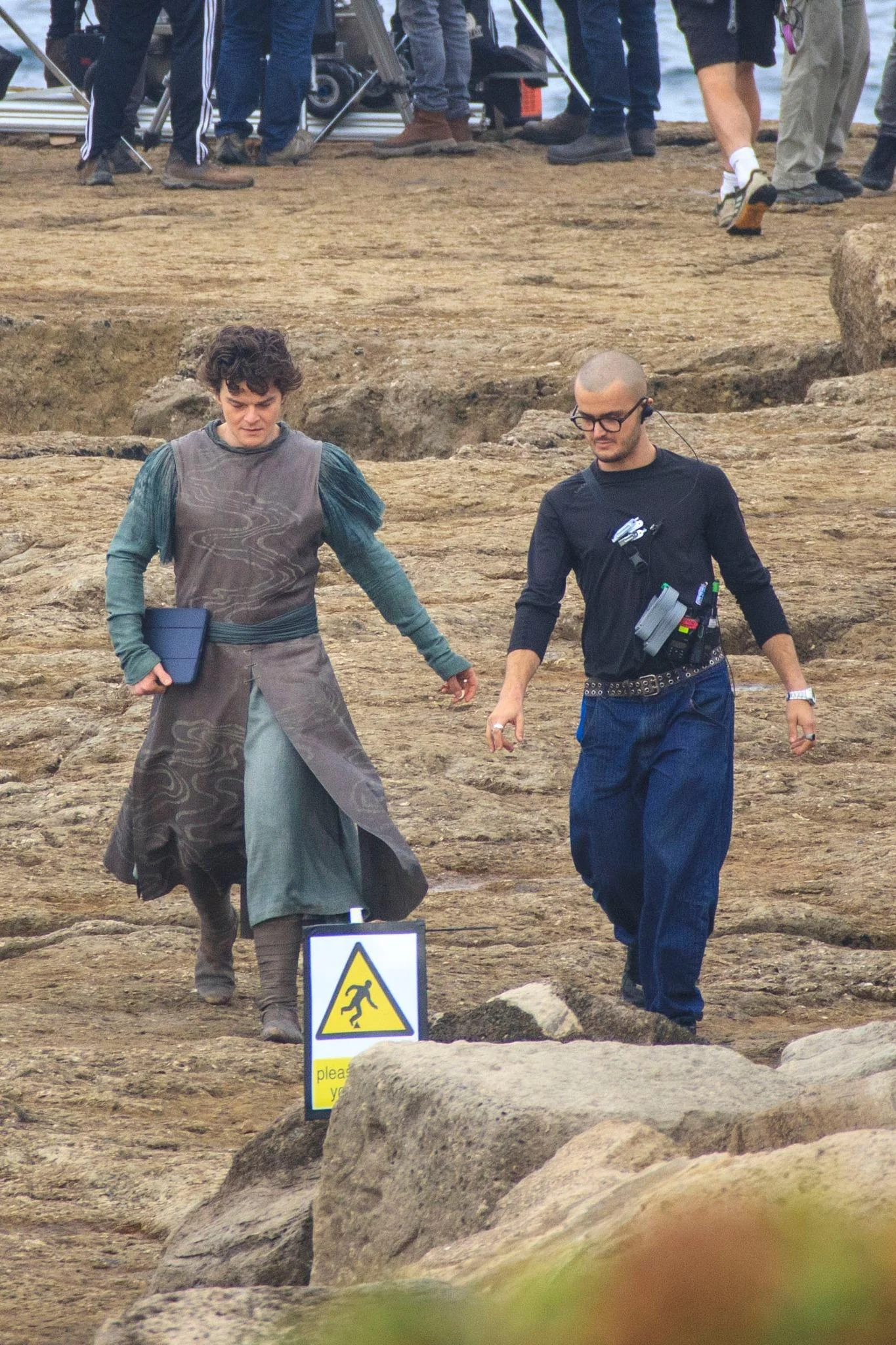
Three key Rings of Power characters spotted on the coast of Dorset, U.K. in huge location shoot with Prime Video
It seems that after, two seasons and six years, a long-expected meeting will finally occur during The Rings of Power season 3. Fans have been wondering when Gil Galad would meet his Numenorian counterparts for some elven diplomacy. Courtesy of professional scenic photographers Portland Bill, 20 photos were posted today from a location shoot for the third season of The Lord of the Rings show.
SPOILERS ALERT! 🚨🚨🚨
In these photos you can clearly see Gil-Galad (with his spear, Aeglos), Ar-Pharazôn (the Golden) and Elrond Half-elven all meeting on an ocean cliff. Could this be on the island of Numenor, or the coast of Middle-earth?
Fans are talking all about these photos in TORN Discord, the number one server for Tolkien fans.
Staffer Demosthenes here. My immediate impression is that the trio are waiting for someone (or a lot of someones) to arrive from the sea. Some additional info from aham_photos via a Tik Tok vid seems to support that:
…it was about two hours of them staring into the distance while the helicopter got loads of different shots.
There’s a section of Unfinished Tales that speaks of the “great armament” of then-king of Numenor, Tar-Minastir, arriving in the “very nick of time” to save Lindon from the depradations of Sauron and his hosts.
In 1695, when Sauron invaded Eriador, Gil-galad called on Númenor for aid. Then Tar-Minastir the King sent out a great navy; but it was delayed, and did not reach the coasts of Middle-earth until the year 1700. By that time Sauron had mastered all Eriador, save only besieged Imladris, and had reached the line of the River Lhûn. He had summoned more forces which were approaching from the south-east, and were indeed in Enedwaith at the Crossing of Tharbad, which was only lightly held. Gil-galad and the Númenóreans were holding the Lhûn in desperate defence the Grey Havens, when in the very nick of time the great armament of Tar-Minastir came in [emphasis mine]; and Sauron’s host was heavily defeated and driven back. The Númenórean admiral Ciryatur sent part of his ships to make a landing further to the south.
Now, supposing that Pharazôn is filling this Minastir/Ciryatur role (time compression), then maybe the trio are watching the arrival of the aforementioned armament having struck some grand bargain.
It would have to be some bargain, mind, maybe one of desperation, given Pharazôn has no real sense of fellowship with the Noldor. The king’s men and the elves are estranged. so it would need to be a very convincing “enemy of my enemy is my friend” thing, if you will.
One thing that comes to mind (big ups to Natasha on our Discord for mentioning this!) is the southern expansion of Sauron along the coasts that Akallabeth documents.
And sitting upon his carven throne in the city of Armenelos in the glory of his power, [Pharazôn] brooded darkly, thinking of war. For he had learned in Middle-earth of the strength of the realm of Sauron, and of his hatred of Westernesse. And now there came to him the masters of ships and captains returning out of the East, and they reported that Sauron was putting forth his might, since Ar-Pharazôn had gone back from Middle-earth, and he was pressing down upon the cities by the coasts; and he had taken now the title of King of Men, and declared his purpose to drive the Númenóreans into the sea, and destroy even Númenor, if that might be.
If Sauron were to also threaten Pelargir, where Kemen is based, that might force Pharazôn’s hand. This ultimately, ought to give Pharazôn the opportunity to take Sauron back to Numenor (at the end of S3) — very likely against the advice of his temporary allies.
Posted in:
Share:
Oaths hold an astonishing power in Tolkien’s Middle-earth. Here, TORn Discord member Narrative Epicure explores how Sauron and Elrond’s understanding of this fact drives each to behave very differently toward others.
~ Staffer Demosthenes
Concerning Oaths in Middle-earth
by TORn Discord member Narrative Epicure
In December 3018 of the Third Age, everybody’s lucky number was nine. After an involuntary white-water rafting trip down the Bruinen, Sauron’s Nazgûl returned to Mordor. These servants, so long bound to him by works he wrought in ages past, gathered once more in the dark shadow of Barad-dûr. In the Elven realm of Rivendell, Lord Elrond prepared a Fellowship whose journey would determine the fate of Middle-earth.
“The Company of the Ring shall be Nine;”1 he declared, “and the Nine Walkers shall be set against the Nine Riders that are evil.”2
Contrasts between the Ringwraiths and the Fellowship are legion, but in their preparations, one particular distinction reveals the nature of the hands that send them: while Sauron insists on sending servants bound to him by rings of power, Elrond demands nothing of anyone but Frodo (to not cast away the ring or deliver it to an Enemy). To the fellowship, he says, “no oath or bond is laid upon you.”3
As they depart on their journey south, he demands no promise from the nine he sent.
This difference between Elrond and Sauron is illustrative of each lord’s perspective on oaths and—to a larger degree—of the way each lord interacts with and treats the people of Middle-earth.
Concerning Oaths
Oaths and promises are fascinating subjects that could fill volumes on their own. On a surface level, an oath is a set of words promising some conduct or restraint. Yet, the way we treat an oath transforms it from a set of words to a power. In our own world, this power is usually subtle, intangible, and typically confined to the effects on psyche, trust, or the occasional legal ramification. In large part, oaths have over us what power we give them. In Middle-earth, this intangible power becomes tangible. Tolkien writes of oaths not only as if they have power, but as if they behave.
Oaths are living things that bless those who honor them, and occasionally impose consequences on oathbreakers. Tolkien describes the Oath of Fëanor (an oath that drives much of the action and conflict of the First Age) as “ever at work,”4 and on other occasions he says it has “slept now for a time.”5
In The Lord of the Rings, we see the terrible result of going back on your word when the Men of Dunharrow break oaths to fight Sauron and Isildur curses them to “rest never until [their] oath is fulfilled.”6
Tolkien’s writing ascribes another unique trait to oaths: they bind people to each other. Tolkien’s Legendarium offers many examples of this: the Oath of Eorl bound Rohan and Gondor together, the Oath of Finrod bound him to aid the kin of Barahir (at the cost of his life), and the sons of Fëanor were “bound by the oath”7 they swore.
But the people of Middle-earth can be bound even without oaths. When Melkor darkened the two Trees of Valinor, the Valar determined that the light of the Silmarils could restore the trees if Fëanor allowed their use. Fëanor refused. The Silmarillion describes him as “fast bound” to the Silmarils. Long before his oath, the love of his crafts bound him.
It was this binding power that Sauron would seek to replicate. In the Second Age, he bent the power of oaths back on itself, twisting it into the shape of rings, “for his desire was to set a bond upon the Elves.”8
Bound by Oaths
In Season 1 of the Rings of Power, young Elrond describes his outlook on oaths. “To some, [oaths] may now hold little weight, but in my esteem, it is by such things our very souls are bound.”9
He sees oaths as Tolkien wrote of them, and he uses them to build a web of collective strength. Elrond gives oaths. He enters them freely as a show of loyalty to those he cares about. Some may argue he enters them too freely.
Yet, despite the impetuous manner in which he binds himself to others, he’s hesitant to let others make oaths to him. When the Fellowship departs, and he asks no oath or bond, he explains some of his reasoning (paraphrased to just dialogue):
Gimli: “Faithless is he that says farewell when the road darkens.”
Elrond: “Maybe, but let him not vow to walk in the dark who has not seen the nightfall.”
Gimli: “Yet sworn word may strengthen quaking heart.”
Elrond: “Or break it.”10
He’s cautious to hold others to promises made without all facts. We see this again in the mines when he stops Durin from sharing his true name—an act that, while not an overt oath, would have bound the two together. And while he freely binds himself, he’s cautious with whom he makes such promises. Note that in Season 2, when Galadriel asks, he immediately refuses to swear any promise “whose asking is born of that ring.”11
But seconds later, he swears exactly what she wishes, only this time to her. He will not suffer himself to be bound to or by her ring, but holds no qualms for his friend. And despite his fears that she is bound to Sauron through that ring, he demands no similar oath from her lips.
At his core, Elrond believes oaths are about people. He cares much more about binding himself to others than binding them to him. He cares deeply about them. When he stumbled into Durin’s Mithril mine in Season 1, he wasn’t looking for mithril itself like Durin suspected. He was looking for his friend. He worried about Durin’s secrets and went there to maintain trust between them.
After swearing an oath to Durin, he’s given a nugget of mithril, which he immediately offers to return. His king sought that ore, but to Elrond, this was always about his friend. Incidentally, this outlook works to his favor. Durin never would have given him the mithril if it were why he came lurking.
Bound in Darkness
If Elrond is the give, Sauron is the take. Elrond builds strength, Sauron builds power. To the dark lord, the purpose of oaths is to ensure those beneath him remain subservient. We see this in the very terminology he uses. He almost always eschews the word “oaths” in favor of “binding.” He doesn’t want to forge webs like Elrond; he wants to forge chains.
Sauron is cautious about oaths he swears. When faced with no alternative, he tries to manipulate them in his favor. “I swear to serve the lord of Mordor”12 is the juicy example that springs to mind. He’s there to bind others to him, not the other way around. Oaths don’t show loyalty or closeness, they keep others in line.
In the finale of Season 1, he asks Galadriel to bind herself to him. What he wants from Galadriel is a promise—an oath—so he can make her a queen, fair as the sea and the sun, stronger than the foundations of the earth. But notice again his subtlety. He offers her effectively nothing. “You bind me to light, and I bind you to power.”13
In exchange for her legitimizing his “healing” of Middle-earth, he binds her to power. But in Sauron’s estimation, he is that power. He binds her to him, and in exchange, she validates his rule. But as Gandalf famously warned Saruman, “he does not share power.”14
He’s promised her only chains.
Since he cannot elicit true loyalty, Sauron must demand it. He can deceive and win hearts, but he cannot keep them. It is this inability to earn true loyalty that—in part—drives Sauron’s need for the rings. Elrond cares for people while Sauron seeks only what he can use from them.
Each ring of power is a literal manifestation of that search for utility. If the people of Middle-earth will not swear to him, he will find some other way to bind them to him.
Frodo observed that “the Shadow . . . can only mock, it cannot make: not real new things of its own.”15
Unable to make bonds and elicit oaths, Sauron mocks, imitating the power of an oath’s bond with his rings. That involuntary bond shreds trust, but he doesn’t need trust when he has control. Dominate some creatures, bind others, make empty promises, and—when your army is threatening enough—maybe some people will swear with less coercion and deception.
And so, nine walkers set out from Rivendell, each a hero, while nine riders set out from Mordor, each a thrall. Sauron told us his plan from a prison cell in Númenor: “identify what it is that [a person] most fears . . . [and] give them a means of mastering it so you can master them.”16
Elrond’s line of thinking would likely be more along the lines of “identify what it is that a person most fears, and swear to protect them from it.”
With that contrast laid out, it’s clear in which fellowship you’d find better company.
About the author: Narrative Epicure is an aspiring loremaster and practicing attorney longing to read or write things that aren’t legal. When he’s not buried in Tolkien’s Legendarium, he enjoys books, board games, and other activities with his Fellowship, which includes his wife and three daughters.
Footnotes
If you have a Tolkien/Middle-earth inspired poem you’d like to share, then send it to poetry@theonering.net. One poem per person may be submitted each month. Please make sure to proofread your work before sending it in. TheOneRing.net is not responsible for poems posting with spelling or grammatical errors.
Posted in:
Share: