

Where was Gondor? Well, it’s finally here (after we speculated about it some years ago)!
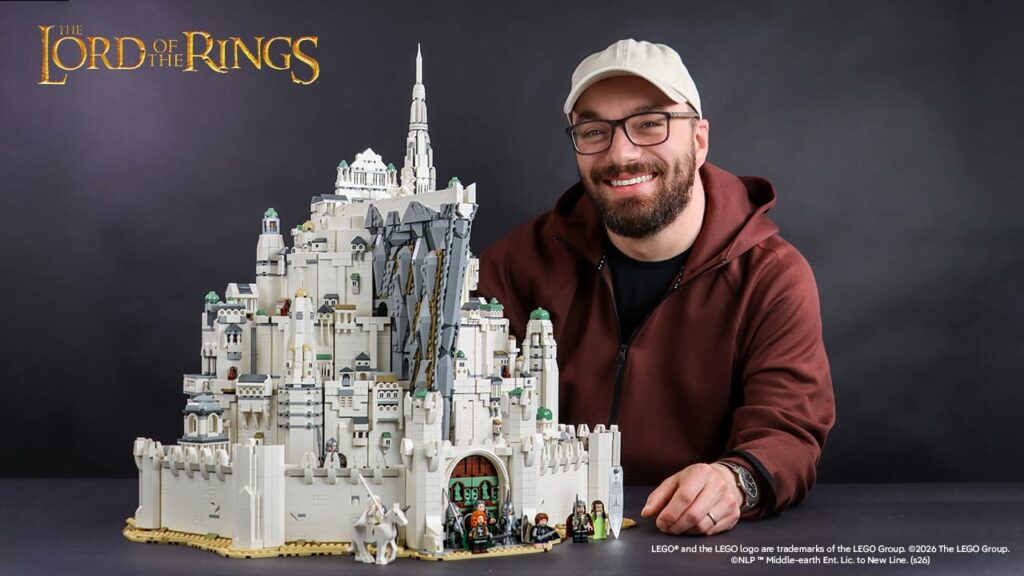
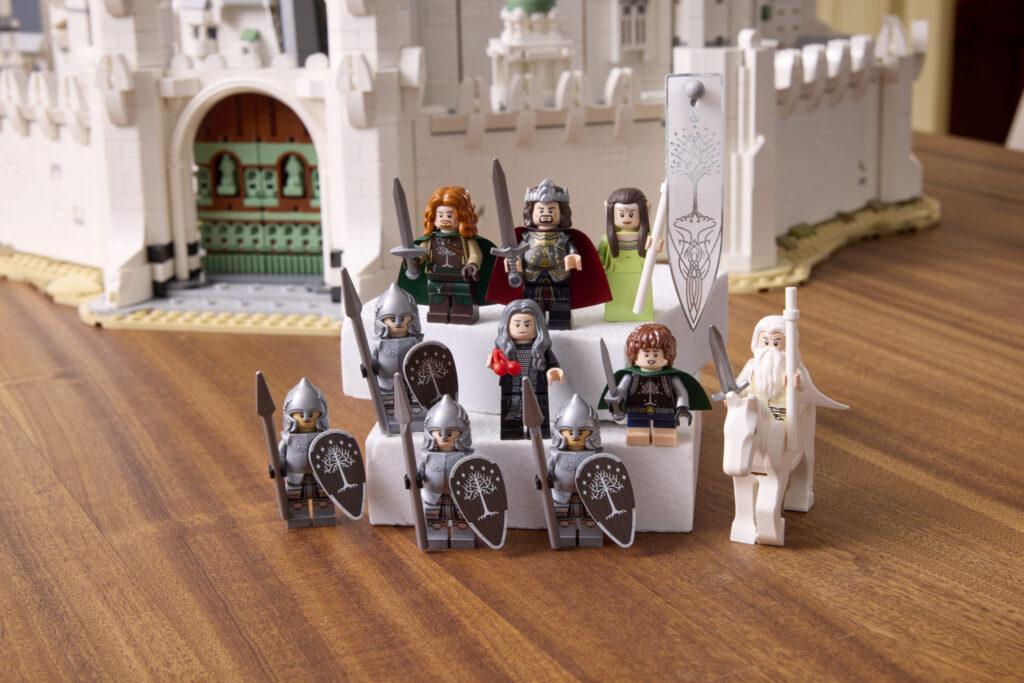
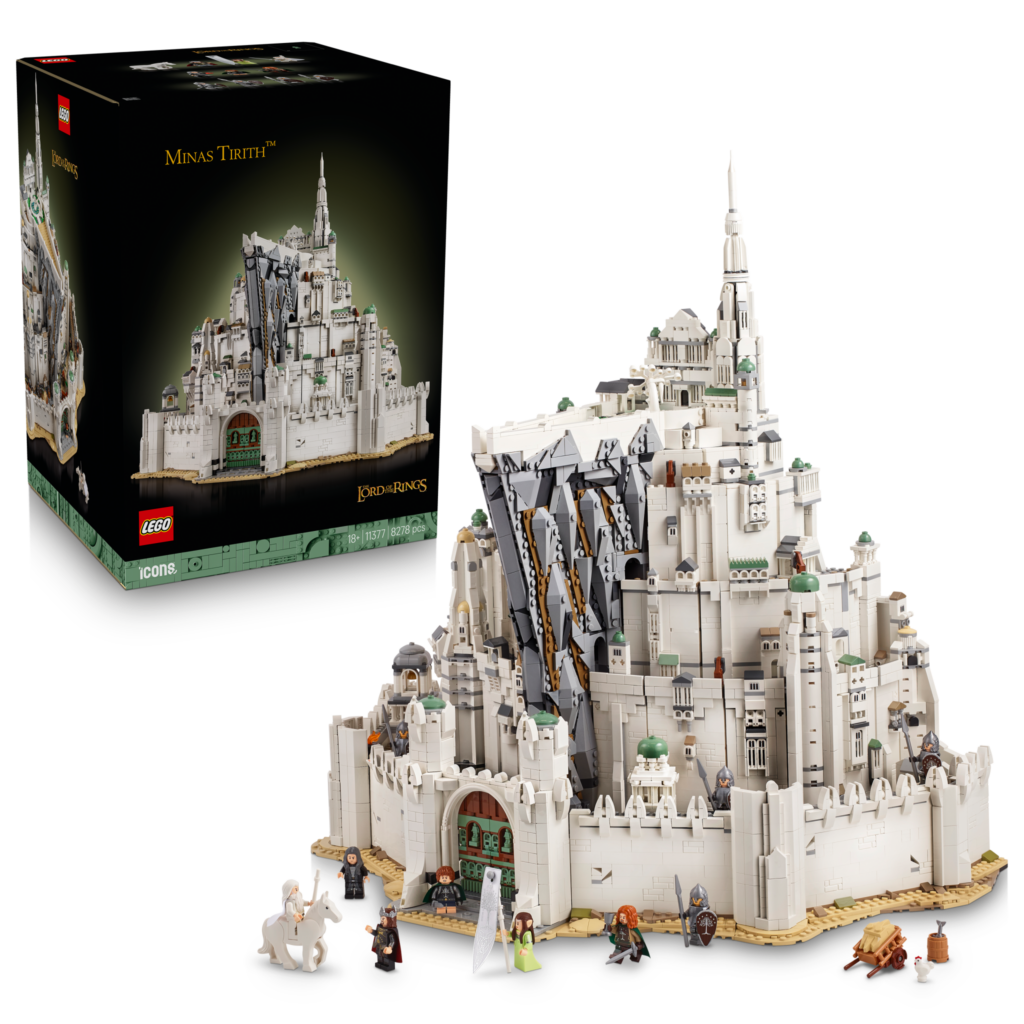
Minas Tirth, LEGO’s epic addition to its Lord of the Rings line has been available for the past month, and the reviews have been as welcoming as ringing silver trumpets from the White Tower of Ecthelion as they call her denizens homeward. Even with a price point that leans more toward high-end collectors, this first Gondorian offering has received accolades for balancing a grand scale with memorable micro scenes; exclusive mini-figures like Faramir, Denethor, and Shadowfax; and for the mathematically minded, even a price per its 8,278 pieces that is remarkably good for a licensed set at this scale.
Plus some of us had to wait a month to receive this masterwork as our birthday present, my precious. No murder was involved. We also received the gift of some deeper insight into how the Tower of the Guard moved from concept to our ever more crowded shelves. Read on to find out more, in our interview with LEGO designer François Zapf.
Decision making
TheOneRing: What were some of your more difficult creative choices that you had to make as you designed the Minas Tirith set? Were there things that you wished you could have incorporated, but that got left on the ‘cutting room floor’? Were there features that you fought for and were able to get included?
François Zapf: The hardest calls were always about scale versus story. Every interior location we included meant real estate that couldn’t go elsewhere, and Minas Tirith has so many spaces that matter to people. Our focus was on including the locations that best captured the story we wanted to tell within the model.
A key design priority for me was preserving the details of the upper city. There was a point where it would have been easier to simplify the microscale sections to keep the piece count manageable, but I felt strongly that if you’re going create the Minas Tirith, you have to do the silhouette justice. The layering of those walls, the way the city climbs the rock – that’s the whole point of it.
Working within LEGO constraints
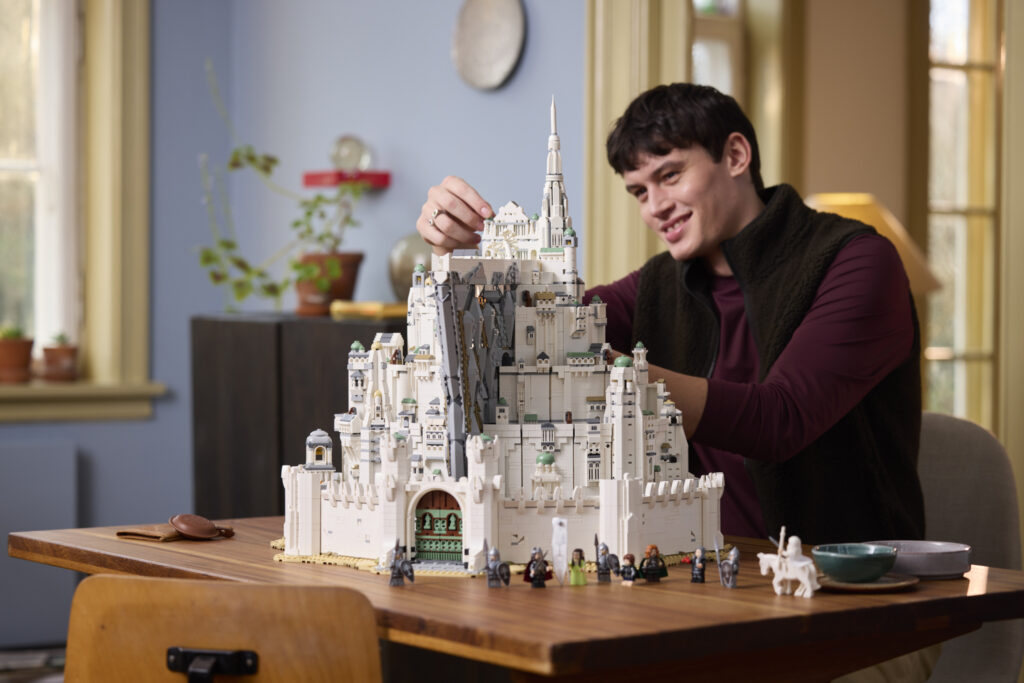
OneRing: Given any LEGO design has to work within a set colour palette and collection of piece shapes, are there particularly creative ways that you were able to apply the standard LEGO collection to the Minas Tirith design? Are there any custom shapes or colours that you were able to integrate into this set? If so, what’s the process like to get approval for customised pieces and shapes?
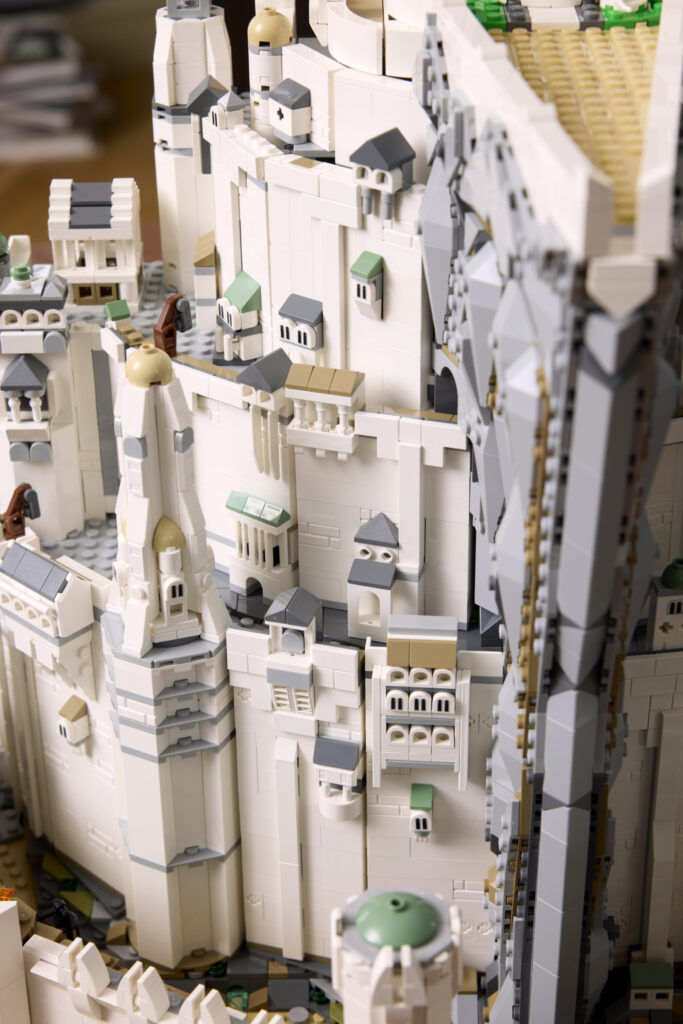
FZ: Working within the existing palette is one of the most creatively stimulating constraints while designing at the LEGO Group. Minas Tirith is essentially white stone, but “white” in LEGO brick terms is more nuanced than it sounds. We used combinations of light grey, white, and tan LEGO bricks to suggest age, weathering and depth, giving the city that sense of having stood for thousands of years rather than looking freshly painted.
To achieve a structure as complex as Minas Tirith, we had to get creative with a wide variety of existing LEGO elements. One of my favourite techniques was using the D-SNOT [studs not on top] element to create the city’s arches and windows and repurposing a cockpit canopy piece to form part of the upper wall. Finding unexpected uses for familiar elements is one of the most enjoyable parts of the design process. Where new elements or colours are introduced, they’re carefully considered to ensure they meaningfully enhance the final model. We always look for opportunities to achieve the desired result with existing elements in creative ways, introducing new moulds or colours only where they add genuine value to the build experience or final model.
OneRing: The Minas Tirith set echoes the design approach we’ve seen in other LEGO sets like Barad-dûr and Orthanc — a smaller scale exterior and a larger scale interior on the opposite side of the model. What’s your approach for deciding what to include in that larger scale set of interior features? And were there particular figures that you left out, given those design choices?
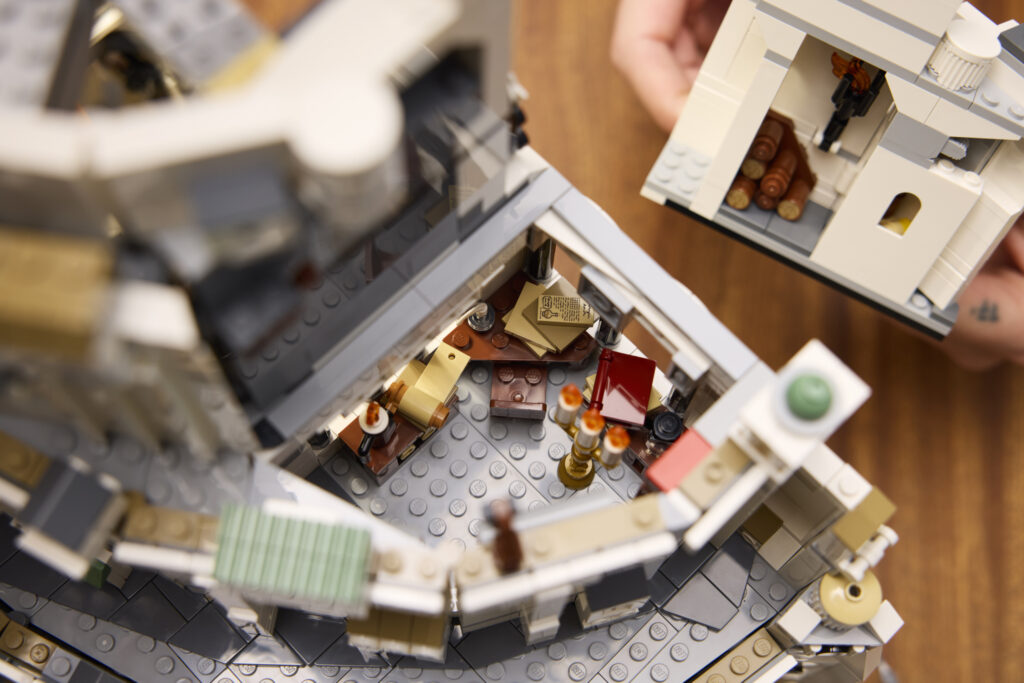
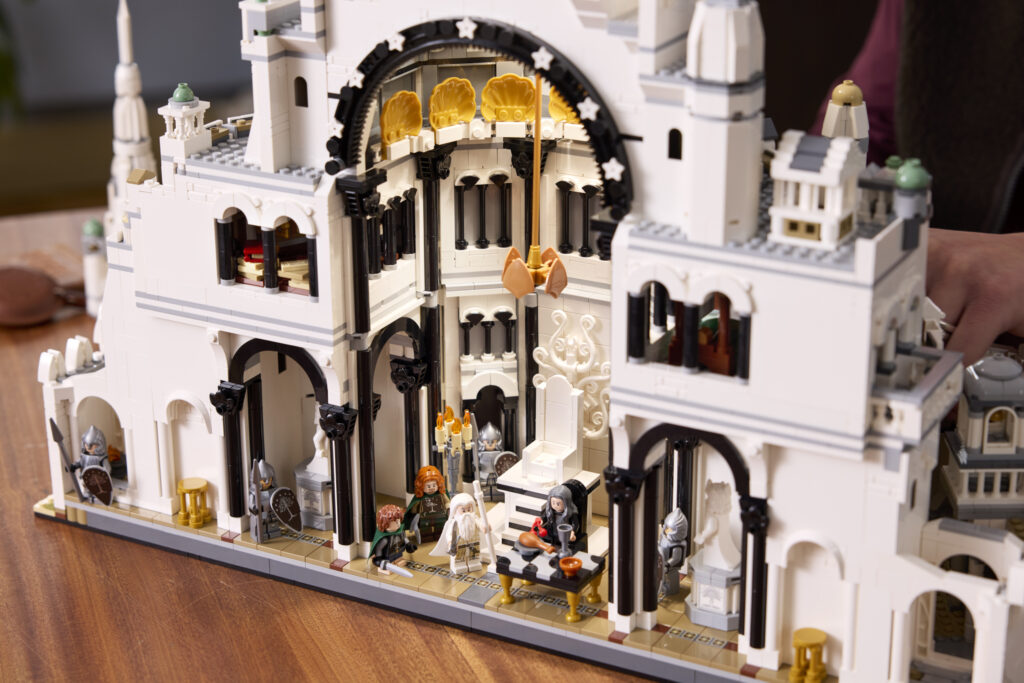
FZ: The LEGO Icons line has refined this hybrid approach across several models, and Minas Tirith is one of the most ambitious examples we’ve created. The interior spaces were chosen based on a combination of their significance to the story and how well they translate into a three-dimensional LEGO build. The throne room was a natural choice, as it delivers both an iconic moment from the films and a rewarding building experience. When it came to the LEGO Minifigures, our goal was to include the characters that best complement the key locations and scenes represented in the model. As with any LEGO set, there are more characters and moments from the story than can fit into a single build, so we focused on creating a cohesive experience that balances display, storytelling and the building journey.
Secrets to be found…
OneRing: To the extent you can tell us about them, are there any Easter eggs that you’ve hidden within this set that you think will bring particular joy to Middle-earth LEGO set collectors?
FZ: There are a few, and I’ll be deliberately vague because I want people to find them. What I’ll say is that we were very conscious of the broader Lord of the Rings fan community. Fans who know not just the films but the books, and who will appreciate references that go beyond what’s on screen. There’s at least one detail in the set that I expect to generate some great discussion online when someone spots it.
OneRing: To what degree did either Warner Bros./New Line or the Tolkien Estate have an influence on the design? Did you have to go through any particular hurdles or hoops to create what you sought to deliver in this Minas Tirith set?
FZ: The IP Partner relationship is genuinely collaborative rather than restrictive. The Warner Bros. Discovery team are deeply knowledgeable about this IP and they care about it. The review process was collaborative throughout. Both teams shared a commitment to faithfully capturing the look and feel of Minas Tirith, and those discussions helped refine the final model.
Part of the fandom
OneRing: What has been your own experience with the writings of JRR Tolkien and the world of Middle-earth? How did your familiarity with The Lord of the Rings books or films influence your design process and the ultimate Minas Tirith end product?
FZ: As a fan myself, I wanted the model to capture the same sense of awe I felt the first time I saw Minas Tirith on screen. Throughout the design process, our goal was to stay as faithful as possible to the film reference and recreate the iconic look of the city in LEGO form. For this set, our primary visual reference was the film trilogy, so the model reflects that interpretation of Minas Tirith. For example, that’s why the outer walls are light in colour instead of black. Ultimately, I hope the model gives fans the same feeling of wonder and excitement they experienced when they first saw Minas Tirith in The Lord of the Rings films.
OneRing: If budget and set size were not a constraint, what would you have created in comparison to the Minas Tirith set that is being released?
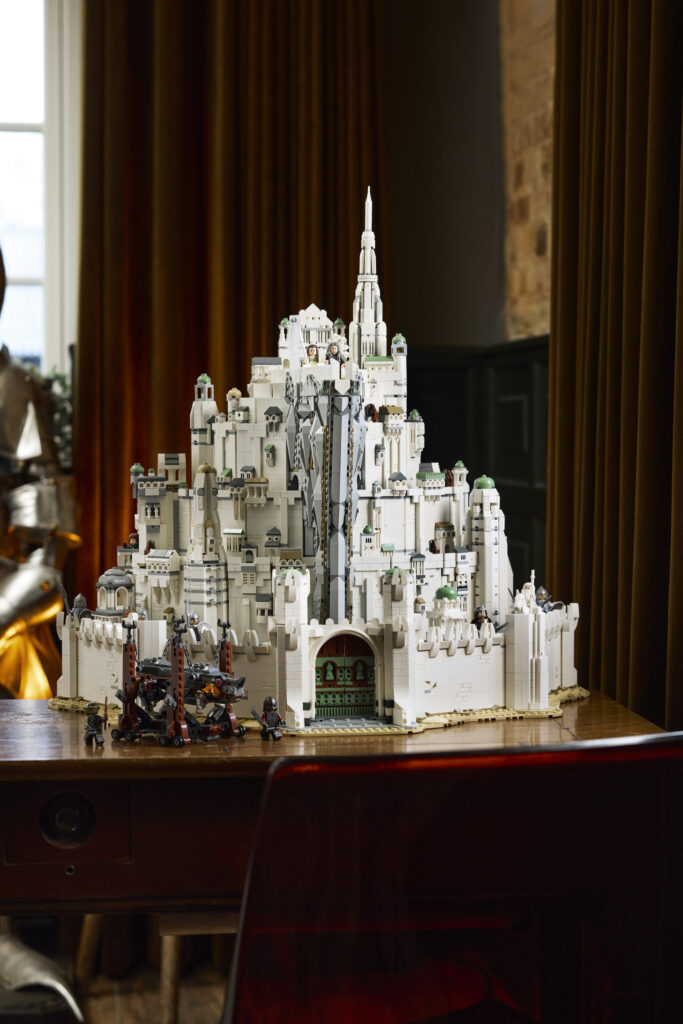
FZ: One of the fun things about questions like this is imagining what’s possible without real-world constraints. A full Siege of Minas Tirith diorama would certainly be an incredible display, but the released model captures the story and build experience we most wanted to bring to fans.
What might be next?
OneRing: We’ve seen a large number of Middle-earth LEGO creations over the years. Do you have a personal favourite (besides Minas Tirith, obviously)? Is there a new Middle-earth design still out there that you’d like to take on?
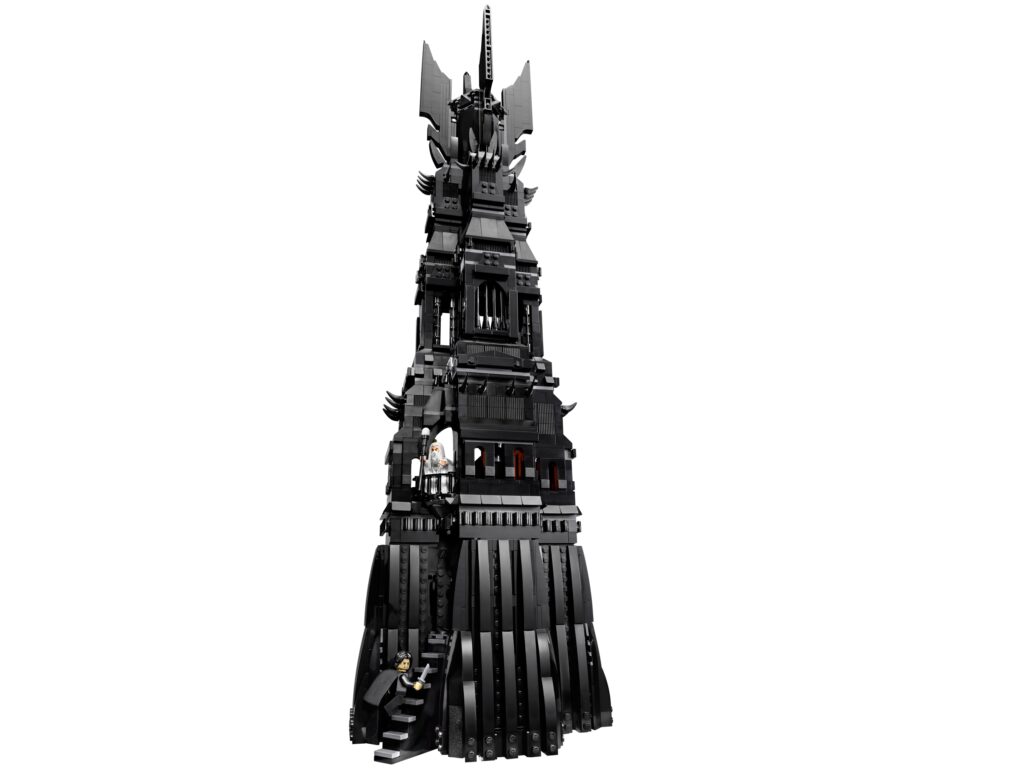
FZ: The LEGO Lord of the Rings: The Tower of Orthanc holds a special place for me. It was one of the sets that showed what was possible with LEGO bricks at that scale, and it’s aged remarkably well.
Middle-earth offers an incredible variety of locations and architectural styles, making it a particularly inspiring world to design within. As a fan, there are many memorable locations whose architecture is fascinating to imagine recreating in LEGO bricks.
OneRing: What have been some of the other LEGO sets that you’ve designed that are your personal favourites? How long have you been designing such sets?
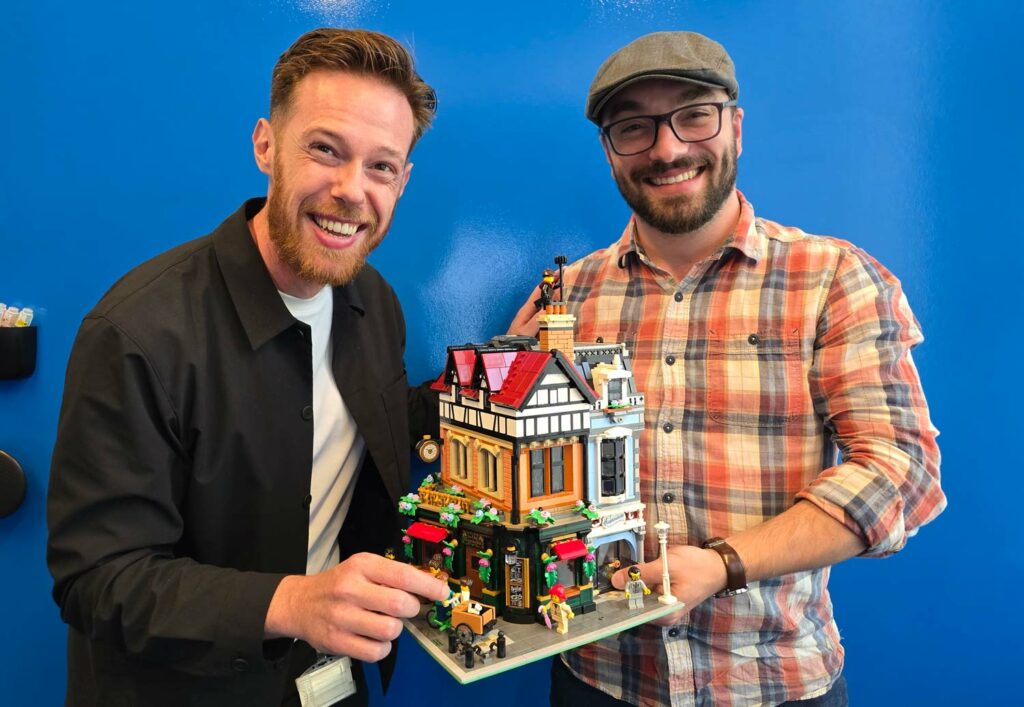
FZ: One of my personal favourite sets is the Modular Tudor Corner. It was the second set I worked on, and I have a lot of fond memories of that project. I particularly enjoyed translating the unique Tudor-style architecture into LEGO building techniques. I’ve been designing LEGO sets for more than three years now, and one thing that always surprises people is how long these projects take. Large display models like Minas Tirith can take many months to design, with a lot of iteration and fine-tuning to get both the look and the building experience just right.
OneRing: Given the growth of third-party lighting kits for LEGO models, do you end up including design features that will play to those possible lighting sets? Is that the case with this Minas Tirith set?
FZ: At the LEGO Group, we design first and foremost around the building experience – how the model comes together. How each section of the set reveals itself, how the finished structure feels in your hands whilst you’re building and how it looks on display. We wanted the spaces to feel rich and dimensional, not just visually from the outside, but as places you enjoy constructing and exploring throughout the build. While we don’t design around third-party products, those choices naturally create areas that builders may choose to personalise their own may. I’m excited to see how LEGO builders make it their own.
Many thanks to François Zapf for taking the time to field our questions – even enigmatically! We look forward to whatever you may be designing next.
